
Picking
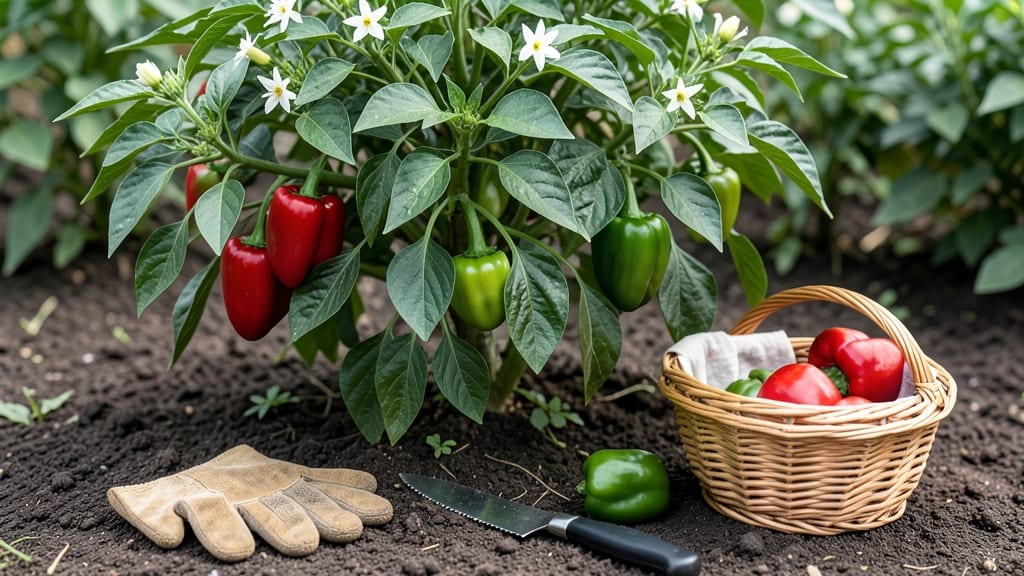
To pick bell peppers from your garden at the perfect moment means catching them when they’re sweet, crisp, and packed with flavor—not too soon, and never too late.
Bell peppers are a gardener’s pride—but picking them too early or too late can mean the difference between a sweet, vibrant harvest and a bland, underripe mess. Timing is everything, and color isn’t the only clue you need to master.
Most gardeners focus on color, but ripeness is about size, firmness, and even the way the pepper separates from the plant. A pepper that’s too small or too hard will lack flavor, while one left too long on the vine risks becoming bitter or mealy.
In this guide, I’ll break down the exact signs to watch for—from the ideal green to red stages to how temperature and frost risk can shift your harvest window.
You’ll learn how to check ripeness like a pro and avoid the most common mistakes that turn perfect peppers into disappointing snacks.
Bell pepper ripeness by color: the definitive guide to harvest timing
Bell peppers are one of the most rewarding crops to grow, but knowing when to pick bell peppers from your garden can make or break your harvest. The color of bell peppers is your first clue, but maturity, size, and climate all play critical roles.
A green bell pepper harvested early is perfect for pickling, while waiting for red, yellow, or orange peppers delivers sweeter, more flavorful results.
Understanding the bell pepper ripening stages helps you avoid bitter, underripe peppers or overripe, mushy ones. In warmer climates, peppers ripen faster—sometimes in as little as 60-70 days—while cooler regions may need 90 days or more.
Let’s break down the exact harvest timing for bell peppers by color and what to watch for beyond just hue.
| Color Stage | Days to Ripen | Size (inches) | Firmness | Best For | Climate Note |
|---|---|---|---|---|---|
| Green | 60-75 days | 3-4 inches | Firm (hard) | Pickling, stir-fries | Harvest early in cool climates |
| Yellow | 75-85 days | 3.5-4.5 inches | Slightly yielding | Salads, roasting | Warmer climates ripen faster |
| Orange | 80-90 days | 4-5 inches | Soft but not mushy | Stuffing, grilling | Transition stage |
| Red | 90-120 days | 4-6 inches | Yielding skin | Fresh eating, sweetest flavor | Longest ripening time |
Green bell peppers are the most common early harvest stage and can be picked as soon as they reach 3-4 inches in size. These peppers are crisp and slightly tart, ideal for pickling or quick cooking.
If you leave them on the plant, they’ll continue ripening through yellow, orange, and finally red, with each stage offering a sweeter, more complex flavor profile.
The yellow bell pepper stage typically appears 75-85 days after planting, signaling the pepper is transitioning from tart to slightly sweet. This is a great time to harvest if you’re using them in salads or light dishes.
In hot climates, this stage may happen faster—sometimes within 60 days—so keep an eye on your plants.
Orange bell peppers are often overlooked but pack a bold, sweet flavor that’s perfect for stuffing or grilling. They usually appear 80-90 days into the growing season. If your peppers are staying green longer than expected, check for cool temperatures or insufficient sunlight, both of which can delay ripening.
Finally, red bell peppers are the crowning glory of your harvest, offering the sweetest, most complex flavor. They take the longest to ripen—90-120 days—but are worth the wait.
In cooler climates, red peppers may never fully ripen on the vine, so consider harvesting them green and ripening them indoors with a warm, sunny windowsill.
Climate plays a huge role in bell pepper ripening speed. In USDA Zones 9-11, peppers may ripen in as little as 60 days, while in Zones 5-7, they might need 100+ days.
If frost threatens before your peppers ripen, harvest them green and store them in a cool, dark place to slow further ripening.
Pro tip: Always pick bell peppers in the morning when they’re cool and crisp. Use a sharp pair of pruning shears to avoid damaging the plant, and leave 1/4 inch of stem attached to extend shelf life.
If you miss the harvest window, don’t worry—peppers can last 1-2 weeks in the fridge if stored properly.
🌶️
5 Key signs your bell peppers are ready to harvest (beyond color)
Color isn’t the only indicator that your bell peppers are ready for harvest. In fact, relying solely on color can lead to underripe or overripe peppers. I’ve learned that size, firmness, stem separation, and flavor are just as important—and often more reliable—signs.
These five key indicators will help you determine the perfect moment to pick your peppers for the best flavor and texture.
If you’ve ever wondered why some peppers stay green or develop uneven colors, the answer often lies in these subtle cues. For example, temperature fluctuations or nutrient deficiencies can delay ripening, but checking these signs will give you clarity.
Let’s dive into the practical steps to ensure you’re harvesting at peak ripeness every time.
- 1. Full Size: Peppers should reach 3-4 inches in diameter for most varieties. Measure with your thumb—if it fits snugly, it’s likely ready.
- 2. Firm but Yielding: Gently press the pepper. It should feel firm but not hard, with a slight give—like a ripe avocado. Overripe peppers feel soft or mushy.
- 3. Stem Separation: Twist the pepper gently at the stem. If it snaps cleanly or separates easily, it’s ready. A stubborn stem means it needs more time.
- 4. Deep, Consistent Color: While color varies by variety, the pepper should have a rich, even hue—no streaks or patchiness. Uneven colors often signal stress or uneven ripening.
- 5. Flavor Test: Cut one open and taste! A ripe pepper should be sweet and crisp, not bitter or watery. If it’s bland, it’s not ready yet.
One common mistake I see is harvesting peppers too late because they’re still green. Some varieties, like green bell peppers, are intentionally picked before full ripeness for pickling or cooking.
However, if you’re growing sweet or colorful varieties, wait until the pepper shows all five signs above. For example, red bell peppers develop their signature sweetness only after turning fully red.
If your peppers are staying green despite warm weather, check for nutrient imbalances or shade issues. A balanced fertilizer with equal parts nitrogen, phosphorus, and potassium can encourage ripening.
Also, ensure your plants get at least 6-8 hours of sunlight daily. In cooler climates, extending the growing season with row covers can help peppers mature fully.
For uneven colors, like peppers that turn yellow or orange but have green patches, it’s often due to temperature swings. Harvest these peppers when they’re as ripe as possible—they’ll still be flavorful, even if not perfectly uniform.
If you’re in a hurry, prioritize peppers that meet at least three of the five signs; they’ll be ready soon.
Pro tip: Always harvest in the morning when peppers are cool and crisp. Use a sharp pair of pruning shears or your hands to avoid damaging the plant.
Cutting the stem leaves a smaller wound, reducing the risk of disease. With these signs in mind, you’ll never second-guess when to pick your bell peppers again! 🌶️