
Picking
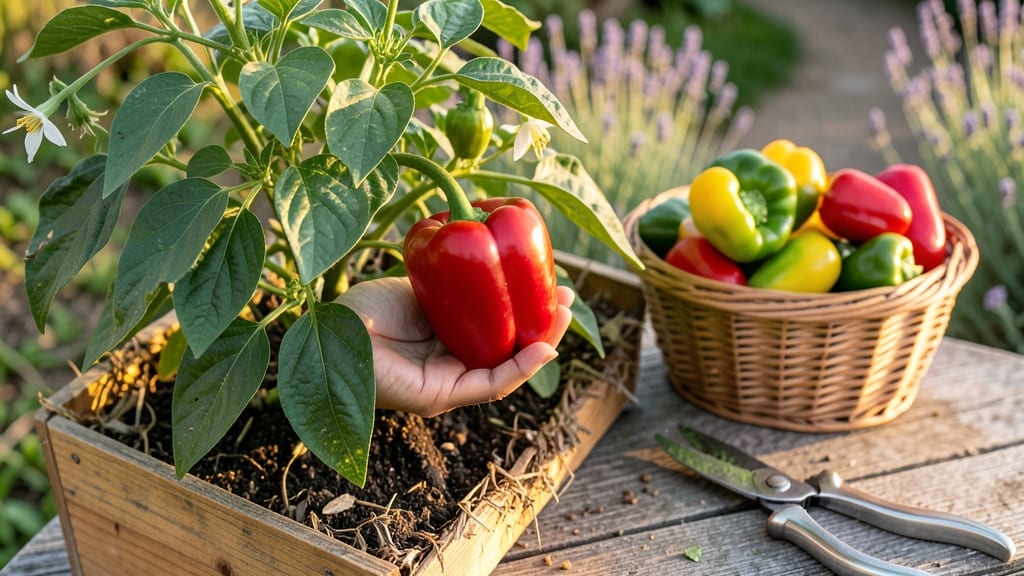
To pick peppers from your garden at the perfect moment means the difference between a sweet, crisp bite and a meal of regret — because timing is everything.
Harvesting peppers at the right time determines whether your garden bounty tastes sweet, spicy, or downright bitter. One week too early and they’re tough and underdeveloped; one week too late and they’re mealy or overripe. The key? Learning to read the plant’s cues before the color even changes.
In this guide, I’ll break down the exact stages to watch for — from firmness and size to subtle shifts in color and gloss — so you never miss the window.
Whether you’re growing bell peppers 🌶️ or fiery jalapeños, these signs will tell you precisely when to snip for peak flavor.
You’ll also discover how climate affects ripening, how to store your harvest for maximum freshness, and the one trick that keeps peppers producing longer. Ready to turn your garden into a flavor factory?
Peppers by color: exact harvest times for sweet vs. hot varieties
Harvesting peppers at the right color stage transforms your garden’s bitter green pods into sweet red gems or fiery hot peppers. The color of your pepper isn’t just about aesthetics—it’s a direct indicator of flavor maturity and heat development.
For example, a green bell pepper picked too early will taste sharp, while a fully ripe red jalapeño delivers that signature sweetness. Understanding these color cues ensures you’re harvesting at peak flavor and potency.
Sweet peppers like bell peppers and poblano peppers are often harvested at their mature green stage for immediate use, but their sugar content peaks when they ripen to red, yellow, or orange.
Meanwhile, hot peppers such as jalapeños and habaneros develop their capsaicin heat as they ripen, so waiting for the right color means a more intense kick. Let’s break down the exact timing for each color stage and how it affects your harvest.
🌶️ Visual Element: Summary Table
For bell peppers, the green stage is often harvested for immediate use, but if you wait for them to turn red, yellow, or orange, you’ll unlock a sweeter, more complex flavor.
For example, a red bell pepper has up to 10 times more sugar than its green counterpart. This shift happens because the plant converts starches into sugars as the pepper matures.
If you’re growing jalapeños, harvesting them green gives you a crisp, milder pepper, but leaving them on the plant until they turn red intensifies their heat and sweetness.
Hot peppers like habaneros and cayenne peppers are a different story. Their capsaicin levels (the compound that makes them hot) increase as they ripen, so waiting for the full color change ensures maximum heat.
A green habanero might have 100,000 Scoville units, but a ripe orange or red habanero can hit 350,000+ Scoville units. That’s a threefold increase in spiciness—so if you’re sensitive to heat, be cautious!
5 Key signs your peppers are ready for harvesting (before color changes)
Peppers don’t always announce their readiness with vibrant colors—sometimes the best indicators hide in subtle physical cues like size, texture, and stem changes.
I’ve learned that picking peppers too early or too late can ruin their flavor, so I always check these 5 key signs before reaching for my pruning shears. These clues work for bell peppers, jalapeños, and even habaneros, regardless of their final color.
Many gardeners wait for peppers to turn red, but some varieties—like green bell peppers or yellow banana peppers—never change color. That’s why I focus on maturity signals that appear before color shifts, ensuring I harvest at peak sweetness or heat.
Missing these signs often means peppers become tough, seedy, or lose their signature kick.
-
1. Full Size for the Variety
Measure against mature size expectations: bell peppers (3–6"), jalapeños (2–4"), or habaneros (1–3"). Under-sized peppers won’t develop full flavor. -
2. Glossy, Firm Skin
Run your thumb over the pepper—it should feel smooth and slightly waxy, not dull or leathery. Dull skin signals overripeness. -
3. Stem Separation
Gently twist the pepper at the stem. If it snaps cleanly (not pulls away), it’s ready. A stubborn stem means wait a few days. -
4. Subtle Color Deepening
Look for uniform darkening (e.g., deeper green, richer yellow) before full color. Uneven patches mean it’s not mature yet. -
5. Resistance to Pressure
Press gently—ripe peppers yield slightly but don’t dent. Soft spots or wrinkles mean it’s past its prime.
I once missed the stem separation sign on my jalapeños and ended up with peppers so spicy they burned my tongue for hours. Now, I double-check this cue before color changes, especially in cooler climates where peppers ripen slower.
Pro tip: Harvest in the morning after dew dries—peppers are firmer and less prone to bruising.
Overripe peppers lose flavor and texture, while underripe ones stay bland or overly spicy. For example, green bell peppers should be harvested when firm and glossy, even if they’re not red.
I’ve also noticed that hot peppers like habaneros develop a faint sheen when ready—ignore this, and you’ll end up with peppers that are too fiery for most dishes.
If your peppers show wrinkled skin or soft spots, they’ve overstayed their welcome on the plant. These signs appear 3–5 days before color fully develops, so act fast.
For storage, I place freshly picked peppers in a paper bag in the fridge—this slows ripening and keeps them crisp for up to 2 weeks. 🌶️