
Picking
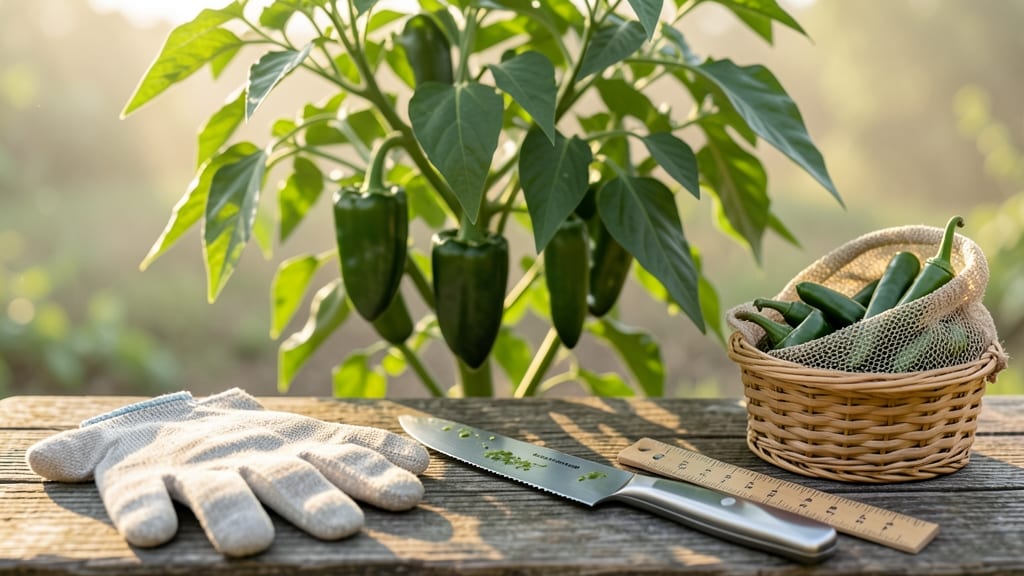
To pick jalapeños from your garden at their peak heat and flavor, watch for glossy, waxy skin and a length of 3-5 inches—that’s when the Scoville scale kicks into high gear.
Picking too early means milder peppers, while waiting too long can turn your fiery harvest into bitter disappointment. I’ve learned the hard way that timing is everything—one wrong move, and you’re left with peppers that lack the punch you crave.
This guide breaks down the exact signs of ripeness, from color shifts to texture changes, so you never miss the perfect moment. We’ll also cover whether to harvest green or let them turn red for extra heat, plus how climate affects your timing in Zone 6a.
Ready to master the art of jalapeño picking? You’ll learn how to test for ideal ripeness, avoid common mistakes, and even preserve that perfect spice long after harvest.
How to test jalapeño heat scale for optimal picking time
Timing your jalapeño harvest correctly ensures maximum heat and flavor intensity. Unlike many peppers, jalapeños offer a dual harvest window—green or red—each delivering unique spice profiles. The Scoville heat units (SHU) shift dramatically as they ripen, so knowing when to pick makes all the difference.
Jalapeños typically measure between 2,500-8,000 SHU when green but can spike to 16,000 SHU when fully red. Your goal is to balance size, color, and firmness with the heat level you desire. Green peppers are crispier, while red ones pack more capsaicin—nature’s heat compound.
Here’s the visual and tactile checklist I use to test ripeness: look for glossy, waxy skin and a slightly rounded shape. Gently squeeze—ripe peppers yield slightly but don’t feel mushy. If you’re unsure, cut one open: thick walls mean more heat, while thin walls indicate milder peppers.
🌶️ PRO TIP: Morning harvests yield the freshest peppers since they’ve had a full night to develop flavors. Always use clean pruning shears to avoid disease transmission between plants.
| Stage | Size | Color | Heat (SHU) | Texture | Best For |
|---|---|---|---|---|---|
| Green (Immature) | 2-3 inches | Dull green | 2,500-5,000 SHU | Firm, no give | Cooking (milder) |
| Green (Optimal) | 3-5 inches | Glossy green | 5,000-8,000 SHU | Firm but yields slightly | Fresh eating, pickling |
| Red (Mature) | 3-5 inches | Bright red | 8,000-16,000 SHU | Softer, slightly wrinkled | Drying, hot sauces |
| Overripe | 5+ inches | Dull red/brown | Varies (heat drops) | Mushy, cracked | Avoid (bitter, seedy) |
For maximum heat, aim to harvest when peppers are 3-5 inches long and glossy green. This stage delivers the sweet-spicy balance most gardeners crave. If you prefer hotter peppers, wait until they turn red, but monitor closely—overripe peppers lose heat and develop bitter, seedy centers.
Use a Scoville scale test at home by blending a small pepper with water and comparing it to known heat levels. For example, a Tabasco pepper (2,500-5,000 SHU) makes a great baseline. If your jalapeño burns twice as much, you’ve hit the sweet spot for fresh eating.
Climate plays a role too. In hotter regions (Zones 9-11), jalapeños ripen faster—sometimes in just 60 days. In cooler zones (6-8), they may take 90 days or longer. Always adjust your harvest window based on local weather patterns.
After picking, store jalapeños in a paper bag in the fridge for up to 2 weeks. This slows ethylene gas production, preserving heat and flavor. For long-term storage, freeze or dry them—both methods concentrate capsaicin, making them even spicier!
🌱 REMEMBER: Regular harvesting boosts production. The more you pick, the more peppers your plant will yield. And if you’re growing multiple varieties, label them—some jalapeños (like ‘Early Jalapeño’) ripen faster than others.
Common mistakes that ruin jalapeño flavor and how to avoid them
Harvesting jalapeños at the wrong stage can transform their signature fiery kick into bland, bitter disappointment. Many gardeners make avoidable mistakes by focusing only on color or size, missing key texture and firmness cues that define peak flavor.
Understanding these subtle ripeness signs ensures you enjoy jalapeños at their most potent and delicious.
One of the biggest errors is waiting too long for bright red color—a common misconception that green jalapeños are inferior. In reality, green jalapeños often pack more heat and vibrant flavor than overripe red ones.
The key lies in recognizing the perfect balance between size, gloss, and firmness before color becomes your sole guide.
⚠️ When to Pick Jalapeños from Garden
Overripe jalapeños lose heat and develop a mealy texture, while underripe ones taste sharp and grassy. Harvest when peppers reach 3-5 inches long, have a slightly waxy skin, and yield slightly when gently squeezed. Avoid picking when skin feels dull or overly firm—these are red flags for poor flavor.
Another critical mistake is harvesting jalapeños during hot afternoons when temperatures exceed 85°F (29°C). The intense heat causes peppers to soften too quickly, leading to bruising and flavor loss. Always pick in the early morning when peppers are cool and crisp, preserving their heat intensity and structural integrity.
Ignoring the Scoville heat scale is another flaw many gardeners overlook. Green jalapeños typically register between 2,500-8,000 SHU, while red ones drop to 1,000-2,000 SHU.
If you’re growing for heat, harvest when peppers are green but fully sized—this ensures maximum capsaicin concentration, the compound responsible for that signature burn.
Overcrowding on the plant also affects flavor. When jalapeños grow too close together, they compete for nutrients and sunlight, resulting in smaller, less flavorful peppers. Prune excess foliage regularly to improve air circulation and direct sunlight exposure, which enhances both sweetness and heat in your harvest.
Finally, storing freshly picked jalapeños improperly can ruin their flavor within days. Never refrigerate them until fully ripe—cold temperatures degrade capsaicin, dulling their heat. Instead, store at room temperature in a paper bag for 2-3 days to maintain peak flavor before transferring to the fridge.