
Picking
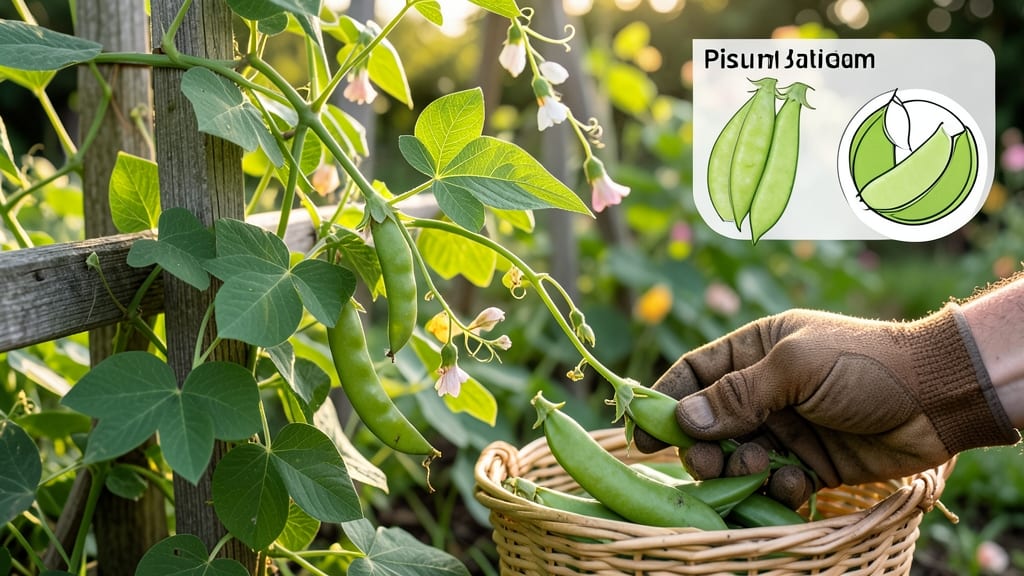
To pick peas from your garden at their sweetest, time it when pods are 2–3 inches long and bright green—any later, and they’ll turn tough and mealy.
Peas may seem simple to harvest, but timing them wrong can turn sweet, tender pods into tough, mealy disappointments—here’s how to nail it every time. One wrong day means the difference between a crisp snap and a pod so fibrous it’s barely edible.
You’ll learn the three visual cues to spot perfect peas—pod size, color, and texture—plus how often to check your plants and when to stop harvesting to keep production going. These small details make all the difference in flavor and yield.
Whether you’re growing sugar snaps, shelling peas, or snow peas, this guide breaks down the exact moments to harvest for maximum sweetness—and how to extend your season so you’re picking fresh peas for weeks.
3 Visual cues to determine perfect pea harvest timing
Harvesting peas at the right moment transforms your garden into a sweet, flavorful treasure. But wait too long, and those tender pods turn tough and mealy—ruining your hard work. The key lies in three simple visual cues: pod size, color, and texture.
Mastering these will ensure your peas are crisp, sweet, and ready for the table.
Peas are one of the few vegetables where harvest timing directly impacts flavor. Unlike tomatoes or peppers, which can ripen off the vine, peas must be picked at peak freshness.
Miss the window, and you’ll end up with woody pods that taste more like cardboard than the garden-fresh delight you crave. Let’s break down the three foolproof ways to know when your peas are ready.
🌱 Numbered Highlights: 3 Visual Cues for Perfect Pea Harvest Timing
- 1
- 2
- 3
Pro Tip: Check pods every 2-3 days during peak season. Peas mature quickly, and consistent harvesting encourages more production!
One of the biggest mistakes gardeners make is waiting too long for "bigger" peas. Larger pods often mean tougher texture and less sweetness. For example, shelling peas should have visible but undeveloped seeds—think of them like tiny green beans with a promise of peas inside.
If the seeds are plump and filling the pod, you’ve waited too long.
Color is your second best friend when harvesting peas. A bright, vibrant green indicates peak freshness, while any hint of yellow or brown means the pod is past its prime. Even a single brown spot can spread to the entire pod, so act fast if you spot these signs.
For snow peas, look for flat pods with no bulging—these are the sweetest when harvested early.
The texture test is where many gardeners trip up. A ripe pea pod should snap easily when bent, almost like a fresh green bean. If it bends without resistance, it’s underripe and still developing.
On the flip side, if it feels tough or leathery, it’s overripe and will taste bland. This test takes just seconds but saves you from disappointment at dinner time.
Don’t forget that pea varieties have different harvest windows. Shelling peas, like Lincoln or Alderman, are ready when pods are 2-3 inches long and firm.
Sugar snap peas, such as Sugar Ann or Super Sugar Snap, can be harvested when pods are 3-4 inches long and still crisp. Meanwhile, snow peas like Oregon Sugar Pod should be picked when pods are 2-3 inches long and flat.
Knowing your variety ensures you’re picking at the perfect moment.
Weather can also play a role in harvest timing. Cool, cloudy days slow pea maturation, so pods may take longer to reach harvest size. In contrast, hot, sunny weather speeds things up, meaning you’ll need to check your plants more frequently.
If you notice pods maturing faster than usual, increase your harvest frequency to avoid overripe peas.
Once you’ve mastered these three cues, harvesting peas becomes second nature. Grab a basket, scan your plants for bright green, 2-3 inch pods, and snap them off cleanly at the stem.
The more you harvest, the more your pea plants will produce—it’s like giving them a little nudge to keep going. Just remember: consistency is key. Regular picking encourages continuous flowering and pod development.
If you’re new to growing peas, start small with a 5-foot trellis or cage to support your plants. This makes harvesting easier and keeps pods off the ground, where they’re less likely to rot or attract pests.
And always use clean, sharp scissors or fingers to avoid damaging the plant. A gentle twist or snip is all it takes!
With these visual cues in your toolkit, you’ll never miss the perfect pea harvest again. Soon, you’ll be enjoying crisp, sweet peas straight from your garden, knowing you’ve timed it just right. Happy harvesting! 🌱✂️💧
Pea variety matters: harvest times for shelling vs. snap peas
Not all peas are created equal when it comes to harvest timing. Shelling peas, snap peas, and snow peas each have distinct sweetness peaks and texture windows.
Picking them too early means bland flavors, while waiting too long turns pods tough and stringy. Let’s break down the exact moments to harvest each type for peak quality.
The key difference lies in their maturity stages. Shelling peas (like 'Green Arrow') should be harvested when pods are 2-2.5 inches long and seeds are plump but still soft—this ensures tender peas inside. Snap peas (like 'Sugar Snap') are ready when pods are 3-4 inches long and crisp, while snow peas (like 'Oregon Sugar Pod') need to be 2-3 inches long with flat, tender pods.
| Pea Type | Harvest Window | Pod Size | Texture Goal | Days to Harvest |
|---|---|---|---|---|
| Shelling Peas | Pods plump, seeds soft | 2-2.5 inches | Tender, sweet peas inside | 60-70 days |
| Snap Peas | Crisp, slightly curved | 3-4 inches | Crunchy, sweet pods | 55-65 days |
| Snow Peas | Flat, bright green | 2-3 inches | Tender, edible pods | 60-75 days |
For shelling peas, wait until the pods are bright green and firm—if you can see the peas inside but they’re still small, that’s your cue. Overlooking this means woody pods and starchy peas.
I once harvested a batch too late, and the peas inside were almost as big as the pods themselves—total flavor failure!
With snap peas, the crunch factor is everything. Bend a pod—if it snaps cleanly, it’s ready. If it bends without snapping, wait another 2-3 days. These peas are best eaten raw or lightly steamed to preserve their crisp texture.
Pro tip: Harvest in the morning when pods are coolest for maximum crispness.
Snow peas are the most delicate timing-wise. Their pods should be flat and bright green, with no bulging seeds. If the pods start to thicken or turn yellow, they’ve passed their prime. I’ve found that harvesting every 2-3 days keeps snow peas producing longer, preventing over-maturity.
Remember, weather affects timing. Cool spring days slow growth, so peas may take longer to mature. Conversely, hot summer heat can rush maturity—check pods daily during heatwaves. The goal is always to harvest when pods are at their peak sweetness, not when they’re convenient for you.