
Picking
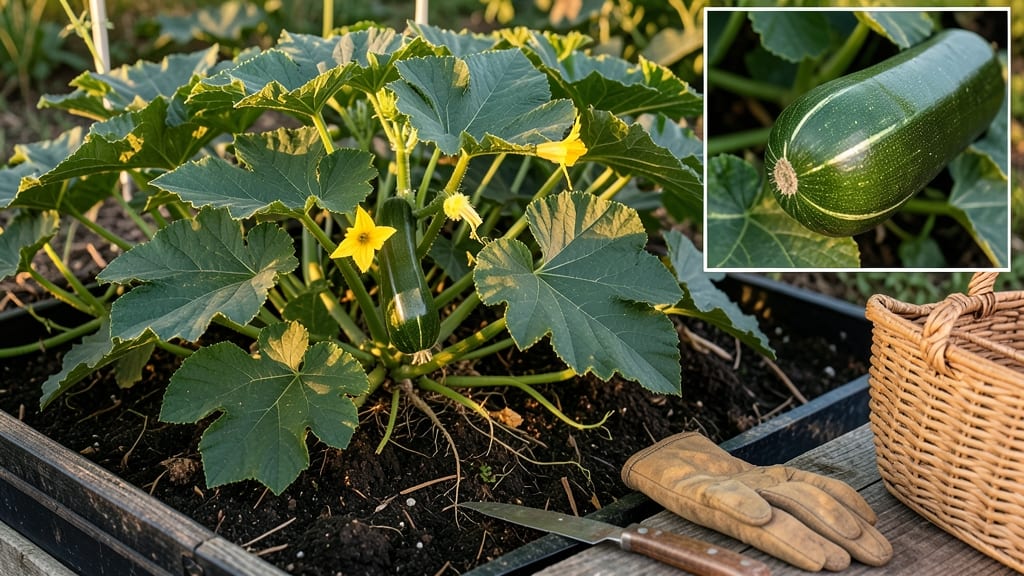
When to pick zucchini from your garden means the difference between a tender, flavorful harvest and a tough, seedy disappointment—and it all starts with knowing when that 🎃 is ready.
Picture this: you’ve been checking your plants daily, but now they’re exploding with growth, and suddenly your garden looks like a jungle. One day you’re picking dinner, the next you’re wrestling with overgrown monsters. That’s why timing matters so much—and it’s easier than you think.
Most gardeners assume zucchini are ready when they’re big, but size alone isn’t the full story. The secret lies in three simple tactile tests: skin firmness, stem separation, and color depth. Master these, and you’ll never waste a harvest again.
In this guide, I’ll walk you through exactly how to spot the perfect zucchini, avoid common mistakes, and even store your picks to keep them fresh longer. Ready to turn your garden into a zero-waste zucchini powerhouse?
3 Tactile tests to determine when to pick zucchini
Picking zucchini at the right moment transforms your garden into a bountiful harvest instead of a tangled mess. The key lies in your hands—literally! These 3 tactile tests let you feel, not guess, when your zucchini are ready.
Whether you're a seasoned gardener or a first-timer, these methods ensure you harvest at peak flavor and texture, avoiding the bitter disappointment of overripe squash.
Zucchini ripens quickly, and missing the window means tough, seedy produce. Unlike color alone—which can vary by variety—these touch-based tests give you consistent, reliable cues. The best part?
You don’t need fancy tools, just your fingers and a little practice. Let’s dive into the foolproof tricks that’ll have you harvesting like a pro in no time.
⚠️ NON-NEGOTIABLE: Skipping these tests risks wasting your harvest. Overripe zucchini turn woody, and underripe ones lack flavor. These methods cut waste to zero.
- The Thumbprint Test: Press your thumbnail into the zucchini’s skin. If it springs back, it’s too early. If it leaves a dent, it’s ready!
- The Stem Separation Trick: Gently twist the zucchini at its stem. If it snaps cleanly, harvest now. If the stem resists, wait 1-2 days.
- The Size Check: Measure 6-8 inches from blossom end to tip. Smaller? Wait. Larger? You’ve missed the boat—pick it fast to avoid "zucchini explosion" (yes, it’s a real thing!).
The thumbprint test is my go-to because it’s instant feedback. Run your thumb firmly across the zucchini’s skin. If it bounces back, the squash needs more time.
If your thumbnail leaves a temporary indentation, that’s your cue to grab your pruners. This test works even on dark-skinned varieties where color changes are subtle.
Next, try the stem separation trick for a foolproof second opinion. Hold the zucchini’s stem between your thumb and forefinger, then twist gently. A clean break means it’s ready to harvest.
If the stem bends but doesn’t snap, give it another day. This method prevents overripe squash from sneaking up on you—literally!
Don’t overlook the size check, especially for first-time growers. Zucchini should be 6-8 inches long when harvested. Any shorter, and they’ll be bland; any longer, and they’ll turn woody.
Pro tip: Use a ruler or your hand (palm to fingertips = ~6 inches) for a quick gauge while you’re out in the garden.
For bush varieties, like 'Eight Ball,' harvest when they’re 4-6 inches—smaller is better for these compact plants. For vining types, like 'Black Beauty,' stick to the 6-8 inch rule. Size matters because larger zucchini develop more seeds and tougher skin, which affects both flavor and texture.
Timing is everything, but so is frequency. Check your plants every 2-3 days during peak season (July-August). Zucchini grow fast—sometimes overnight!—so don’t let them outpace you. Set a reminder or make it a habit to inspect your garden after morning watering when the squash is at its firmest.
What about color? While deep green is ideal, don’t rely on it alone. Some varieties stay green even when overripe. Pair color with these tactile tests for accuracy. For example, a zucchini with yellowing blossom ends is often ready, but always confirm with the thumbprint test to avoid surprises.
Remember: Harvesting encourages more production. The more you pick, the more your zucchini plant will reward you. Skip this step, and you’ll end up with a garden full of giant squash that’s tough to use—unless you’re planning to carve them into Halloween decorations!
Now that you’ve mastered these tests, you’ll never second-guess when to pick again. Happy harvesting—and enjoy those crisp, flavorful zucchini all season long! 🌱
Zucchini size and color guide: what’s too early vs. too late?
Knowing when to harvest your zucchini is all about balancing size, color, and seed development. Picking too early means bland, watery squash, while waiting too long leads to tough, seedy, and woody textures. Let’s break down the visual and tactile clues to nail that perfect harvest window.
First, focus on the length of your zucchini. The ideal harvest size ranges from 6 to 8 inches. Anything smaller than 6 inches is usually underripe, with thin skin and a milky interior that lacks flavor.
On the other hand, zucchini over 8 inches often develop hard seeds and a fibrous texture, making them less enjoyable to eat.
Next, examine the skin color. Mature zucchini should have a deep, consistent green hue. If the skin looks pale or mottled, it’s likely underripe. Overripe zucchini may develop a yellowing or dull appearance, especially near the stem end, which is a sign it’s past its prime.
Here’s a quick reference to help you decide when to pick your zucchini:
| Stage | Size | Color | Seed Development | Texture | Harvest Time |
|---|---|---|---|---|---|
| Too Early | Under 6 inches | Pale green | Soft, undeveloped | Thin, soft skin | Avoid |
| Ideal | 6-8 inches | Deep green | Small, soft seeds | Firm, slightly glossy | Harvest now! |
| Too Late | Over 8 inches | Dull or yellowing | Hard, developed | Thick, woody | Save for cooking |
Don’t forget to check the stem for readiness. When your zucchini is ripe, the stem should separate easily from the vine with a slight twist. If it resists, it’s not ready yet. Additionally, gently press your thumbnail into the skin—if it leaves a slight indentation, it’s perfect for picking.
Overripe zucchini can quickly become woody and bitter, so don’t let them linger on the vine. If you’ve missed the ideal window, larger zucchini can still be used in soups or baked dishes, but they won’t have the same tender texture as fresh, young squash.
By keeping an eye on these size, color, and texture clues, you’ll ensure a steady supply of delicious, tender zucchini all season long. Happy harvesting!