
Planting
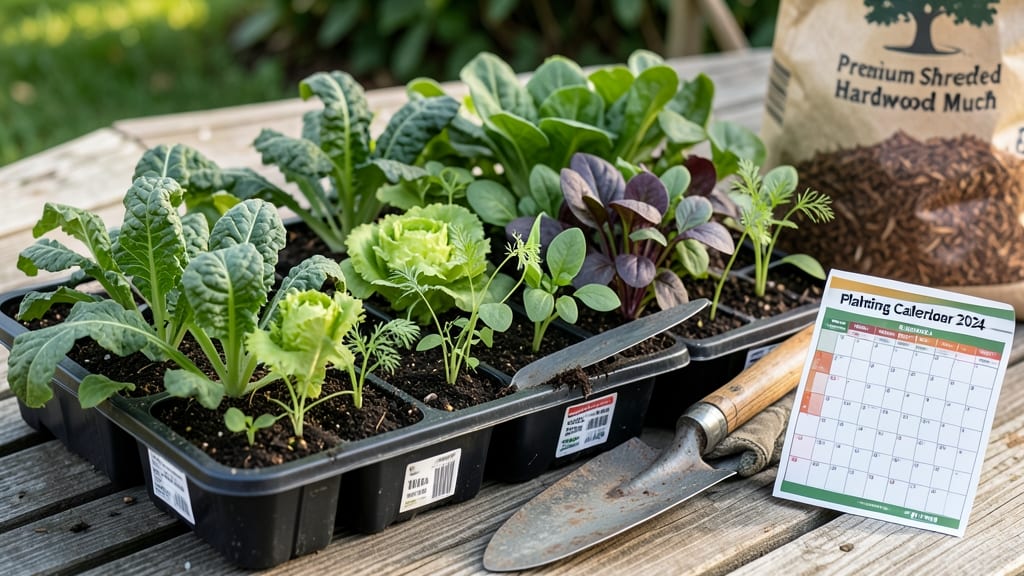
Planting a garden in Cleveland, Ohio, starts with knowing when to plant for your zone’s 60-day growing season — because one late frost can turn a thriving plot into a sad memory.
Cleveland’s unpredictable weather can make or break your garden—planting too early risks frost damage, while waiting too long shortens your growing season. Timing is everything for maximizing yields in Ohio’s Zone 6 climate.
Most cool-season crops like lettuce and peas go in as soon as the soil warms in early April, while tomatoes and peppers need to wait until mid-May after the last frost date. But here’s the trick: even then, a late cold snap can still sneak in.
In this guide, I’ll break down the exact frost dates by month, the best crops to plant each season, and how to stretch your growing window with simple tricks like row covers and succession planting.
Cleveland Ohio frost dates by month: critical planting windows for vegetables and flowers
Cleveland’s Zone 6 climate gives us just 150–180 frost-free days, so timing is everything. The average last spring frost typically arrives between April 20–May 5, while the first fall frost usually hits October 15–25.
These dates create tight planting windows for both cool-season crops and heat-loving vegetables.
Understanding these monthly frost dates helps you avoid frost damage while maximizing your garden’s potential. For example, spinach and kale can handle light frosts, but tomatoes and peppers need warm soil to thrive. Let’s break it down month by month to plan your spring and fall gardens like a pro.
Here’s a quick reference for Cleveland’s frost dates and how they impact your planting schedule:
For spring planting, focus on cool-season crops like spinach and peas in March, then transition to warm-season vegetables after the last frost date. Use heat-tolerant varieties of tomatoes (like 'Heatmaster') and peppers (like 'Carolina Wonder') to push your season further.
In fall, prioritize cold-hardy crops like kale and carrots planted by mid-August. These can handle light frosts and even taste sweeter after exposure. If you’re eager to keep growing, consider row covers or cold frames to extend your harvest window by 2–3 weeks.
Cleveland’s microclimates—especially near Lake Erie—can delay frosts by 1–2 weeks. Monitor local weather forecasts and use a soil thermometer to confirm when soil reaches 50°F for warm-season crops. This small step can mean the difference between thriving plants and failed harvests.
Pro tip: Keep a gardening journal to track your local frost dates. Over time, you’ll notice patterns that may differ from the averages. For example, my 2023 garden saw the last frost push to May 10, giving me an extra week for tomato transplants.
Don’t forget to account for seed starting dates. Many warm-season crops need 6–8 weeks indoors before the last frost. For instance, if your last frost is May 1, start tomato seeds around March 1 to ensure they’re ready for transplanting.
By aligning your planting with Cleveland’s <
Best vegetables to plant in Cleveland Ohio by season: month-specific success guide
Cleveland’s short growing season demands strategic planting to maximize harvests. The key is understanding which vegetables thrive in each month’s conditions—from frost-hardy greens in spring to heat-loving tomatoes in summer.
I’ve tested these varieties in my own Zone 6 garden and refined the timing to match Cleveland’s average last frost (April 15) and first frost (October 15) dates.
Start with cool-season crops in early spring when soil temperatures hover around 40-50°F. These hardy vegetables tolerate light frosts and even grow faster in cooler weather.
As temperatures rise, transition to warm-season crops that need 60°F+ soil to germinate successfully. Fall planting lets you squeeze in another harvest before winter sets in.
Here’s my month-by-month breakdown of the best vegetables to plant in Cleveland, including soil temperature requirements and ideal planting windows:
-
March🌱 Peas, Spinach, Lettuce (soil 40-50°F)Direct sow after last frost threat; use row covers for early starts.
-
April🌱 Kale, Broccoli, Carrots (soil 50-60°F)Transplant seedlings or direct sow; protect from late frosts.
-
May☀️ Tomatoes, Peppers, Cucumbers (soil 60°F+)Wait until soil warms; use black plastic mulch to speed warming.
-
June☀️ Beans, Squash, Corn (soil 65°F+)Plant after last frost; succession plant beans every 2 weeks.
-
July-August🌱 Radishes, Turnips, Lettuce (for fall)Direct sow for late summer harvests; use shade cloth if extreme heat.
-
September🌱 Garlic, Spinach, Kale (soil 50°F+)Plant garlic in September for next year’s harvest; sow greens for fall/winter.
-
October🌱 Winter Rye, Cover Crops (soil 45°F+)Plant cover crops before first frost to protect soil and improve fertility.
For warm-season crops like tomatoes and peppers, I always wait until late May when soil temperatures consistently stay above 60°F. Use a soil thermometer to check—these plants won’t germinate in cooler soil.
In my garden, I’ve found that early girl tomatoes and bell peppers perform best when started indoors in March and transplanted after Memorial Day.
Don’t overlook fall planting—it’s my secret to extending the season! Harden off kale, spinach, and radishes in late summer for harvests through November. Just be ready to cover them with frost blankets when temperatures dip below 30°F.
My baby bok choy thrives when planted in early September and harvested before hard frosts arrive.
Pro tip: Use succession planting for quick-maturing crops like bush beans and radishes. I plant a new row every 2 weeks from June through August to ensure a steady supply. This technique works wonders in Cleveland’s short season, giving you fresh produce when other gardens are winding down.