
Planting
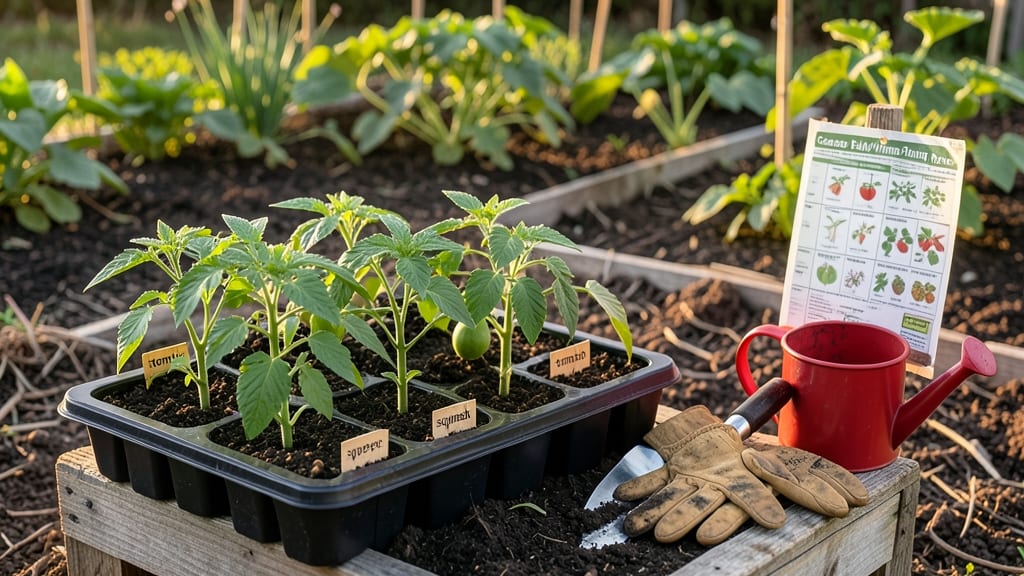
To plant a garden in Georgia means timing your crops to dodge late frosts and scorching heat—starting 2-3 weeks after your last frost date (mid-March for most regions) is the golden rule.
Georgia’s long, hot growing season means you can enjoy fresh produce year-round—but timing your plantings wrong could mean wilting before harvest. Avoid the guesswork and master the perfect schedule for heat-tolerant crops that thrive in Georgia’s climate.
Cool-season veggies like broccoli and lettuce go in February or early March, while tomatoes, peppers, and okra wait until April or May when soil warms. The key is knowing your microclimate—urban areas heat up faster than rural spots, so adjust accordingly.
Below, I break down exact planting windows by crop, frost-free zone strategies, and how to stretch your harvest into fall without risking frost damage.
Georgia’s frost-free planting zones & heat-tolerant vegetable timeline
Georgia’s USDA planting zones 7a-8b create a near-perfect climate for heat-loving vegetables like okra, sweet potatoes, and peppers. Unlike northern states, you can plant year-round with proper timing, avoiding the late-spring frost risks that often hit in March.
The key? Understanding your microclimate—whether you’re in the coastal humidity of Savannah or the warmer Piedmont of Atlanta.
Most of Georgia enjoys 200-270 frost-free days, but last frost dates vary wildly. Coastal areas like Brunswick typically see their final frost by mid-February, while higher elevations in the North Georgia mountains may not warm up until late April.
This variation means your planting calendar should shift based on elevation and proximity to water bodies.
For heat-tolerant crops, the magic window starts 2-3 weeks after your last frost date. In most of Georgia, this means mid-April to early May for direct-sowing warm-season vegetables.
But don’t wait too long—okra and sweet potatoes need long, hot summers to mature, so plant them by June 1st at the latest to avoid stunted growth.
| Region | Last Frost Date | First Planting (Warm Crops) | Heat Risk (July-Aug) | Key Crops |
|---|---|---|---|---|
| Coastal (Savannah, Brunswick) | Mid-February | Early March | High (90°F+) | Okra, Sweet Potatoes, Peppers |
| Piedmont (Atlanta, Macon) | Late March | Mid-April | Very High (95°F+) | Tomatoes, Eggplant, Southern Peas |
| North Georgia (Dahlonega, Blue Ridge) | Late April | Early May | Moderate (85-90°F) | Peppers, Okra, Melons |
| Valley (Columbus, Rome) | Early April | Late April | High (92°F+) | Watermelon, Cucumbers, Peppers |
Your month-by-month planting timeline should prioritize heat-tolerant varieties over traditional cool-season crops. For example, okra thrives in Georgia’s heat, but planting it too early (before soil reaches 70°F) will stunt its growth. Use a soil thermometer to confirm readiness—most warm-season crops need 60°F+ soil before direct sowing.
Georgia’s summer heat (July-August) can be brutal, with heat indices exceeding 100°F in many regions.
To protect your plants, focus on shade cloth for seedlings and mulching to retain moisture. Drip irrigation is a game-changer here—it delivers water directly to roots while avoiding the leaf burn caused by overhead sprinklers during peak heat.
For fall planting, aim to sow heat-loving crops by mid-August to give them enough time to mature before the first frost (typically mid-November). Southern peas and collard greens are excellent choices—they tolerate light frosts and even sweeten after a cold snap.
Just avoid planting tomatoes or peppers after Labor Day unless you use row covers to extend the season.
Pro tip: Succession planting works wonders in Georgia. Instead of sowing all your okra or watermelon seeds at once, stagger plantings every 2-3 weeks from May through July. This ensures a continuous harvest and reduces the risk of bolting (when plants flower too quickly due to heat stress).
Don’t forget about microclimates—your backyard might be 5°F warmer than your neighbor’s due to pavement, buildings, or tree cover. Test your spot with a minimum-maximum thermometer for a week to refine your planting schedule. Urban gardens in Atlanta often run 2-3°F hotter than rural areas, so adjust accordingly.
Finally, keep an eye on the National Weather Service’s frost forecasts for Georgia. While rare after May, late-spring cold snaps can still hit, especially in the mountains. If frost is predicted, cover tender plants with frost blankets or row covers to protect them until temperatures rise.
With this region-specific timeline, you’ll avoid the common mistakes of planting too early (risking frost damage) or waiting too long (leading to poor yields). Georgia’s climate rewards precise timing—master it, and you’ll enjoy a bountiful, heat-resistant harvest from spring through fall. 🌱☀️✂️
Top 10 heat-tolerant crops for Georgia gardens & their ideal planting windows
Georgia’s scorching summers can be a gardener’s dream for growing heat-tolerant crops like Southern peas and sweet potatoes. But planting too early or late means struggling with bolting or pest pressure.
I’ve tested these top 10 crops in my USDA Zone 8a garden—here’s exactly when to plant them for maximum yields.
Timing is everything in Georgia’s climate. Plant warm-season crops only after your last frost date (typically mid-April in most regions), but some varieties like okra and black-eyed peas can handle direct heat better than others. Below, I’ve ranked them by heat tolerance and included soil prep tips to ensure success.
For Southern peas, my go-to variety, I plant seeds 2–3 weeks after the last frost (around mid-April) in well-drained soil with a pH of 6.0–6.5.
These legumes thrive in 80°F+ temperatures and fix nitrogen, reducing the need for fertilizers. Pair them with okra or sweet potatoes to maximize space and companion benefits.
Okra is my highest-yielding heat-tolerant crop—it handles 100°F+ heat with ease. I direct-sow seeds 2 weeks before the last frost (early March in coastal areas) and again in late June for a fall harvest. Mulch heavily to retain moisture and deter aphids, which love okra’s tender leaves.
Watermelons need warm soil temperatures (at least 70°F