
Planting
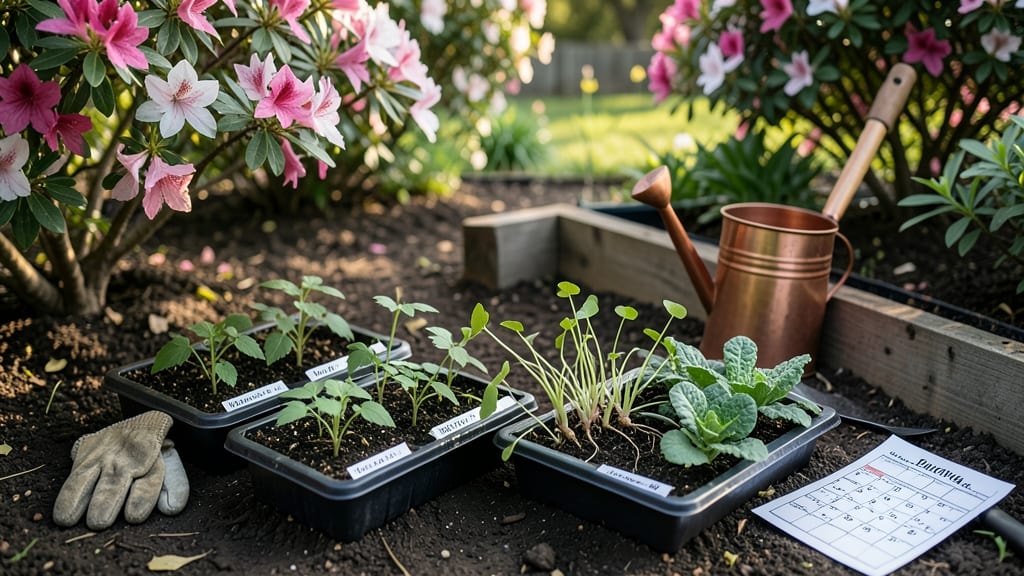
Planting your garden in Georgia at the right time means the difference between a bountiful harvest and a sad, wilted mess.
Georgia’s humid subtropical climate means your garden’s success hinges on precise planting timing—miss the window, and you risk stunted growth or crop failure. But with the right zone-specific schedule, you can maximize yields and outsmart the heat.
Whether you’re in the cooler North Georgia mountains or the warmer coastal plains, knowing when to plant General Garden Plants 🌱—from leafy greens to heat-loving tomatoes—is the key to a thriving plot.
In this guide, I’ll break down the exact planting windows for your zone, frost dates by region, and the best crops to grow in Georgia’s spring and fall seasons.
Georgia planting zones explained: when to start cool vs warm season crops
Georgia’s diverse climate—spanning from USDA zones 7a to 8b—means your planting schedule should vary depending on whether you’re growing cool-season or warm-season crops. In North Georgia (7a-7b), frost lingers longer, while South Georgia (8a-8b) enjoys earlier starts.
Understanding these differences helps you avoid frost damage or heat stress.
Cool-season crops like kale, peas, and spinach thrive in 50–75°F soil and prefer cooler air. Warm-season crops such as tomatoes, peppers, and cucumbers need 60°F+ soil and consistent warmth. Planting at the wrong time can lead to poor germination or bolting—so timing is everything!
Here’s a quick breakdown of Georgia’s frost-free dates to guide your planting:
- North Georgia (Atlanta, Dahlonega): Last frost March 15, first frost November 15
- Central Georgia (Macon, Athens): Last frost March 1, first frost November 1
- South Georgia (Savannah, Brunswick): Last frost February 15, first frost October 31
Mid-Apr (outdoors)
Late Mar (outdoors)
Early Mar (outdoors)
Early Feb (outdoors)
For cool-season crops, aim to plant 6–8 weeks before the last expected frost. In North Georgia (7a), this means starting indoors in late February for early spring harvests. In South Georgia (8b), you can plant outdoors as early as late January for a head start.
Warm-season crops, however, need to wait until the soil warms. Use a soil thermometer to confirm 60°F+ before planting. In Atlanta (7b), this typically happens mid-April, while Savannah (8b) can start as early as late February. Always have row covers ready for late frosts!
Succession planting is key in Georgia’s short growing seasons. For cool-season crops, make 2–3 sowings every 2 weeks from spring to fall. For warm-season crops, plant every 2–3 weeks until mid-July to ensure continuous harvests before frost.
Pro tip: Use mulch to regulate soil temperature. Straw mulch keeps cool-season crops from overheating in spring, while black plastic mulch warms soil faster for warm-season plants. This small tweak can extend your growing season by 2–4 weeks!
Georgia’s humid summers can be brutal for seedlings. If planting warm-season crops in June or July, provide afternoon shade and daily watering to prevent bolting. Varieties like ‘Arkansas Traveler’ okra and ‘Cherokee Purple’ tomatoes are bred for heat tolerance—great choices for Georgia gardens.
Always check your local Cooperative Extension Service for microclimate-specific advice. Urban areas like Atlanta can be 5–10°F warmer than
Heat-tolerant vegetables that thrive in Georgia’s summer: planting and care guide
Georgia’s summer heat can turn your garden into a sauna, but certain vegetables actually thrive in these conditions. I’ve grown these heat-resistant crops for years in my Atlanta garden, and they consistently deliver.
The key is understanding their ideal planting windows and how to prep your soil to retain moisture while allowing airflow.
For okra, sweet potatoes, and collard greens, timing is everything. Plant too early, and you’ll struggle with heat stress; too late, and you’ll miss the growing season entirely.
My secret? Start seeds indoors 4-6 weeks before the last frost, then transplant after soil temps hit 70°F+. This gives them a head start against Georgia’s brutal July heat.
🌱 Georgia Summer Planting Schedule
- Okra: Start seeds April 15-May 15 (direct sow after last frost)
- Sweet Potatoes: Plant slips May 1-May 31 (soil must be 65°F+)
- Collard Greens: Sow seeds July 1-August 15 (for fall harvest)
- Southern Peas: Plant April 1-May 15 (tolerates heat better than most)
- Malabar Spinach: Transplant May 15-June 15 (heat-loving alternative)
Soil prep is just as critical as timing. Before planting, amend your beds with 2-3 inches of compost and mix in sand or perlite to improve drainage. Georgia’s clay-heavy soils bake hard in summer, so I always add mulch (straw or pine needles) to lock in moisture.
This simple step can cut your watering needs by 30-40% while keeping roots cool.
Watering strategies make all the difference in summer. I use drip irrigation set to run early morning (5-7 AM) to avoid fungal issues from evening moisture. For container gardens, I soak pots until water runs out the bottom—never let them dry out completely.
Heat-loving plants like okra actually need consistent moisture to produce pods, but overwatering can cause blossom-end rot in tomatoes.
Fertilizing in summer requires caution. Too much nitrogen burns plants in the heat, so I switch to a low-nitrogen, high-phosphorus formula (like 5-10-10) when temps exceed 90°F. I also side-dress with compost tea every 4 weeks to boost microbial activity in the soil.
My collard greens get a light feeding in August to keep them producing through fall’s first frost.
Don’t overlook pest control—Georgia’s summer pests are relentless. I use row covers for young seedlings and handpick squash bugs daily. For okra, I plant basil nearby to repel whiteflies naturally.
And always rotate crops yearly to prevent soil-borne diseases from building up. With these strategies, I’ve extended my harvest season by 6-8 weeks compared to traditional cool-season crops.
Your summer garden can be lush and productive if you focus on these heat-tolerant champions. Start with okra and sweet potatoes for bold flavors, then add collards for greens that sweeten in the cold.
The key is patience and preparation—your plants will reward you with bountiful harvests even when temps soar.