
Planting
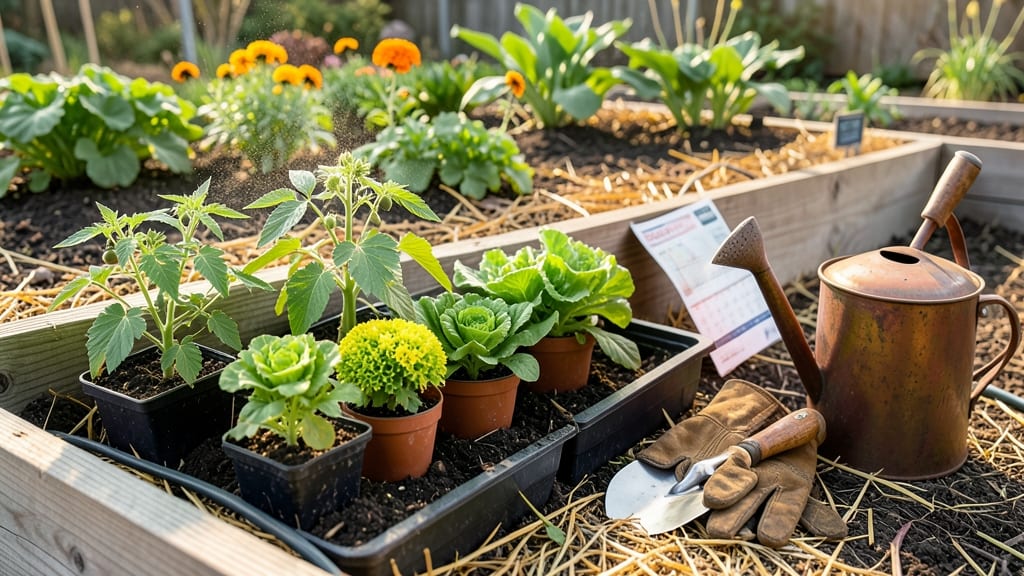
Planting a garden in Kentucky at the right time means the difference between a bountiful harvest and wasted seeds — and the Zone 7a frost dates are your best guide.
Missed planting season in Kentucky? Don’t worry—timing your garden correctly can mean the difference between a thriving harvest and wasted seeds. With Kentucky’s unique Zone 7a climate, knowing exactly when to plant each crop ensures your garden flourishes year after year.
Cool-season crops like spinach and peas need to go in 4-6 weeks before your last frost, usually by mid-March, while warm-season favorites like tomatoes and peppers wait until after the mid-April average frost date.
Below, I’ll break down the best planting windows for every crop, frost-free deadlines by county, and how to adjust for Kentucky’s unpredictable weather—so you can grow like a pro.
Kentucky Zone 7a frost dates & last average frost timeline
Understanding Kentucky’s Zone 7a frost patterns is the key to unlocking a successful garden. With last spring frosts typically arriving between March 20 and April 15 and first fall frosts around October 15–November 1, timing your plantings correctly ensures your crops thrive.
These dates can shift slightly depending on whether you're in Western Kentucky (warmer) or Eastern Kentucky (cooler), but this general timeline keeps your garden on track.
For cool-season crops like spinach, peas, and lettuce, you’ll want to plant 4–6 weeks before your last frost date. This means starting seeds indoors or in cold frames as early as late February for an early spring harvest.
Meanwhile, warm-season crops like tomatoes, peppers, and cucumbers need to wait until after the last frost—usually mid-April to early May—when soil temperatures consistently reach 60°F or higher.
Here’s how Kentucky’s frost-free window breaks down by region, with 180–210 frost-free days being the norm. This period is your garden’s golden opportunity to grow everything from quick-maturing radishes to slow-growing squash. Use this timeline to plan your spring and fall planting schedules with confidence.
| Region | Last Spring Frost (Avg.) | First Fall Frost (Avg.) | Frost-Free Days | Planting Window |
|---|---|---|---|---|
| Western KY (e.g., Paducah, Hopkinsville) | March 25–April 5 | October 20–November 5 | 200–210 days | Late March–Mid-November |
| Central KY (e.g., Louisville, Lexington) | April 1–April 15 | October 15–October 30 | 190–200 days | Early April–Late October |
| Eastern KY (e.g., Corbin, Pikeville) | April 10–April 25 | October 10–October 25 | 180–190 days | Mid-April–Early November |
If you’re planting fall crops like kale, carrots, or radishes, aim to sow seeds 8–10 weeks before your first frost. This means starting in late July to early August for a harvest before winter sets in.
For perennials and bulbs, like asparagus or tulips, plant in early spring (March–April) or early fall (September–October) to give roots time to establish before dormancy.
Kentucky’s microclimates can create variations of 1–2 weeks in frost dates, so always check your local USDA Plant Hardiness Zone map or consult the Kentucky State University Extension for hyper-local advice.
Urban areas like Louisville may experience slightly warmer microclimates, while rural or elevated areas could see earlier frosts. Adjust your planting dates accordingly to avoid late-spring frosts or early-fall freezes.
Pro tip: Use row covers or cold frames to extend your growing season by 2–4 weeks in spring and fall. These protective measures can shield tender plants from unexpected late frosts or early chills, giving you more time to enjoy fresh produce.
For example, you might push your tomato planting back by a week or two if you’re using a row cover to protect seedlings.
Keep in mind that unpredictable weather patterns can disrupt even the most carefully planned schedules. Always have a backup plan, such as fast-growing varieties or successive plantings, to ensure your garden stays productive.
For instance, if your last frost arrives late, opt for bush beans or radishes, which mature quickly and can still thrive in cooler soil.
By mastering Kentucky’s Zone 7a frost timeline, you’ll transform guesswork into a successful, bountiful garden. Whether you’re a seasoned gardener or just starting, these dates are your roadmap to timely plantings and maximum harvests. Happy planting!
Best planting schedule for Kentucky gardens by crop type
Kentucky’s Zone 7a climate offers a 180-210 day frost-free season, perfect for growing everything from cool-season greens to heat-loving tomatoes. Timing is everything—plant too early, and frost will nip tender seedlings; too late, and your harvest suffers.
Let’s break down the ideal planting windows for Kentucky’s most popular crops, so you can maximize your garden’s potential.
For cool-season crops like spinach, peas, and lettuce, start seeds indoors 4-6 weeks before your last frost date (typically mid-March to early April in Kentucky). These hardy plants can handle light frosts and even thrive in spring’s cooler temperatures.
Meanwhile, warm-season favorites such as tomatoes, peppers, and cucumbers need to wait until after the last frost, usually mid-April to early May, when soil temperatures hit 60°F or warmer.
- 🌿 Cool-Season Crops (March–April)
Spinach, peas, lettuce, kale, broccoli, carrots, onions. Start seeds indoors 4-6 weeks before last frost or sow directly 2-4 weeks before frost. - ☀️ Warm-Season Crops (Mid-April–May)
Tomatoes, peppers, eggplants, cucumbers, squash, beans, corn. Wait until soil is 60°F+ and all frost risk has passed. - 🌼 Flowers & Herbs (April–June)
Marigolds, zinnias, basil, cilantro, dill. Plant after last frost for best growth; some herbs (like parsley) tolerate cool weather. - 🍂 Fall Planting (August–September)
Kale, radishes, turnips, carrots, lettuce, spinach. Sow 8-10 weeks before first frost (mid-October) for a second harvest. - 🌱 Perennials & Bulbs (Fall or Spring)
Asparagus, rhubarb, lavender, daylilies. Plant in early spring or fall for root establishment before winter.
Don’t overlook fall planting—Kentucky’s cool autumn temperatures are ideal for leafy greens and root vegetables. Start sowing radishes, lettuce, and spinach in August for a harvest before the first frost (usually mid-October).
Even warm-season crops like bush beans can be planted in late summer for a quick fall harvest.
For herbs like basil and cilantro, timing matters too.
Basil thrives in warm weather and should be planted after the last frost, while cilantro prefers cooler temperatures and can be sown in early spring or fall. Perennials, such as asparagus and lavender, benefit from fall planting, giving roots time to establish before winter.
Pro tip: Use row covers or cold frames to extend your spring and fall growing seasons in Kentucky. This lets you plant 2-3 weeks earlier in spring or hold off on fall harvests longer.
Just remember—soil temperature is just as critical as air temperature. Use a soil thermometer to confirm 60°F+ for warm-season crops before planting.
With this crop-specific schedule, you’ll avoid common mistakes like planting tomatoes too early or letting frost damage your peas. Kentucky’s climate rewards gardeners who plan ahead—so mark your calendar, prep your soil, and get ready for a bountiful harvest from spring to fall! 🌱