
Planting
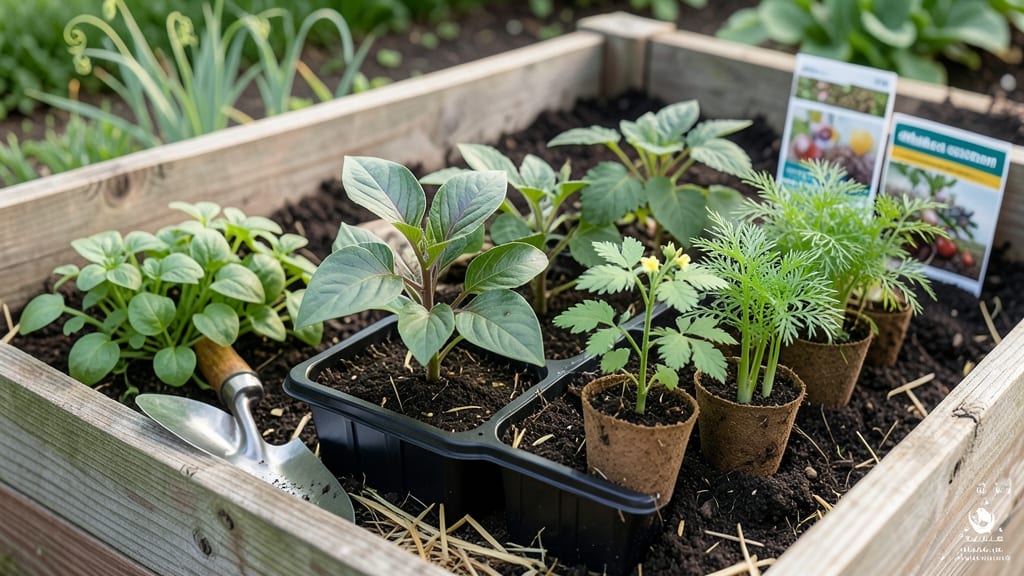
Planting a garden in Minnesota means working with a short but sweet window between frosts—get the timing wrong, and you’ll watch your seeds turn to ice instead of harvests.
Minnesota’s 120–160 frost-free days 🌱 demand precision: a late May frost can wipe out tomatoes overnight, while starting cool-season crops too early risks bolting greens by July. The key? Matching your planting to your USDA zone (3b–5a) and soil temps, not just the calendar.
This guide cuts through the guesswork with exact deadlines for everything from peas to peppers, plus tricks to stretch your season—like row covers for early starts or black plastic to warm cold soils. No more wasted seeds or missed harvests.
You’ll learn when to start seeds indoors, which crops thrive in Minnesota’s April–June rush, and how to adjust for those unpredictable late frosts. Ready to grow like a pro?
Minnesota’s frost-free planting zones: when to start seeds indoors vs. outdoors
Minnesota gardeners face a short but productive growing season, where timing is everything. The state spans USDA Zones 3–5, meaning frost dates vary dramatically—from late May in the north to early June in the south.
Understanding these zone-specific windows ensures you start seeds indoors at the right time and avoid frost damage when planting outdoors.
For example, peas can handle light frosts and can be direct-sown as early as late April in Zone 5, while tomatoes in Zone 3 need to wait until mid-June to avoid frost. The key is knowing your last average frost date and adjusting your planting schedule accordingly.
Here’s a breakdown of Minnesota’s frost-free zones, including when to start seeds indoors and the ideal windows for direct sowing both cool-season and warm-season crops.
Starting seeds indoors is a game-changer for warm-season crops like tomatoes and peppers, which need a long growing season. In Zone 3, begin seeds indoors in mid-March (8–10 weeks before the last frost), while in Zone 5, you can wait until early February (5–7 weeks before).
Use grow lights to prevent leggy seedlings, and harden them off for 1–2 weeks before transplanting.
For cool-season crops, like spinach and kale, direct sowing is often best. These plants tolerate light frosts and can even be planted in early spring or late summer for a fall harvest.
In Zone 4, for example, you can direct-sow peas as early as April 1, while in Zone 5, you might start as early as March 15.
Warm-season crops, such as tomatoes and cucumbers, are far more sensitive to frost. In Zone 3, wait until June 1 to plant these outdoors, while Zone 5 gardeners can start as early as May 1. Use row covers or
Best crops to plant in Minnesota by month: a month-by-month survival guide
Minnesota’s growing season is short but packed with opportunities if you plant at the right time. Missing the window for your cool-season crops like spinach or warm-season favorites like tomatoes can mean wasted seeds and empty harvests.
The key is knowing exact planting deadlines by month, crop type, and your USDA zone—whether you're in frost-prone Zone 3 or milder Zone 5.
I’ve broken down the must-plant crops for each month, from March’s early starts indoors to September’s last-minute fall crops. These timelines account for Minnesota’s average last frost (May 10) and first frost (September 20), but always check your local 10-year frost trends—they can vary by weeks!
🌱 Your Month-by-Month Planting Checklist
- March: Start cool-season seeds indoors (tomatoes, peppers, broccoli). Hardy crops like peas can go in Zone 5’s cold frames by late March.
- April: Direct-sow spinach, lettuce, radishes, and transplant onions. Potatoes can go in Zone 4+ once soil hits 40°F.
- May: Plant cabbage, kale, and carrots. Transplant tomatoes after Memorial Day (May 25) in Zone 4—earlier risks frost.
- June: Heat-lovers’ turn: Transplant peppers, basil, and cucumbers. Direct-sow beans, squash, and corn—they thrive in 70°F+ soil.
- July-August: Succession plant bush beans and lettuce for fall harvests. Start seeds indoors for September transplants (e.g., kale, spinach).
- September: Last call for hardy crops: Plant garlic, onions, and cold-resistant greens (like Winter Density lettuce) by September 1.
Pro Tip: Use row covers to extend seasons—add 2-3 weeks to both spring and fall planting!
For Zone 3 gardeners, shift these dates 2 weeks later—your growing season is shorter by 10-14 days. Meanwhile, Zone 5 can push warm-season crops like tomatoes 1-2 weeks earlier if your microclimate (like a south-facing wall) traps heat.
Don’t forget: Soil temperature matters more than air temperature. Use a soil thermometer—most veggies need 50°F+ for roots to thrive. For peppers and eggplants, wait until soil hits 60°F or use black plastic mulch to warm it faster.
With these deadlines, you’ll avoid frost damage, maximize harvests, and even squeeze in two crops per season (e.g., spring radishes + fall spinach in the same bed). Happy planting—your garden’s success starts with the calendar! 🌱