
Planting
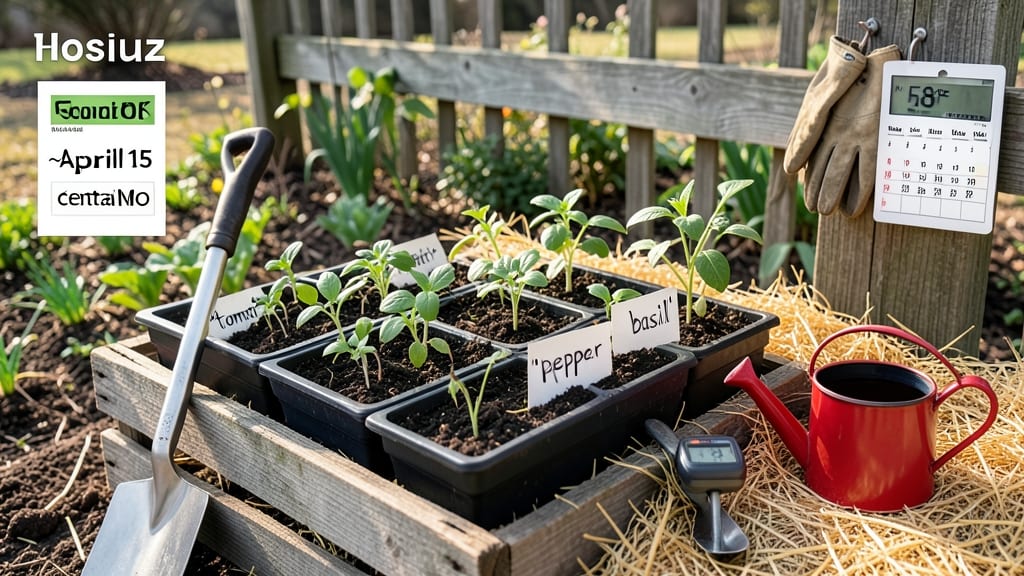
Planting a garden in Missouri means timing your crops to outsmart the state’s unpredictable frosts and scorching summers — and getting it right can mean the difference between a bountiful harvest and a sad, withered patch.
Missouri’s diverse climate—from humid summers to freezing winters—means planting your garden at the wrong time can spell disaster for your crops. But get the timing right, and you’ll enjoy bumper harvests of tomatoes, corn, and more.
With USDA zones 5b to 7a, your planting window varies from northern Missouri’s cooler springs to southern regions where heat arrives early. I’ll break down the best months to start seeds, transplant seedlings, and direct-sow for peak yields in St. Louis, Kansas City, and Springfield.
You’ll also learn how to adjust for late frosts, early heatwaves, and Missouri’s infamous weather whiplash—plus the heat-tolerance chart that keeps your garden thriving all season long.
Missouri planting zones & heat tolerance chart for vegetables
Missouri spans USDA Hardiness Zones 5b through 7a, creating distinct microclimates where cool-season crops thrive in spring and fall, while warm-season plants demand summer heat.
In Zone 5b (northern Missouri), last frost dates average April 15-30, while Zone 7a (southern Missouri) sees last frosts as early as March 15. This zone variation means your tomato plants might bolt in northern Missouri but struggle to ripen in southern heatwaves.
Understanding these zones helps you match heat-tolerant varieties like okra and sweet potatoes with southern Missouri's long summers, while northern gardeners focus on cold-hardy kale and spinach.
The key is aligning planting windows with your specific zone's frost-free period, which ranges from 150 days in Zone 5b to 210 days in Zone 7a.
Below is your zone-specific heat tolerance chart showing ideal planting windows for Missouri's most popular vegetables, categorized by cool-season (plant early) and warm-season (plant late) crops. Use this as your planting calendar foundation, then adjust based on your local microclimate.
Notice how Zone 5b gardeners must wait until late April or May to plant warm-season crops, while Zone 7a gardeners can start as early as March.
This 3-4 week difference explains why northern Missouri gardeners often struggle with underripe tomatoes while southern gardeners battle blossom-end rot from inconsistent watering during summer heat.
For heat-sensitive crops like cucumbers and squash, use shade cloth in southern Missouri during July-August when temperatures exceed 90°F. In contrast, cool-season crops like cabbage and brussels sprouts actually bolting risk increases when daytime highs exceed 75°F, so plant these in early spring or late summer.
Pro tip: Check Missouri's frost-free days for your specific location using the Missouri Botanical Garden's Plant Finder tool. For example, St. Louis (Zone 6b) averages 190 frost-free days, while Kansas City (Zone 5b) has only 160 days.
This difference means you can grow longer-season varieties in St. Louis but must choose early-maturing tomatoes like Early Girl in Kansas City.
Remember that soil temperature matters just as much as air temperature. Most warm-season seeds won't germinate until soil reaches 60°F, while cool-season crops prefer 40-50°F soil. Use a soil thermometer to verify conditions before planting—especially in Zone 5b where spring soil war
Critical Missouri planting timelines by month for peak harvests
Missouri gardeners know timing is everything—especially with our unpredictable frosts and sweltering summers. To maximize your harvest, align planting with soil temperatures and last-frost averages across St. Louis, Kansas City, and Springfield. Here’s my month-by-month breakdown to help you plan like a pro.
Start with cool-season crops like lettuce and peas in early spring, then transition to warm-season favorites such as tomatoes and peppers after the last frost. Each city has slight variations, so I’ve included key dates for all three regions to keep your garden thriving year-round.
- March: Start indoor seeds for tomatoes and peppers (6-8 weeks before last frost). Direct sow onion sets and spinach outdoors when soil reaches 40°F.
- April: Transplant seedlings like broccoli and cabbage after last frost (avg. April 15 in St. Louis, April 10 in Kansas City). Direct sow carrots and radishes when soil hits 50°F.
- May: Plant warm-season crops like beans and squash after soil warms to 60°F. In Springfield, this is typically May 1. Succession plant lettuce for fall harvests.
- June: Direct sow corn and cucumbers when soil is 70°F+. Start fall crops like kale indoors for late-summer transplants.
- July-August: Extend harvests with succession planting of bush beans and zucchini. Direct sow cool-season crops like spinach for fall harvests when nights cool.
- September: Plant garlic and onion sets for next year. Transplant broccoli and cauliflower 8-10 weeks before first frost (avg. Nov 1).
- October: Harvest remaining crops before first frost. Mulch perennials and cover soil to protect from winter freeze-thaw cycles.
Pro tip: Use row covers to extend your growing season by 2-4 weeks in spring and fall. For example, I’ve used them to plant spinach in late February and still harvested fresh greens by April.
Missouri’s microclimates mean your neighbor’s last-frost date might differ by weeks. Check the Missouri Botanical Garden’s frost maps or use a soil thermometer to confirm readiness. With these timelines, you’ll avoid bolting lettuce or frost-bitten tomatoes.
Remember, succession planting is your secret weapon. By staggering planting dates every 2 weeks, you’ll enjoy a continuous harvest of beans, radishes, and greens all season long. Happy planting!