
Planting
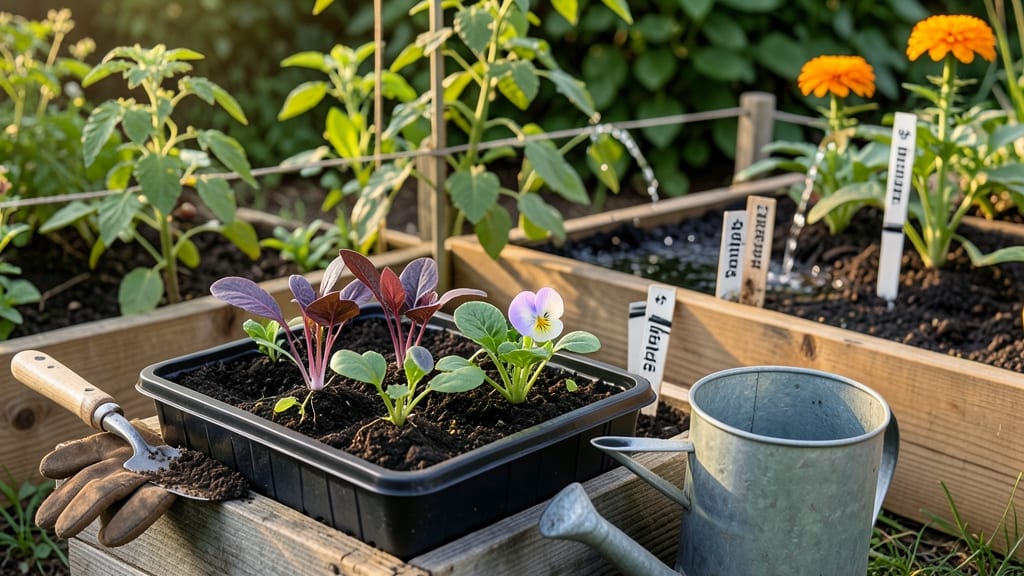
Planting a garden in New Brunswick at the right time means the difference between a thriving harvest and frost-killed seedlings 🌱—and the exact window depends on where you live in the province.
New Brunswick’s diverse microclimates—from coastal warmth to inland chill—can turn gardening success into a guessing game if you plant at the wrong time. Avoid frost-killed seedlings by mastering the exact timing for zero-frost-risk crops in your specific zone.
Whether you’re in Saint John’s milder Fundy Shore or Fredericton’s cooler interior, knowing when to start seeds indoors (like tomatoes and peppers) and when to transplant outdoors (after May 10) is the key to a productive garden.
Below, I break down the planting calendar by region, share microclimate adjustments, and reveal the 3 pro tips to extend your growing season—so you can enjoy fresh veggies from June to October.
New Brunswick’s planting zones: when to start seeds indoors vs. direct-sow outdoors
New Brunswick spans USDA Hardiness Zones 3-6, creating dramatic differences in frost dates across just 300 miles. Coastal areas like Saint John (Zone 5b) enjoy 2-3 weeks earlier planting than Fredericton (Zone 4b), while Moncton (Zone 5a) falls in between.
These variations mean your tomato seedlings could face frost in Fredericton but thrive in Saint John if timed wrong.
Mastering these zones prevents frost-killed seedlings and maximizes your harvest. For zero-frost-risk crops like peppers, cucumbers, and eggplants, starting seeds indoors is non-negotiable. The key? Begin 8-10 weeks before your last frost date—but that window shifts by region. Let’s break it down by your specific corner of New Brunswick.
Pro Tip: Use row covers or cold frames to extend your outdoor planting window by 2-4 weeks in cooler zones. This lets you direct-sow cool-season crops like spinach and peas earlier, even in Fredericton’s Zone 4b.
Notice how Saint John’s last frost arrives 15 days earlier than Fredericton’s? That means you can start tomato seeds indoors 3 weeks sooner in Saint John.
For peppers and eggplants, which need longer growing seasons, this window is critical—delaying by even a week can mean no harvest before frost.
Direct-sowing outdoors is trickier. Cool-season crops like lettuce and radishes can handle light frosts, but warm-season crops like cucumbers and beans must wait until soil temps hit 55°F (13°C).
Use a soil thermometer—don’t guess! In Fredericton, soil may not warm enough for direct-sown tomatoes until June 1, even if air temps feel spring-like.
My top mistake? Planting cucumber seeds too early in Fredericton. They sprouted fine but wilting frost hit just 10 days later. Now I wait until after May 25—no exceptions. For herbs like basil, which hate cold soil, I start seeds indoors by April 1 everywhere in NB and transplant after June 1.
If you’re in Zone 5b (Saint John/Moncton), you’ve got a longer growing season—up to 180 frost-free days. Take advantage by succession planting lettuce and spinach every 2 weeks from April to July.
In Zone 4b (Fredericton), focus on fast-maturing varieties like bush beans or early radishes to squeeze in harvests before October 15’s first frost.
For container gardening, which warms up faster, you can shave 1-2 weeks off outdoor planting dates. Place pots in south-facing spots and use black plastic mulch to raise soil temps by 5-10°F.
This trick lets me direct-sow peppers in containers by May 10 in Fredericton—something I’d never risk in the ground.
Remember: Microclimates matter. A south-facing slope in Fredericton might be 2 weeks warmer than your backyard. Observe where last year’s frost hit hardest—those low-lying areas are risk zones. And always have row covers ready to protect tender seedlings if late frosts (which happen every year) roll in.
Start with these region-specific timelines, and your garden’s success rate will skyrocket. Soon, you’ll be the neighbor everyone asks for tomato starts—not because you’re lucky, but because you mastered
Microclimate-specific planting calendar: coastal vs. inland timing differences
New Brunswick’s coastal regions—like the Fundy Shore—often enjoy warmer springs and earlier last-frost dates than inland areas. Meanwhile, inland valleys and highlands can linger in frost well into May.
These differences mean your radishes might be ready in June on the coast but not until July inland. Understanding these shifts helps you time planting windows for maximum harvest success.
For example, Saint John’s coastal zone (USDA 6b) typically sees its last frost around April 20, while Fredericton’s inland valley (USDA 5a) often waits until May 10. This 3-week difference can mean the difference between a bountiful early harvest and stunted growth from late frosts.
Even within the same region, urban heat islands can push planting dates 1-2 weeks earlier compared to rural areas.
Here’s how these microclimates affect your planting calendar for key crops:
| Microclimate | Last Frost Date | Peas (Direct Sow) | Tomatoes (Transplant) | Pumpkins (Direct Sow) | Radishes (Direct Sow) |
|---|---|---|---|---|---|
| Fundy Shore (Coastal) | April 15–25 | April 1–15 | May 1–15 | May 15–30 | April 1–May 1 |
| Inland Valleys (Fredericton) | May 1–10 | April 15–30 | May 15–31 | June 1–15 | April 15–May 15 |
| Urban Heat Islands (Moncton) | April 20–May 1 | April 10–20 | April 25–May 10 | May 10–25 | April 5–May 10 |
Notice how radishes—with their short 30-day growing season—can be planted earlier than pumpkins, which need 100+ days to mature.
Coastal gardeners can squeeze in two radish harvests before tomatoes are ready, while inland gardeners might only manage one early crop before shifting to heat-loving plants like okra or sweet potatoes.
For fall planting, the differences reverse: coastal areas face earlier first frosts (late September), while inland zones can extend growing seasons until mid-October.
This means kale and carrots planted in August on the coast may bolt by October, while inland gardeners can still harvest them in November. Always adjust for sheltered microclimates, like south-facing slopes or protected garden beds.
Pro tip: Use row covers to push coastal planting dates 1-2 weeks earlier or extend inland harvests by 3-4 weeks. For zero-frost-risk crops like spinach or lettuce, wait until May 15 inland or May 1 on the coast to avoid bolt risk from warm nights.
By aligning your planting calendar with your local microclimate, you’ll turn New Brunswick’s unpredictable weather into a gardening advantage. Start with these timelines, then fine-tune based on your specific yard conditions—your future harvests will thank you! 🌱