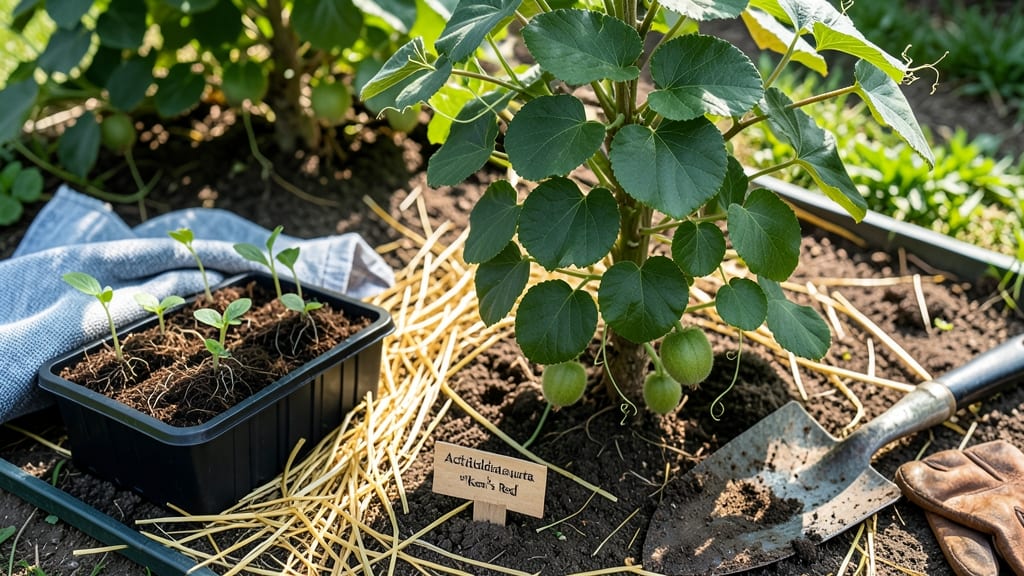
Planting a garden in North Dakota means timing your 🌱 crops to the 120-day frost-free window—any earlier and you risk frost damage, any later and your harvests suffer.
Picture this: you’ve prepped the soil, ordered seeds, and cleared your schedule for a summer of fresh tomatoes and sunflowers—only to wake up to another late frost in May. That’s why knowing your USDA zone (3b-4b) and last frost date (around May 15) is the key to success.
From hardy potatoes and peas in early April to heat-loving peppers in late May, each crop has its own window. This guide breaks down the exact planting timeline by zone, plus tips to stretch your season with row covers and cold frames.
You’ll learn which crops to start indoors, when to direct-sow, and how to avoid the most common planting mistakes that leave ND gardeners scratching their heads by July. Let’s get your garden growing!
🌱
When to Plant General Garden Plants Garden Plants
Jan
❄️
Feb
❄️
Mar
🌱
Apr
🌱
May
🌱
Jun
🌱
Jul
🌱
Aug
🌱
Sep
🍂
Oct
🍂
Nov
🍂
Dec
❄️
North Dakota frost dates by USDA zone: when to plant cool vs warm season crops
North Dakota’s USDA Zones 3b-4b create unique challenges for gardeners, with average last frost dates ranging from May 10-20 and first frosts arriving as early as September 10. This leaves roughly 120-140 frost-free days, forcing careful planning to maximize yields.
I’ve broken down the critical planting windows for your cool-season crops (like lettuce) versus warm-season crops (like tomatoes) based on real ND data.
For cool-season crops, the key is planting early—some varieties can even handle light frost. Leaf lettuce and spinach can go in the ground as early as late April under row covers, while potatoes and peas thrive when planted by May 1.
Meanwhile, warm-season crops like tomatoes and beans need to wait until after May 20, when soil temperatures consistently reach 50°F+.
Below is your ND frost date cheat sheet, organized by crop type and hardiness. Use this to align your planting schedule with ND’s unpredictable weather patterns—because even a late May frost can wipe out unprotected seedlings.
| Crop Type |
USDA Zone 3b |
USDA Zone 4b |
Planting Window |
Notes |
| Cool-Season Crops |
Late April |
Early April |
April 15-May 15 |
Use row covers for early starts |
| Lettuce (Buttercrunch) |
April 20 |
April 10 |
April 15-June 1 |
Succession plant every 2 weeks |
| Spinach (Bloomsdale) |
April 25 |
April 15 |
April 15-May 10 |
Tolerates light frost |
| Potatoes (Yukon Gold) |
May 1 |
April 25 |
April 25-May 15 |
Plant seed pieces 4" deep |
| Warm-Season Crops |
May 20 |
May 15 |
May 20-June 15 |
Wait for soil at 50°F+ |
| Tomatoes (Early Girl) |
May 25 |
May 20 |
May 25-June 10 |
Use black plastic mulch |
| Beans (Kentucky Wonder) |
May 20 |
May 15 |
May 20-June 15 |
Direct sow after frost |
| Peppers (Jalapeño) |
June 1 |
May 25 |
5 Critical tips to extend north Dakota’s growing season for maximum yields
North Dakota’s short growing season (just 90-120 frost-free days) forces gardeners to get creative. I’ve learned that extending the season isn’t just about planting earlier—it’s about protecting plants and optimizing conditions to squeeze every possible harvest out of the summer.
The key is combining physical barriers, smart planting strategies, and climate-adapted varieties.
When I first moved to Zone 3b-4b, my early tomatoes kept dying from late frosts. Now, I use a mix of season-extending tools that add weeks (sometimes months!) to my growing window.
The best part? These methods work for vegetables, flowers, and even perennials, so you can apply them garden-wide. Let’s break down the top 5 game-changers that have transformed my ND yields.
🌱 5 Critical Tips to Extend ND’s Growing Season
1
Use cold frames or low tunnels for early starts—plant spinach and kale under them in late March and harvest by May. My cold frame adds 2-3 weeks of growing time before last frost.
2
Row covers (floating or hoop) protect warm-season crops like peppers and cucumbers from late frosts. I’ve kept tomatoes growing until mid-October with removable covers—just uncover when temps rise above 50°F.
3
Succession planting every 2 weeks ensures a steady harvest. Plant lettuce and radishes in April, then again in June for fall crops. This doubles my yield without extra space!
4
Choose frost-resistant varieties like ‘Early Girl’ tomatoes, ‘Northern Lights’ bush beans, and ‘Purple Viking’ potatoes. These tolerate 28°F for short periods—perfect for ND’s unpredictable springs.
5
Warm soil faster with black plastic mulch or straw bales. My soil thermometer shows 10°F warmer soil under mulch, helping cucumbers and squash germinate 2 weeks earlier.
Don’t overlook microclimates—south-facing slopes or windbreaks can add 1-2 weeks to your season. Last year, I planted zucchini near my stone wall and harvested 3 weeks later than my north-side plants. Even small adjustments make a huge difference in ND’s climate.
Start with one or two methods this year—like row covers for tomatoes or succession planting lettuce—and expand as you see results. The earlier you begin, the more abundant your harvests will be. With these tips, you’ll turn ND’s short season into a high-yielding powerhouse! 🌿
★★★★★4.5(2 reviews)