
Planting
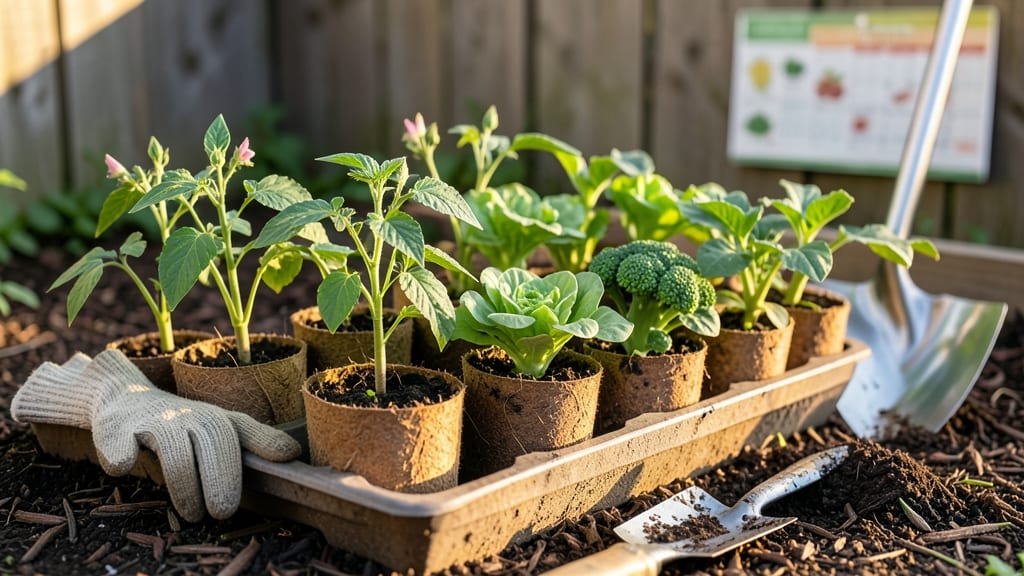
To plant a garden in Pennsylvania at the right time means timing your seeds and transplants with your zone’s last frost date — a window that shifts from late April in the Poconos to mid-May in Pittsburgh.
Pennsylvania’s diverse climate—from the cool mountain air of the Poconos to the humid valleys of Pittsburgh—means your garden’s success hinges on planting at the perfect time. Miss the window, and frost or heat stress can ruin your hard work before harvest.
Cool-season crops like lettuce and peas thrive when planted 4-6 weeks before the last frost, while warm-season favorites such as tomatoes need soil that’s at least 55°F to avoid stunted growth. Whether you’re in zone 4a or 7a, knowing your local frost-free date is the key to a bountiful harvest.
Below, I’ll break down the exact planting windows for your region, plus pro tips to extend your growing season—so you can avoid the heartbreak of a frost-nipped garden.
Pennsylvania planting zones: last frost dates by region (2024 guide)
Pennsylvania spans USDA hardiness zones 4a through 7a, creating dramatic differences in frost timing. In the Poconos (zone 4a-5a), gardeners face late spring frosts, while Philadelphia (zone 7a) enjoys a 60-day longer frost-free window than Erie.
Understanding these variations helps you avoid late-season frost damage or premature heat stress.
For warm-season crops like tomatoes and peppers, waiting until after the last average frost date is critical. My rule of thumb? Plant after the 10-day buffer—this accounts for unexpected cold snaps.
For cool-season crops like spinach or kale, early spring or fall plantings work best when soil temps stay above 40°F (4°C).
Here’s how Pennsylvania’s 8 USDA zones break down by region, with average last frost dates and frost-free windows to guide your planting schedule:
Notice how Philadelphia (zone 7a) can start tomatoes 3 weeks earlier than Erie (zone 5b)? Microclimates matter too—south-facing slopes warm up faster, while valleys hold cold air longer. Always check local NOAA frost records for your exact location.
For cool-season crops, plant 4-6 weeks before the last frost—this gives them time to mature before summer heat sets in. Spinach and lettuce thrive in 50-60°F (10-15°C) soil, while broccoli needs 60-70°F (15-21°C).
Use row covers to extend early spring plantings if night temps dip below 32°F (0°C).
In northern zones (4a-5a), consider cold-hardy varieties like Kale or Swiss chard, which tolerate light frosts. In southern zones (6a-7a), prioritize heat-tolerant crops like Okra or Sweet Potatoes for late summer harvests.
Always calculate your frost-free window by subtracting the first average frost date (October 15–November 15) from the last average frost date.
Pro tip: Use the 10-day rule for warm-season crops—wait 10 days after your zone’s last frost date to plant tomatoes, peppers, and cucumbers. This accounts for late frosts and ensures strong root establishment before summer heat arrives.
For fall plantings, aim to harvest before the first frost—use quick-maturing varieties like Bush Beans (50 days) or Radishes (25 days).
Remember, soil temperature matters more than air temperature. Use a soil thermometer—most warm-season crops
Zero-frost risk crops: what to plant and when in each PA zone
Pennsylvania’s frost-free growing windows vary dramatically between zone 4b in the Poconos and zone 7a near Pittsburgh. To maximize harvests, focus on zero-frost risk crops—plants that thrive in your zone’s longest frost-free periods.
These crops minimize frost damage while delivering bountiful yields, whether you're in cool northern zones or hotter southern regions. Below are the top crops to prioritize, with planting windows tailored to your specific zone.
For northern zones (4a–5b), extend seasons with cold-hardy varieties like kale and spinach, while southern zones (6a–7a) can handle heat-tolerant tomatoes and peppers until late fall. The key is aligning your plant’s days-to-maturity with your zone’s frost-free window.
For example, a 60-day tomato in zone 7a can be planted in late May, while the same variety in zone 4b needs a mid-June start to avoid frost.
🌱 Top Zero-Frost Risk Crops by PA Zone
- 1. Kale (Zones 4a–7a): Plant 4–6 weeks before last frost (March–April). Thrives in cool weather and can survive light frosts.
- 2. Sweet Corn (Zones 5a–7a): Sow 2 weeks after last frost (May–early June). Choose early-maturing varieties (60–70 days) for northern zones.
- 3. Bush Beans (Zones 4b–7a): Direct-sow 2–3 weeks after last frost (May–June). Heat-tolerant; ideal for summer harvests in all zones.
- 4. Zinnias (Zones 3–9): Sow after all frost risk (May–July). Drought-tolerant and blooms until first frost, extending your flower season.
- 5. Cucumbers (Zones 5a–7a): Plant 1–2 weeks after last frost (May–June). Use trellises to save space and improve air circulation.
- 6. Swiss Chard (Zones 4a–8a): Sow 4–6 weeks before last frost (March–April) or 60 days before first frost (July–August) for fall harvests.
- 7. Basil (Zones 5a–10a): Start indoors 6–8 weeks before last frost (March–April) or direct-sow after frost (May). Pinch back for bushier growth.
- 8. Sunflowers (Zones 2–11): Direct-sow after soil warms (May–June). Fast-growing; ideal for late-season color before frost.
For zone 7a gardeners, leverage the longer growing season by planting heat-loving crops like okra and sweet potatoes in late June. These varieties thrive in 90°F+ temperatures and can be harvested well into October.
In contrast, zone 4b growers should focus on fast-maturing crops like radishes (25 days) or bush beans (50–60 days) to avoid early frosts.
Pro tip: Use succession planting for crops like lettuce and spinach to ensure a continuous harvest