
Planting
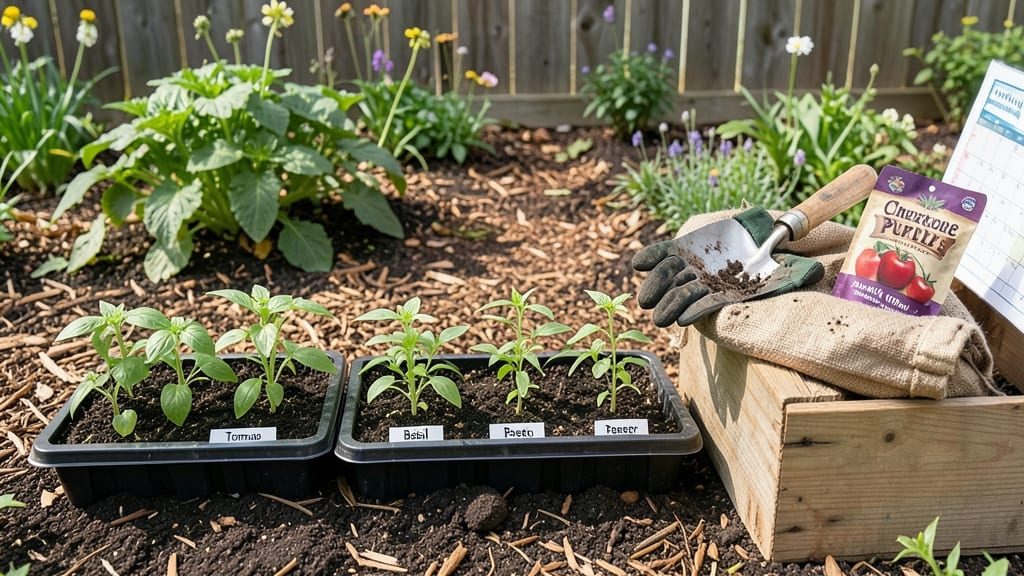
Planting a garden in Washington, DC, starts in early March for cool-season crops 🌱 and stretches into late May for heat-lovers like tomatoes.
But here’s the catch: DC’s urban heat islands can push planting windows two weeks earlier than suburban neighborhoods, while pockets of the city stay cooler for longer. Get this wrong, and you’ll either watch seedlings bolt in the heat or wait all summer for tomatoes to set fruit.
This guide breaks down the exact timing for your microclimate—whether you’re in a stone-cold Georgetown backyard or a baked Capitol Hill rooftop—plus how to adjust for late frosts, soil warmth, and DC’s famously unpredictable spring.
You’ll learn the three key milestones every DC gardener needs to track, plus the one trick that adds four weeks to your harvest season, no matter where you live in the city.
Washington DC planting zones: how microclimates affect your last frost dates
Washington DC spans USDA Zones 7a and 8a, but the city's microclimates create dramatic differences in frost timing. Urban areas like Downtown DC and Georgetown often experience last frosts 1-2 weeks later than suburban neighborhoods like Arlington or Alexandria.
These shifts can mean the difference between a thriving tomato harvest and a frost-killed crop.
Local topography plays a major role—lower elevations near the Potomac River tend to stay warmer longer, while higher areas like Takoma Park or Chevy Chase experience earlier frosts. Even within a single neighborhood, wind patterns and heat retention from buildings can create 5-7 day variations in frost dates.
Understanding your specific microclimate helps you time warm-season crops like tomatoes and peppers perfectly. Planting too early in cooler microclimates risks frost damage, while waiting too long in urban heat islands can lead to heat stress before harvest.
| Microclimate Type | Avg Last Frost Date | Avg First Frost Date | Key Characteristics | Planting Adjustments |
|---|---|---|---|---|
| Urban Heat Islands (Downtown, Capitol Hill) | April 25-May 5 | October 25-November 5 | Concrete absorbs heat, delays frost | Plant heat-lovers 1 week earlier |
| Suburban Residential (Chevy Chase, Cleveland Park) | April 15-April 25 | October 15-October 25 | Moderate heat retention, typical DC climate | Follow standard DC planting calendar |
| River Valleys (Potomac, Anacostia) | April 20-April 30 | October 20-October 30 | Warmer air pockets near water | Extend season by 3-5 days |
| Higher Elevations (Takoma, Bethesda) | April 5-April 15 | October 5-October 15 | Cooler air settles in valleys | Delay planting by 1 week |
| Wind-Exposed Areas (Rock Creek Park) | April 10-April 20 | October 10-October 20 | Faster heat loss from wind | Use windbreaks for sensitive plants |
Your elevation matters—every 100 feet gain typically shifts frost dates by 3-5 days earlier. For example, Takoma Park (elevation 300 ft) often sees its last frost 10 days before Georgetown (elevation 20 ft). Use this elevation rule to adjust planting times when moving between neighborhoods.
Wind patterns create another critical factor. Areas like Rock Creek Park experience cooler nights due to wind exposure, while backyard gardens in Capitol Hill benefit from urban heat retention. Even a 5 mph wind increase can drop nighttime temperatures by 2-3°F, potentially causing frost damage to tender plants.
For cool-season crops like lettuce and spinach, these microclimates work in your favor. Plant in higher elevations first (April 1) and urban areas last (April 15) to stagger harvests.
For warm-season crops, the opposite strategy applies—start seeds in urban heat islands (April 1) and move to cooler areas (April 15) once soil warms.
Always verify with local data—NOAA's climate maps show Georgetown averages 5°F warmer than Silver Spring during spring nights. This 5°F difference can mean the difference between successful tomato transplants and frost-killed seedlings.
Use these microclimate guidelines to extend your growing season by planting heat-loving crops in urban areas first, then moving to suburban spots as temperatures rise. This staggered approach maximizes your harvest window across DC's diverse climate zones.
Remember: Last frost dates are averages—track your own garden's patterns for 3 years to refine timing. Even within a single neighborhood, your specific yard conditions (sun exposure, wind shelter, soil type) will fine-tune these general guidelines.
Zero-frost vegetable planting schedule by DC microclimate type
Washington DC’s microclimates create unique growing conditions—urban heat islands can be 5-10°F warmer than nearby suburbs, delaying frost and extending planting seasons. For zero-frost vegetables like tomatoes and peppers, timing is everything. Below, I’ve mapped out month-by-month windows for DC’s 5 key zones, accounting for heat-island effects in urban areas.
Urban gardens (e.g., Northeast or Southeast DC) often see later frosts due to concrete heat retention, while suburban areas (like Arlington or Alexandria) follow traditional USDA Zone 7a/8a timelines.
Adjust planting dates 1-2 weeks earlier for urban heat pockets and 1 week later for cooler microclimates near Rock Creek Park or Great Falls.
For heat-sensitive crops, urban gardeners should prioritize fast-maturing varieties like 'Early Girl' tomatoes or 'Jalapeño M' peppers, which thrive in DC’s abbreviated season.
Start seeds indoors 6-8 weeks before your microclimate’s last frost date—urban areas can begin as early as March 1, while rural zones wait until March 15.
Cool-season vegetables like lettuce and spinach offer flexibility. In urban zones, succession plant every 2 weeks from March through May to avoid bolting. For carrots, sow seeds directly in well-drained soil—urban heat can cause forking, so keep soil consistently moist.
Mulch with straw to retain moisture and regulate soil temperature.
Pro tip: Use row covers to push cool-season crops into early spring or extend fall harvests by 3-4 weeks. In urban areas, monitor soil temps—50°F+ triggers germination for most vegetables. For peppers, wait until nighttime temps stay above 55°F before transplanting, typically mid-May in most DC zones.
Remember, DC’s first frost typically arrives between October 15-30, but urban areas may see 1-2 weeks later. Plan your fall planting accordingly—cool-season crops like kale and radishes can handle light frosts and even sweeten up when exposed to 28-32°F temps.