
Planting
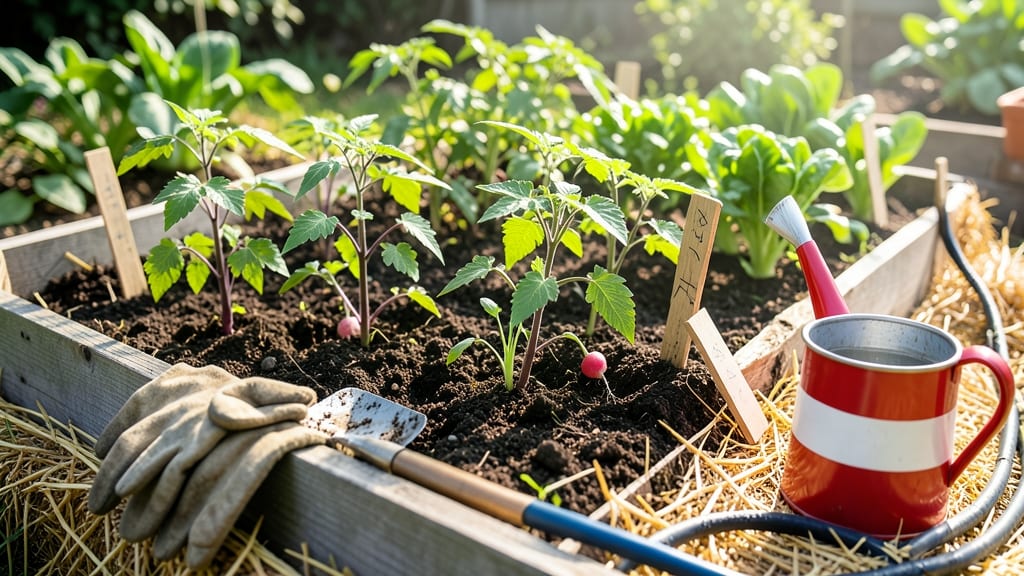
Planting a vegetable garden in North Carolina at the right time means the difference between a bountiful harvest and a sad, wilted disappointment 🌱.
North Carolina’s diverse climate—from the mountains to the coast—means your vegetable garden’s success hinges on planting at the perfect time. Get it wrong, and your tomatoes might bolt before fruiting, or your lettuce could turn bitter in the heat.
But with the right frost-date strategy, you can extend your growing season and harvest like a pro.
Timing isn’t just about avoiding frost—it’s about matching your crops to NC’s unique microclimates. Coastal areas like Wilmington have earlier springs than the Piedmont, while the mountains (think Asheville) can linger in chill well into May.
That’s why I’ll break down the exact planting windows for your county, plus how to adjust for unexpected weather.
By the end, you’ll know when to start seeds indoors, which veggies thrive in NC’s heat, and how to stretch your harvest season with smart succession planting. No more guessing—just a foolproof plan for your most productive garden yet.
North Carolina frost dates by county: your planting timeline guide
North Carolina’s diverse microclimates create unique challenges for gardeners. The mountains in western NC can experience late spring frosts well into May, while the coastal plains often see earlier last frosts in late February.
Understanding your local frost dates is the key to planting vegetables at the right time for maximum yields.
Your planting window for cool-season crops like lettuce and broccoli opens after the last average frost date, while warm-season crops such as tomatoes and peppers need to wait until soil temperatures reach at least 60°F.
Below, I’ve broken down frost dates by region to help you plan your garden calendar with confidence.
| Region | Average Last Frost | Average First Frost | USDA Zone | Planting Window |
|---|---|---|---|---|
| Mountains (Asheville, Boone) | May 1-15 | October 15-30 | 6b-7a | Cool crops: May-June Warm crops: June 15-July |
| Piedmont (Raleigh, Greensboro) | March 20-April 5 | November 1-15 | 7b-8a | Cool crops: March-April Warm crops: April 15-May 15 |
| Coastal Plain (Wilmington, Fayetteville) | February 20-March 10 | November 15-December 5 | 8a-8b | Cool crops: February-March Warm crops: March 15-April 15 |
| Exception Areas | Asheville (May 15) Wilmington (Feb 15) |
Asheville (Oct 5) Wilmington (Dec 1) |
6b (Asheville) 8b (Wilmington) |
Adjust planting by 2-3 weeks |
In the mountains, counties like Henderson and Haywood often see their last frost as late as May 15, which means you’ll need to wait longer to plant warm-season crops.
For example, tomatoes planted in early May might still face frost damage. Use row covers or choose fast-maturing varieties like 'Early Girl' tomatoes to extend your season.
Meanwhile, the coastal plain offers earlier planting opportunities. In New Hanover County (Wilmington), you can start spinach and kale as early as February 15, giving you a head start on the growing season.
The longer frost-free period here—often until December 1—also allows for extended harvests of fall crops like carrots and Brussels sprouts.
The Piedmont region, including Wake County (Raleigh) and Guilford County (Greensboro), strikes a balance with last frosts typically occurring between March 20 and April 5.
This makes it ideal for spring planting of vegetables like peas and radishes, while still allowing time for summer crops like squash and beans to mature before the first frost in November.
If you’re gardening in Asheville, be prepared for late frosts that can linger into May. I’ve learned the hard way that planting tomatoes too early can result in frost damage, even if the calendar says spring has arrived.
For the coastal areas, like Wilmington, the opposite is true—you can start planting warm-season crops as early as March 15 if you’re confident the frost threat has passed.
To make the most of your planting windows, I recommend using a frost-free date calculator from your local Cooperative Extension Service. They provide hyperlocal data that accounts for microclimates, which can vary even within the same county.
For example, a south-facing slope in the mountains may warm up faster than a valley area, allowing for earlier planting.
For cool-season crops, like lettuce and broccoli, you can also take advantage of fall planting after the summer heat subsides. In most of NC, this means planting by August 15
Best vegetables to plant by month in NC (with frost tolerance charts)
North Carolina’s diverse microclimates mean your planting schedule should shift from the mountains to the coast. Cool-season crops like kale and broccoli thrive in early spring, while heat-lovers such as okra and sweet potatoes need summer’s warmth.
The key? Frost dates and succession planting—planting the same crop in stages for continuous harvests.
For example, lettuce planted every 2 weeks from March to September ensures fresh greens year-round. Meanwhile, tomatoes and peppers wait until after your last frost date (typically late April in the Piedmont, early May on the coast).
Use this chart to align your planting with NC’s climate zones and avoid common pitfalls like bolting or heat stress.
| Vegetable | Best Months to Plant | Frost Tolerance | Succession Planting Tip |
|---|---|---|---|
| Leafy Greens (Lettuce, Spinach, Kale) | Mar, Sep-Oct | ❄️❄️❄️ (Hardy) | Every 2 weeks for continuous harvest |
| Root Vegetables (Carrots, Beets, Radishes) | Feb-Mar, Aug | ❄️❄️ (Moderate) | Thin seedlings to avoid crowding |
| Fruiting Crops (Tomatoes, Peppers, Cucumbers) | May-Jun (after frost) | ☀️ (Sensitive) | Use row covers for early starts |
| Herbs (Basil, Cilantro, Dill) | Mar-Apr, Aug-Sep | ❄️ (Moderate) | Basil bolts in heat—plant late summer |
| Heat-Tolerant Crops (Okra, Sweet Potatoes, Southern Peas) | Jun-Jul | ☀️☀️ (Very Hardy) | Direct sow after soil warms to 70°F |
Spring planting (March–April) is ideal for cool-season crops like broccoli and cabbage. These thrive in 50–65°F soil and can handle light frosts. Use row covers or cold frames to extend early-season planting.
For example, Asheville’s last frost often hits April 15, while Wilmington’s is around March 15—adjust accordingly.
Summer (May–July) is for warm-season crops like tomatoes and squash. Wait until soil temps hit 60°F+ to avoid stunted growth. Succession plant fast-maturing varieties like bush beans every 3 weeks for a steady supply.
Heat-tolerant varieties such as ‘Celebrity’ tomatoes or ‘Black Krim’ tomatoes handle NC’s summer heat better than standard types.
Fall (August–October) lets you squeeze in another round of cool-season crops. Plant spinach and radishes in late summer for harvests before the first frost. Use shade cloth to protect tender greens from late-season heat waves.
For example, ‘Winter Density’ kale sweetenizes after frost, making it a must-grow for NC winters.
Pro tip: Stagger planting by 2–3 weeks for crops like lettuce or carrots to ensure a continuous harvest. This works especially well in NC’s variable climate, where unpredictable weather can delay or rush growth. Keep a planting journal to track what works best in your specific zone!