
Planting
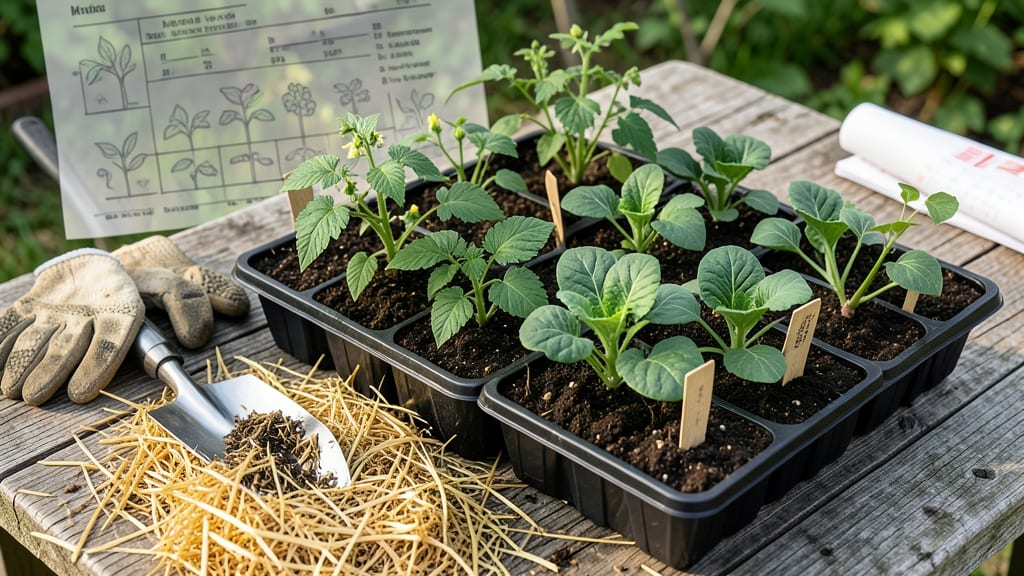
Planting a vegetable garden in Mississippi at the right time means the difference between a bumper crop and a sad, wilted mess—especially in Zone 8a’s punishing summers.
Mississippi’s long, hot summers and mild winters create a unique gardening challenge—but timing your vegetable plantings right can mean the difference between a thriving harvest and a wilting disappointment.
With USDA Zones 7b and 8a, knowing exactly when to plant heat-loving crops like okra, sweet potatoes, and peppers is critical for success.
If you’ve ever rushed to plant tomatoes in May only to watch them bolt in the heat, you know how quickly things can go wrong. The key is working with Mississippi’s climate—not against it—by sticking to proven planting windows that align with frost dates, soil warmth, and heat tolerance.
In this guide, I’ll break down the best months to start your 🥕 vegetable garden, the top heat-tolerant crops for Mississippi, and the common mistakes that kill gardens before they even begin. Ready to grow like a pro?
Mississippi’s best planting timeline for heat-tolerant vegetables by season
Mississippi gardeners know the struggle: scorching summers and brief cool seasons demand precise timing for vegetable success. Unlike northern climates, we can’t just plant when we feel like it—soil temperatures and heat tolerance dictate our schedule.
The key? Planting when daytime highs stay above 70°F and nights don’t dip below 55°F—otherwise, your seedlings will bolt or wilt before producing.
With USDA Zones 7b/8a, Mississippi’s last frost date typically falls around March 15 in the north and February 15 along the Gulf Coast. First frost arrives November 15, leaving us with a 210-day growing window.
The trick? Stagger plantings to avoid summer heat stress while maximizing fall harvests before cold sets in.
📅 Spring planting (February–April) focuses on cool-season crops that tolerate mild heat, while summer planting (May–July) prioritizes heat-loving varieties like okra and sweet potatoes. Fall (August–September) is all about succession planting for late-season greens and root vegetables. Let’s break it down month by month so you can plan with confidence.
| Month | Plant | Avoid Planting | Soil Temp | Notes |
|---|---|---|---|---|
| February | Onions, Potatoes, Peas, Lettuce | Tomatoes, Peppers, Okra | 50–60°F | Start seeds indoors for transplanting after last frost. |
| March | Carrots, Beets, Spinach, Cabbage, Broccoli | Cucumbers, Sweet Corn, Southern Peas | 60–70°F | Wait until 2 weeks after last frost for heat-sensitive crops. |
| April | Tomatoes, Peppers, Eggplant, Okra, Sweet Potatoes | Lettuce, Spinach, Radishes | 70–80°F | Soil must be 70°F+ for warm-season crops. |
| May | Sweet Corn, Southern Peas, Okra, Cucumbers, Squash | Cool-season greens | 75–85°F | Use shade cloth for seedlings to prevent bolting. |
| June–July | Okra, Sweet Potatoes, Peppers, Tomatoes (succession) | Leafy greens, Broccoli, Cabbage | 80–90°F | Focus on drought-resistant varieties and mulch heavily. |
| August | Collards, Turnips, Beets, Carrots, Lettuce | Tomatoes, Peppers, Cucumbers | 75–85°F | Plant 8–10 weeks before first frost for fall harvest. |
| September | Spinach, Radishes, Arugula, Green Onions | Sweet Corn, Okra, Southern Peas | 65–75°F | Use row covers to extend growing season. |
April is the sweet spot for warm-season vegetables like tomatoes and peppers, but don’t rush—soil temperatures
Top 7 heat-loving vegetables to grow in Mississippi (and when to start them)
Mississippi’s scorching summers (often hitting 95°F+) might scare off new gardeners, but the right heat-loving crops thrive here—if planted at the perfect time. These seven vegetables dominate local gardens because they handle humidity, drought, and sweltering temps like pros.
Let’s dive into when to start each for maximum yields, plus my pro tips to beat the heat.
First, know Mississippi’s last frost dates vary by region: March 15 in North Mississippi (Zone 7b) and March 1 along the Gulf Coast (Zone 8a). For heat-lovers, we’re focusing on post-March plantings—no more waiting for spring’s fleeting cool spells.
These crops demand consistent warmth, so let’s get to the timeline.
- Okra: April 15–May 1 (direct sow after soil hits 70°F). Thrives in 100°F+ heat—pick pods every 2–3 days to encourage more growth.
- Sweet Potatoes: April 1–May 15 (slips planted after last frost). Needs full sun and well-draining soil—mulch heavily to retain moisture.
- Tomatoes: March 1–April 15 (start indoors 6–8 weeks before last frost). Heat-tolerant varieties like Celebrity or Solar Fire handle 90°F+ better than others.
- Peppers: March 15–April 30 (transplant after soil warms to 65°F). Jalapeños and Bell Peppers love heat—stake plants to prevent sunscald on fruits.
- Collards: March 1–April 15 (direct sow or transplant). Surprisingly heat-tolerant—harvest outer leaves to keep plants producing through October.
- Southern Peas (Cowpeas): May 1–June 15 (direct sow after soil is 75°F+). Drought-resistant and nitrogen-fixing—great for poor soil.
- Eggplant: April 15–May 1 (transplant after last frost). Needs rich soil and even watering—missed waterings cause bitter fruit.
Okra is Mississippi’s heat champion, shooting up like weeds once soil warms. I’ve seen 10-foot stalks in my Jackson garden by July—just imagine the pods! Start seeds indoors in March for a head start, but transplant after April 15 when nights stay above 60°F.
Pro tip: Harvest pods at 3–4 inches for tender eating; let them grow longer for thicker skins (great for frying).
Sweet potatoes, another Gulf Coast staple, need long, hot summers to sweeten their roots. Plant slips (not seeds) in April and give them 100+ days of warmth. My best yields come from black soil beds—Mississippi’s heavy clay can cause rot, so amend with compost and sand.
Mulch with straw to lock in moisture and keep roots cool.
Tomatoes and peppers are summer staples, but Mississippi’s heat can turn them mealy or sunburned. Choose heat-set varieties like Arkansas Traveler tomatoes or Carolina Wonder peppers.
For extra protection, use shade cloth (30%) during 100°F+ spells. Water deeply at the base in the morning to avoid fungal diseases like early blight.
Don’t overlook collards—they’re the workhorses of Southern gardens, producing all summer and fall. Start seeds in March for early harvests, but they’ll keep going until first frost.
My trick? Succession plant every 2 weeks to ensure a steady supply. They’re also pest-resistant, so you’ll spend less time spraying and more time eating.
For Southern peas (cowpeas), think May planting—they handle heat like a boss. These nitrogen-fixing plants improve soil while feeding you. Try Purple Hull or Black-Eyed Peas for classic flavors.
They’re also drought-tolerant, making them perfect for Mississippi’s unpredictable summer rains. Just watch for bean beetles—handpick them early for best results.
Eggplants are the final heat-lover on this list, but they’re worth the extra care. Start seeds indoors in March and transplant after last frost. They need fertile soil and consistent water—skipping water can make fruits bitter.
My go-to variety is Ichiban, which handles heat better than most. Harvest when glossy and firm—never let them turn spongy!