
Planting
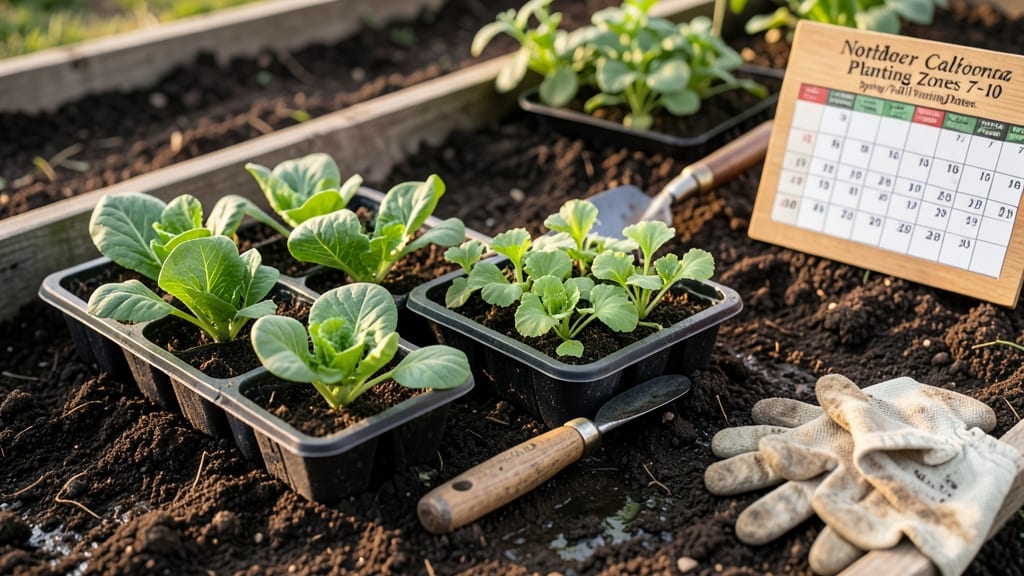
Planting a vegetable garden in Northern California means timing your crops to avoid coastal fog, valley heat, and unpredictable frosts — the difference between a bountiful harvest and a wasted season.
Northern California’s diverse microclimates—from coastal fog to inland heat—can turn planting timelines into a confusing puzzle, but getting it right means the difference between a thriving harvest and wasted seeds.
Whether you're in the Bay Area, Central Valley, or Sierra foothills, the wrong move could leave your 🌱 seedlings shivering in a late frost or wilting under summer’s scorching sun.
This guide breaks down the exact planting windows for your microclimate, from frost-sensitive tomatoes to heat-loving peppers, so you can start seeds indoors or transplant seedlings at the perfect moment. No more guessing—just a clear, region-specific roadmap to maximize your garden’s potential.
You’ll learn how to adjust for urban heat islands, high-altitude areas, and even succession planting for continuous harvests. Ready to turn your Northern California garden into a year-round success? Let’s get started.
Northern California planting zones: how microclimates affect your vegetable garden timing
Northern California’s USDA Zones 8-10 create a gardening paradox—mild winters and long growing seasons, yet wildly different planting windows just 50 miles apart. In coastal areas like Santa Cruz, fog can linger until May 15, while Central Valley spots like Sacramento hit 90°F by June.
These microclimates shift when you can safely plant tomatoes, peppers, and cucumbers by 3-4 weeks—critical for frost-sensitive crops.
Understanding these zones isn’t just about avoiding frost; it’s about timing heat-loving plants to mature before summer’s 100°F+ inland heat or coastal drought stress.
For example, eggplants in Zone 9b (Sacramento) need planting by April 1 to avoid wilting, while Zone 8a (Mount Shasta) gardeners wait until May 15 to prevent frost damage. Let’s break down how to align your planting with these microclimate realities.
🌱
| Microclimate | USDA Zone | Last Frost Date | Tomato Planting Window | Peppers/Cucumbers | Key Challenge |
|---|---|---|---|---|---|
| Coastal (Santa Cruz, San Francisco) | 8a-8b | March 15 - April 1 | April 15 - May 1 (after fog lifts) | May 1 - June 1 (slow start) | Fog delays warming soil |
| Bay Area (Oakland, Berkeley) | 9a-9b | February 15 - March 1 | March 15 - April 15 | April 1 - May 1 | Urban heat islands speed growth |
| Central Valley (Sacramento, Stockton) | 9b-10a | January 15 - February 1 | February 20 - March 15 | March 1 - April 1 | Extreme summer heat (100°F+) |
| Sierra Foothills (Chico, Redding) | 8a-8b | March 1 - April 1 | May 1 - June 1 | June 1 - July 1 | Late frosts and short season |
Notice how Central Valley gardeners plant tomatoes in February while coastal growers wait until April? The difference comes down to soil temperature and frost risk. Inland areas warm faster, but summer heat can shut down growth if plants mature too early.
Conversely, coastal fog delays can keep soil below 50°F until late spring, stalling pepper and cucumber germination.
For frost-sensitive crops, the Bay Area’s urban heat islands create another layer of complexity. Areas like Oakland can be 5-10°F warmer than nearby hills, allowing eggplants to thrive when Berkeley’s coastal edge struggles.
Use local frost maps (like Almanac’s Northern California tool) to pinpoint your exact last-frost date, then adjust planting by 2-4 weeks based on your microclimate.
🌿
One critical mistake is assuming Zone 9b rules apply everywhere. In Sierra foothills, even Zone 8a areas can experience late-May frosts, so wait until June 1 to plant tomatoes.
Meanwhile, Central Valley gardeners must mulch heavily to prevent soil overheating, which can burn roots during 100°F+ days. The solution? Test soil temperature with a soil thermometer—aim for 60°F+ for tomatoes and 70°F+ for peppers.
Pro tip: Succession planting becomes your best friend in these varied zones. In coastal areas, plant lettuce every 2 weeks from February to October to avoid bolting.
In inland zones, focus on heat-tolerant varieties like ‘Arkansas Traveler’ tomatoes or ‘NuMex Rna’ peppers, which handle 95°F+ better than standard types. Even cucumbers benefit from shade cloth in Central Valley summers.
🌡️
Best planting months for zero-frost vegetables by microclimate (with last-frost-date maps)
Northern California’s microclimates create a gardening Goldilocks zone—too early, and frost zaps your seedlings; too late, and summer heat stresses heat-loving crops. The key is aligning your planting schedule with last-frost dates and local conditions.
Urban heat islands (like Sacramento) can push planting windows 2-3 weeks earlier than coastal areas (like San Francisco), while high-altitude foothills may delay planting by weeks.
For zero-frost vegetables like tomatoes, peppers, and basil, timing is everything. These heat-lovers need consistent warmth to thrive, so planting too soon in cooler zones (like USDA Zone 8a) risks stunted growth.
Meanwhile, cool-season crops like kale and carrots can handle light frosts and often do best when sown 4-6 weeks before your last frost date.
Below is a microclimate-specific planting guide, including adjustments for urban heat islands and high-altitude areas. Use these last-frost-date maps as your starting point, then fine-tune based on your local conditions.
For heat-loving crops like eggplant and basil, the Central Valley’s earlier last-frost dates mean you can start transplanting as early as February in protected beds. In contrast, coastal gardeners should wait until April to avoid soil-borne diseases that thrive in cool, damp conditions.
Pro tip: Use black plastic mulch to warm the soil faster in cooler zones.
Adjust your schedule for succession planting—especially in shorter-season areas like the foothills. For example, sow bush beans every 2 weeks from May to July to extend your harvest.
Meanwhile, in the Bay Area, you can squeeze in two full seasons of leafy greens by planting in late summer for a fall harvest and again in early spring.
Remember, these timelines are guidelines. Monitor your local weather forecasts and adjust for unpredictable frosts or heatwaves. With the right timing, you’ll turn Northern California’s microclimates from a challenge into a year-round gardening advantage.