
Planting
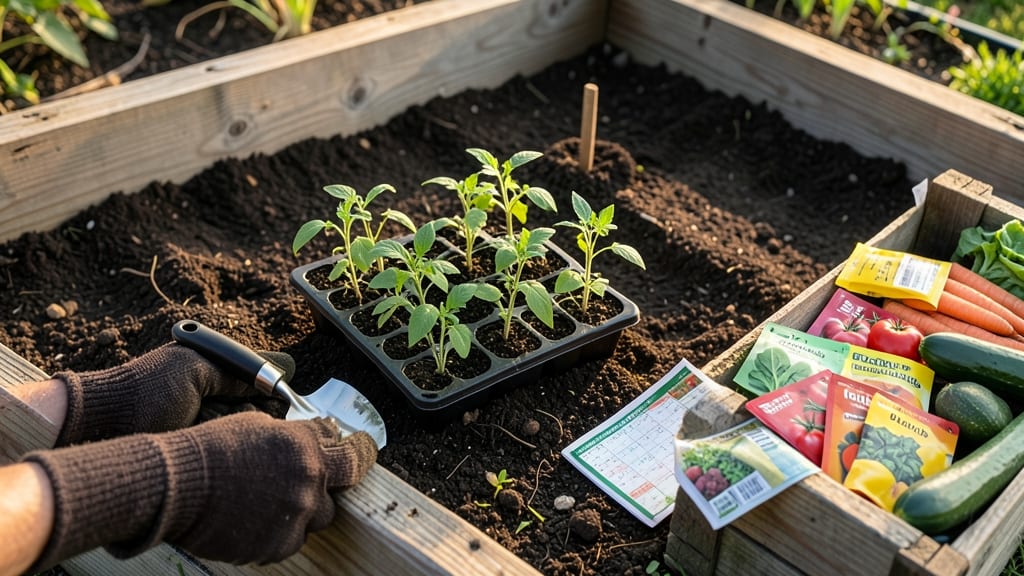
To plant a vegetable garden in Ontario, timing is everything—get it wrong, and your 🥬 crops could freeze before they even sprout.
Ontario’s unpredictable frost dates can turn a thriving vegetable garden into a disappointing failure—or transform it into a bountiful harvest. Whether you’re in Toronto’s 5a-6b zone or London’s slightly warmer climate, knowing when to start seeds indoors, transplant seedlings, or sow directly is the key to success.
Cool-season crops like lettuce and spinach can handle early spring planting, while tomatoes and peppers need to wait until after the last frost—usually mid-May in most regions.
But what if you miss the window? I’ll show you how to stretch your growing season with row covers and other tricks to protect your plants.
In this guide, you’ll discover the exact planting windows for your favorite crops, region-specific frost dates, and how to adjust for microclimates—whether you’re gardening in a city balcony or a rural backyard. Let’s get those seeds in the ground at the perfect time!
Ontario frost dates by region: critical planting windows for vegetables
Ontario’s frost dates vary dramatically across regions, making it essential to know your local last spring frost and first fall frost to avoid frost damage. In Toronto (Zone 6a), the average last frost is May 15, while London (Zone 6b) sees it as early as May 5.
Northern regions like Ottawa (Zone 5b) face later frosts, sometimes until May 25. These differences mean your planting schedule must adapt—what works in Southwestern Ontario may fail in Northern Ontario.
Understanding these critical frost dates helps you time cool-season crops like spinach and kale for early spring or late fall, while warm-season crops such as tomatoes and peppers need to wait until after the last frost.
A 3-week window after the last frost is ideal for transplanting seedlings, but some heat-loving plants may need even longer to thrive. For example, peppers often require 80+ frost-free days to mature, so planting too early in cooler regions risks stunted growth.
Here’s a quick reference for Ontario’s key frost dates by region, along with crop-specific planting windows to maximize your harvest. Use this as your guide to avoid the heartbreak of frost-nipped seedlings or underripe vegetables.
For cool-season vegetables, such as lettuce, spinach, and kale, plant them 4–6 weeks before your region’s last frost date. These cold-hardy crops can even handle light frosts, making them perfect for early spring or late fall harvests.
In Toronto, for example, you can start spinach as early as March 15 under row covers, while London gardeners can begin even earlier, around February 20.
Warm-season crops like tomatoes, peppers, and cucumbers are far more sensitive. They need to be planted 2–3 weeks after the last frost date, but some varieties—like early-maturing tomatoes—can tolerate slightly cooler soil if you use black plastic mulch to warm the ground.
In Northern Ontario, where frosts linger longer, opt for shorter-season varieties or extend your season with row covers.
Don’t forget about fall planting! Many cool-season crops can be sown as late as August 1–15, depending on your region. For instance, broccoli and cabbage planted in early August in Toronto will often survive until October, giving you a second harvest before the first frost.
Use this fall window to squeeze in extra greens, root vegetables, and brassicas.
If you’re unsure about your exact last frost date, check local weather records or use the Ontario Ministry of Agriculture’s frost maps. Alternatively,
Best vegetables to plant in Ontario by month: a month-by-month guide
Timing your vegetable garden in Ontario isn’t just about following a calendar—it’s about outsmarting frost risks and maximizing your growing season. Cool-season crops like spinach and peas thrive in early spring, while warm-season favorites such as tomatoes and peppers need to wait until after the last frost.
Urban gardeners with containers can adjust timelines slightly, but even they must plan carefully to avoid late frosts.
Ontario’s last frost dates vary by region—Toronto averages May 15, while London sees frost-free conditions by early May. First fall frosts hit Toronto around October 15 and London by October 20.
Use these dates as your planting anchors, but always check local forecasts. Succession planting is key for continuous harvests, especially for quick-growing crops like lettuce and radishes.
📅 Ontario Planting Timeline by Month
- March: Start indoor seeds (tomatoes, peppers, basil). Direct-sow hardy greens (spinach, kale) in containers or cold frames.
- April: Plant cool-season crops (lettuce, peas, radishes) outdoors 4–6 weeks before last frost. Harden off indoor seedlings for transplanting.
- May: Transplant warm-season crops (tomatoes, peppers, beans) after last frost. Sow succession crops (bush beans, zucchini) every 2 weeks.
- June: Direct-sow heat-tolerant crops (okra, southern peas). Thin seedlings (carrots, beets). Start fall greens (kale, broccoli) indoors.
- July: Plant fast-maturing crops (bush beans, cucumbers) for late-season harvests. Watch for pests (aphids, squash bugs) and mulch heavily.
- August: Sow cool-season crops (spinach, arugula) for fall harvests. Protect with row covers to extend season.
- September: Plant hardy greens (kale, Swiss chard) and garlic for next year. Harvest late tomatoes before frost.
For container gardening, adjust timelines slightly—containers warm up faster in spring but also dry out quicker. Use heat-retaining pots and plant compact varieties (e.g., 'Patio' tomatoes, 'Bush Blue' lakes). Succession planting is easier in containers; swap out finished crops like radishes with slower-growing lettuce every 3–4 weeks.
Urban gardeners should prioritize fast-growing crops (radishes, lettuce, bush beans) to maximize space. Vertical gardening with trellises for peas or cucumbers saves room. Always check soil temperature—most seeds need soil at 10°C (50°F) to germinate, except peas and spinach, which tolerate cooler soil.
Don’t forget to harvest regularly to encourage new growth. For example, zucchini and cucumbers produce more when picked young. In late summer, mulch heavily to protect roots from temperature swings. With this schedule, you’ll enjoy fresh homegrown veggies from May through October!