
Planting
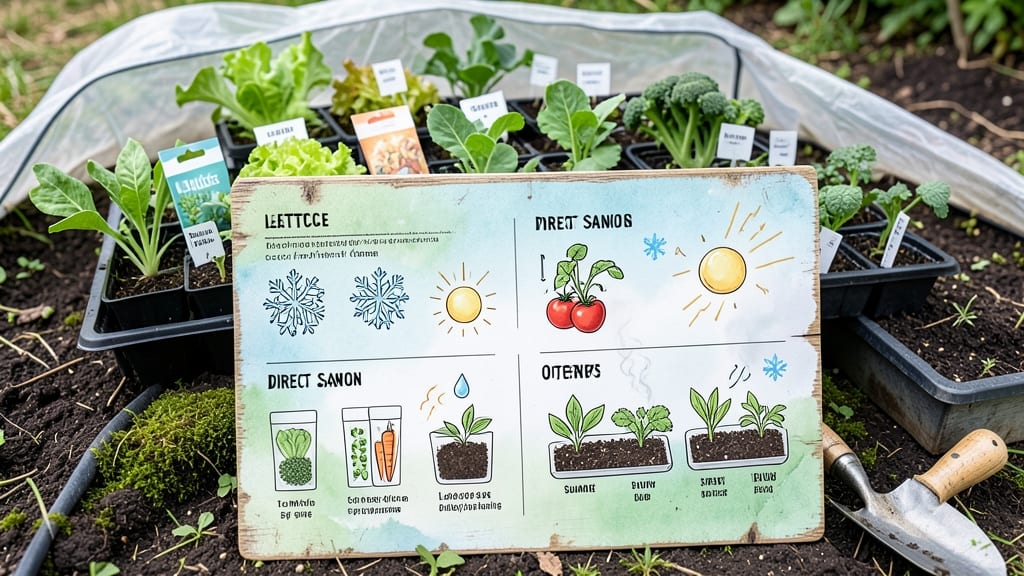
Planting a vegetable garden in Seattle at the right time means the difference between a bountiful harvest and a wilted disappointment—and the window is narrower than you’d think.
Seattle’s unpredictable weather can turn your vegetable garden dreams into a gamble—unless you know the exact planting windows for zero-frost risk crops. Get the precise timing tailored to Seattle’s microclimates to maximize yields and avoid frost damage.
With USDA Zone 8a conditions, the last frost typically hits around mid-April, but urban heat islands and frost pockets mean your neighbor’s success might not match yours.
Cool-season crops like lettuce and peas can go in as early as March, while tomatoes and peppers need to wait until after May 15 to avoid a chilly surprise.
Below, I break down the optimal planting schedule for Seattle’s most productive vegetables, including how to stretch your season with row covers and when to start seeds indoors for a head start. No more guessing—just data-driven timing for your 🥬 garden’s best chance at success.
Seattle’s frost-free planting zones: when to start seeds vs. transplants by microclimate
Seattle’s USDA Zone 8a/8b classification hides dramatic differences between its West Side (milder, wetter) and East Side (colder, drier) microclimates. These variations mean your tomato seedlings might thrive in Ballard while freezing in Kenmore on the same night.
Understanding these zones helps you align your seed-starting dates and transplant windows with local frost risks.
For heat-loving crops like peppers, cucumbers, and eggplants, timing is everything. Plant too early, and a late-May frost (which happens every 3-5 years) can wipe out your garden. Plant too late, and your 60-day tomatoes won’t mature before the first October frost.
Seattle’s average last frost date is April 15, but microclimates shift this by 1-2 weeks—earlier in urban heat islands, later in frost pockets.
Key takeaway: Urban areas (like Downtown or Fremont) warm up faster, while rural spots (like Snoqualmie Valley) stay colder longer. Adjust your seed-starting indoors and transplanting outdoors accordingly to avoid disappointment.
To maximize your tomato yields, start seeds 6-8 weeks before transplanting—so if you’re on the West Side, begin by March 15.
For peppers and eggplants, which need longer warm seasons, delay until April 1 even in urban areas. Cucumbers, though frost-sensitive, can handle slightly cooler soil (55°F+) and tolerate earlier transplanting by 10-14 days.
Use a soil thermometer to confirm readiness—60°F soil is ideal for tomatoes, while 55°F works for cucumbers. If your garden bed feels cooler, opt for black plastic mulch to warm the soil faster. This trick adds 2-3 weeks to your growing season, especially critical for East Side gardens.
Pro tip: Transplant on a cloudy day to reduce shock. Harden off seedlings by moving them outdoors for 1-2 hours daily starting 1 week before transplanting. This gradual adjustment helps pepper plants (which are especially sensitive) survive the shock of moving from indoors to your garden plot.
For succession planting, sow bush beans every 2 weeks from May through July. Their 50-day maturity ensures a steady harvest before frost. Meanwhile, zucchini, with its 45-day harvest window, thrives when planted after May 15—just in time for Seattle’s summer heat waves.
Monitor WSU Extension’s frost alerts for real-time updates. Their AgWeatherNet tool provides hyper-local frost predictions. If a late frost is forecasted, cover tomato seedlings with frost cloth or move potted plants to a sunny windowsill temporarily. This simple step can save your $20 starter plants from a $0 harvest.
Remember: Seattle’s short growing season demands precision. By aligning your planting calendar with your microclimate, you’ll turn unpredictable weather into a predictable harvest. Start with these timelines, adjust based on your yard’s unique conditions, and watch your vegetable garden thrive—frost-free! 🌱
Zero-frost risk crops for Seattle: 5 fastest-growing vegetables to plant after May 15
After Seattle’s last frost date (typically May 15), the real fun begins for gardeners eager to grow heat-loving crops. The key to success? Choosing fast-maturing vegetables that thrive in our short growing season. These five zero-frost risk crops will reward you with bountiful harvests before fall sets in.
Seattle’s USDA Zone 8a climate means we can grow warm-season crops like bush beans and zucchini without worrying about late frosts. The trick is planting them at the right time—when soil temperatures hit 60°F or higher—and pairing them with companion plants to maximize space and deter pests.
🌱 5 Fastest-Growing Zero-Frost Risk Crops for Seattle
- 1
- 2
- 3
- 4
- 5
Bush beans (50-60 days to harvest): Plant May 15-June 15 in full sun with well-draining soil. Pair with corn or cucumbers to improve growth.
Zucchini (45-55 days): Start seeds May 20-June 10 in 6+ hours of sun. Plant near nasturtiums to repel pests like squash bugs.
Basil (30-45 days): Sow seeds May 25-June 20 in partial shade (afternoon protection). Avoid planting near rue or sage, which stunt growth.
Cucumbers (50-70 days): Plant May 20-June 15 on a trellis to save space. Companion with radishes or beans to improve flavor and deter pests.
Swiss chard (50-60 days): Sow seeds May 15-July 1 in partial sun. Plant near beets or lettuce for a thriving microclimate.
For all these crops, soil temperature is critical. Use a soil thermometer to confirm it’s at least 60°F before planting. If your soil is cooler, wait a few days—rushing can stunt growth or invite pests.
Another pro tip: Mulch heavily after planting to retain moisture and regulate soil temperature. I use straw mulch for beans and zucchini, which also suppresses weeds. Pair this with drip irrigation to keep roots consistently moist without overwatering.
Seattle’s short growing season demands efficiency, so focus on succession planting for crops like basil and cucumbers. For example, sow bush bean seeds every 2 weeks from May through June to ensure a steady harvest.
This tactic works wonders for zucchini too—plant a second batch in early July for a late-summer bounty.
By choosing these fast-maturing, heat-tolerant crops and following their ideal planting windows, you’ll turn Seattle’s unpredictable weather into an advantage. Happy gardening—your kitchen (and taste buds) will thank you! 🌿