
Planting
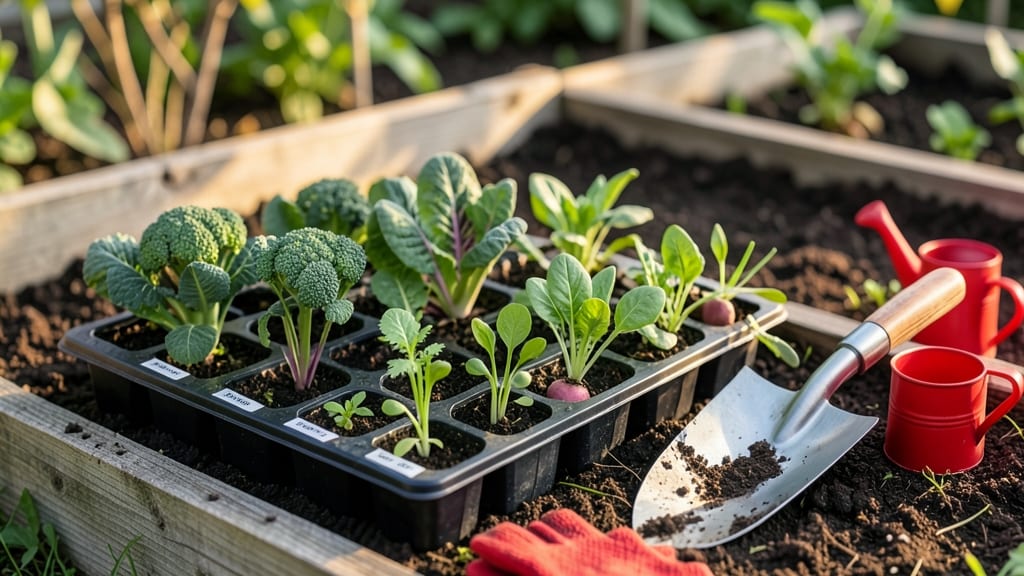
Planting your fall garden in Alabama between mid-August and early October gives heat-loving crops like okra and sweet potatoes just enough time to mature before the first frost hits.
Alabama’s long, hot summers can make fall gardening a challenge—but planting the right crops at the perfect time ensures a bountiful harvest before the first frost. Timing is everything, and missing the window by even a week could mean stunted growth or wasted seeds.
With USDA zones 7a-8b, Alabama gardeners have a unique advantage: the ability to grow crops that thrive in late-summer heat while still enjoying a fall harvest. The key is choosing fast-maturing varieties and understanding your region’s frost dates.
In this guide, I’ll walk you through the best planting windows for North, Central, and South Alabama, the top heat-tolerant vegetables for your fall garden, and how to extend your growing season before frost arrives.
Optimal planting dates for Alabama’s fall garden by region
Alabama’s diverse climate means planting dates vary dramatically from the cooler North to the warmer South. Understanding these regional differences helps you avoid late-season failures and maximize your fall harvest.
The key is planting 4-6 weeks before your area’s first frost, which typically arrives between mid-November and early December.
In North Alabama (USDA Zones 6b-7a), cooler temperatures arrive earlier, giving gardeners a longer window for cool-season crops. Meanwhile, South Alabama (Zones 7b-8a) holds onto summer heat longer, allowing for heat-loving crops like okra and sweet potatoes well into October.
Central Alabama falls somewhere in between, with microclimates creating even more nuanced planting opportunities.
Below is a region-specific breakdown of when to plant your fall garden, including heat-tolerant crops that thrive in Alabama’s late-summer conditions. These timelines account for soil temperatures, daylight hours, and local frost patterns to ensure your plants establish strong roots before winter sets in.
For North Alabama, start sowing heat-tolerant crops like okra and sweet potatoes as early as late July to take advantage of the remaining summer heat. By mid-August, shift to cool-season crops such as spinach and kale, which thrive in the cooler fall temperatures.
In this region, soil temperatures drop below 50°F by October, signaling it’s time to focus on frost-hardy vegetables.
Gardeners in Central Alabama have the most flexibility, thanks to its moderate climate. You can plant heat-loving crops like collards and okra until mid-October, while cool-season crops like lettuce and radishes can be sown as late as early November.
This extended window allows for successional planting, ensuring a continuous harvest well into winter.
In South Alabama, where frost is rare until late December, you can push the limits even further. Plant okra and peanuts as late as early November for a fall harvest, while mustard greens and collards can be sown until mid-November.
The longer growing season here means you can experiment with unusual crops like Malabar spinach, which thrives in warm conditions.
Regardless of your region, always check soil temperatures before planting. Use a soil thermometer to ensure cool-season crops are planted in soil that’s at least 50°F. If temperatures are too warm, your seeds may rot or sprout too quickly, leading to weak, leggy plants.
For heat-tolerant crops, aim for soil temps between 70°F and 90°F for optimal germination.
Pro tip: Use row covers or cold frames to extend your planting season by 2-4 weeks. These tools protect young plants from unexpected early frosts while allowing sunlight to penetrate.
In North Alabama, this can mean an extra month of harvesting leafy greens, while in South Alabama, it helps protect tender crops like arugula from late-season heat spikes.
Remember, Alabama’s humidity and heat retention create unique challenges. Always mulch heavily to retain moisture and regulate soil temperature. In South Alabama, where humidity is high, choose disease-resistant varieties of crops like tomatoes and peppers to avoid fungal issues.
By following these region-specific timelines and adjusting for local microclimates, you’ll be well on your way to a productive and rewarding fall garden
Best heat-tolerant fall vegetables for Alabama’s climate
Alabama’s late-summer heat can feel like a gardener’s worst enemy, but with the right heat-tolerant vegetables, you can still enjoy a productive fall harvest. These crops thrive in 80°F+ temperatures and won’t bolt or wilt when cooler weather arrives.
The key is choosing varieties that handle high humidity and intense sunlight while still maturing before the first frost—typically around mid-November.
For successful planting, focus on warm-season crops that transition well into fall. These include okra, southern peas, kale, and turnips, all of which can handle Alabama’s hot, sticky conditions.
Proper soil preparation and watering schedules are critical—these crops need well-draining soil and consistent moisture to avoid stress.
🌱 Styled List: Alabama’s Top Heat-Tolerant Fall Vegetables
- Okra | Plant 1-1.5 inches deep, 12-18 inches apart. Companion plant with tomatoes or peppers. Harvest 50-60 days after planting.
- Southern Peas (Cowpeas) | Sow 1 inch deep, 3-4 inches apart. Pair with squash or corn. Ready in 60-90 days.
- Kale (Lacinato or Red Russian) | Plant 0.5 inches deep, 12-18 inches apart. Grows well with onions or beets. Harvest in 45-60 days.
- Turnips (Tokyo Cross or Purple Top) | Sow 0.5 inches deep, 2-3 inches apart. Companion plant with cabbage or carrots. Harvest greens in 30-40 days, roots in 50-60 days.
Before planting, amend your soil with compost to improve drainage—Alabama’s clay-heavy soil can trap heat and moisture, leading to root rot.
For okra and southern peas, add a balanced fertilizer (10-10-10) at planting and again when flowers appear. Kale and turnips, on the other hand, prefer nitrogen-rich soil but don’t over-fertilize, as this can cause bitter flavors.
Watering is another critical factor. These crops need deep, infrequent watering—about 1-1.5 inches per week—to encourage strong root systems. Water in the early morning to reduce evaporation and fungal risks.
Mulch with straw or pine needles to retain moisture and regulate soil temperature, especially during Alabama’s hot afternoons.
Companion planting can also boost your fall garden’s success. For example, okra thrives near tomatoes, which deter pests, while kale pairs well with onions to repel cabbage moths.
Rotate crops annually to prevent soil-borne diseases, a common issue in Alabama’s humid climate. By following these tips, you’ll maximize your harvest before the first frost hits!
Don’t forget to monitor your garden for pests like aphids or diseases such as powdery mildew, which thrive in Alabama’s heat and humidity. A quick spray of neem oil or soapy water can keep these issues at bay without harming your plants.
With the right crops and care, your fall garden will be a bountiful success—even in the heat! 🌿