
Planting
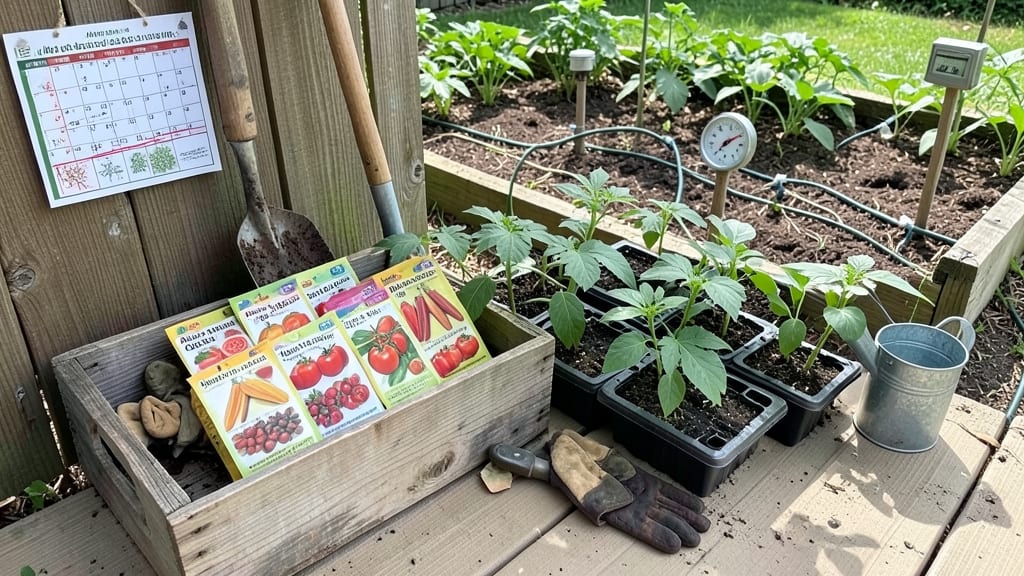
Planting a garden in Alabama at the right time means the difference between a bountiful harvest and a sad, wilted mess before summer even hits.
Alabama’s warm climate and long growing season make it a gardener’s paradise—but planting at the wrong time can mean wasted seeds and stunted crops. Whether you’re in the cooler hills of North Alabama or the steamy lowlands near Mobile, timing is everything.
Most vegetables thrive when planted in early spring, but heat-loving crops like okra and sweet potatoes need to wait until soil temperatures hit 65°F or higher. That’s why knowing your frost-free dates and heat zones (7A-8B) is the key to avoiding common mistakes.
In this guide, I’ll break down the exact planting windows for zero-frost crops, soil prep tips, and how to adjust for microclimates—so you can grow a thriving garden all season long.
Alabama planting zones: when to start seeds vs. transplanting vegetables
Alabama spans USDA Zones 7A-8B, meaning our growing season stretches longer than most northern states. In Zone 7A (north Alabama like Huntsville), last frosts average March 15-April 1, while Zone 8B (south Alabama like Mobile) sees zero frost risk after February 15.
These differences drastically impact when to start seeds indoors vs. transplanting hardy seedlings.
For cool-season crops like lettuce and peas, I start seeds indoors 8-10 weeks before last frost—that’s January 15-February 1 in Zone 7A and December 15-January 15 in Zone 8B. Meanwhile, warm-season favorites (tomatoes, peppers) need soil temps above 60°F—wait until April 15-May 1 in northern Alabama or March 15-April 1 in southern regions.
Here’s my go-to reference for Alabama’s planting timeline, including seed-starting vs. transplanting windows by crop type:
Microclimates play a huge role in Alabama. For example, Birmingham’s urban heat island can be 5-10°F warmer than rural areas, while coastal Mobile stays humid longer. I always adjust my transplanting dates by 1-2 weeks based on local conditions—check your nearest weather station for real-time soil temps.
For seed-starting indoors, I use grow lights to extend the season. My go-to schedule is 14-16 hours of light daily, keeping temps at 70-75°F. Harden off seedlings for 7-10 days before transplanting—this is critical in Alabama’s humid climate to prevent shock.
In Zone 8B, I often plant two full seasons: a spring crop (March-May) and a fall crop (July-September). For example, I direct-sow okra in late April and black-eyed peas in late June—both thrive in our summer heat.
Don’t forget about soil preparation. Alabama’s clay-heavy soils need amendments like compost or pine bark fines to improve drainage. I test my soil in early spring and add lime if needed—aim for a pH of 6.0-6.8 for most vegetables.
Pro tip: Use row covers to protect early spring transplants from late frosts, which can still hit Zone 7A until April 15. I’ve saved entire broccoli and cabbage crops this way!
Finally, remember that Alabama’s humidity affects planting too. I always water deeply in the morning to prevent fungal diseases like powdery mildew, which thrives in our sticky summer air.
Best zero-frost vegetables for Alabama’s summer heat & how to time them
Alabama’s summer heat can be brutal on most vegetables, but some crops thrive in the 90°F+ temperatures and high humidity. The key is planting at the right time and using companion planting to prevent bolting or wilting.
These zero-frost vegetables—okra, sweet potatoes, black-eyed peas, peppers, and tomatoes—are your best bets for a productive summer garden.
Timing is everything in Alabama’s climate. Plant too early, and your crops may bolt or rot before producing. Plant too late, and you risk a shortened harvest window before the first frost.
Below, I’ve outlined the exact planting windows by month, spacing requirements, and companion planting tips to keep your garden thriving all summer long.
- 🌱 March-April: Start okra and sweet potato slips indoors or plant directly after last frost (mid-March in South Alabama, late March in North).
- 🌱 April-May: Plant black-eyed peas and peppers (bell, jalapeño, cayenne) once soil temps hit 65°F+. Transplant tomatoes after soil warms (late April in South, May in North).
- 🌱 May-June: Succession plant okra every 2-3 weeks for continuous harvest. Avoid planting tomatoes after June 15—this is the danger zone for bolting.
- 🌱 June-July: Direct-sow sweet potatoes in warm soil (70°F+). Mulch heavily to retain moisture and prevent wilting in peak heat.
- 🌱 July-August: Plant fall varieties of peppers and black-eyed peas for a late-season harvest. Use shade cloth if temps exceed 95°F.
Spacing is critical for airflow and disease prevention. Okra needs 12-18 inches apart in rows spaced 3 feet apart, while sweet potatoes should be planted 12 inches apart in hills. Peppers and tomatoes thrive with 18-24 inches between plants, and black-eyed peas do best in 4-inch spacing in rows 12 inches apart.
Companion planting can make or break your summer harvest. Pair okra with basil or onions to deter pests, and plant peppers near tomatoes to improve flavor and repel aphids.
Avoid planting tomatoes and peppers together—they compete for nutrients and attract similar pests. For sweet potatoes, interplant with marigolds to deter nematodes.
Watch for the danger zone: Late June through August can push even heat-tolerant crops to their limits.
If daytime temps hit 95°F+, provide afternoon shade for tomatoes and peppers and mulch heavily to retain moisture. Okra and sweet potatoes can handle the heat better but may still wilt without consistent watering.
With the right timing and care, these zero-frost vegetables will reward you with a bountiful summer harvest—even in Alabama’s sweltering heat. Start early, space properly, and use companion plants to keep your garden thriving until fall. Happy planting! 🌿