
Planting
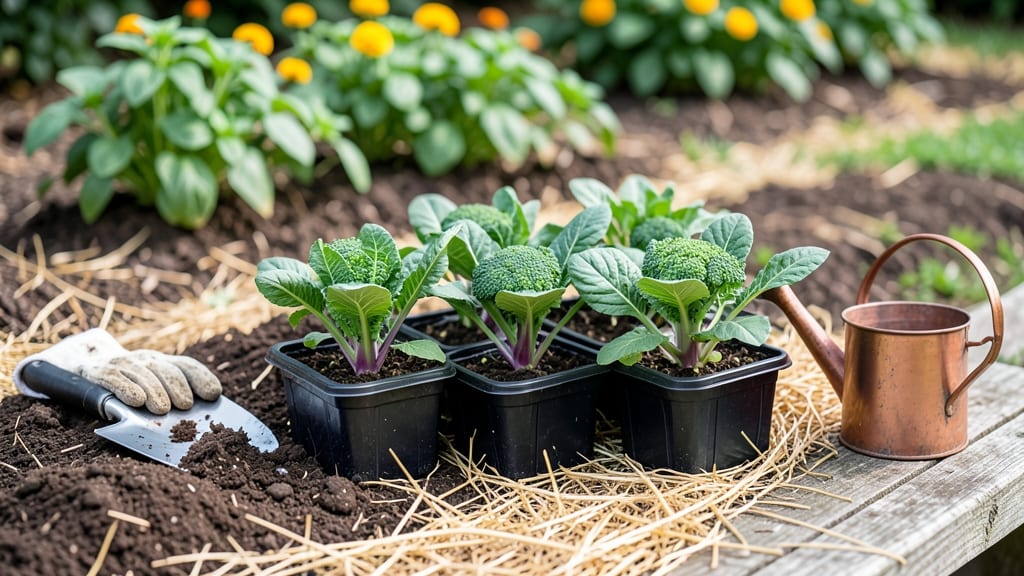
Planting a fall garden in Florida means timing it right to avoid heat stress or early frosts—your best window starts mid-July for heat-tolerant crops like okra and sweet potatoes.
Florida’s long growing season is a gardener’s dream, but one wrong move can turn your fall harvest into a flop. Too early, and you’ll battle summer heat; too late, and frost sneaks in before your crops mature. The key? Planting at the perfect moment for your region.
This isn’t just about dates—it’s about matching crops to Florida’s unique climate. Heat-loving greens like collards thrive in August, while cooler-season crops like carrots need to go in by September. The right timing also means soil prep, watering strategies, and knowing which varieties hold up best.
Below, I break down the exact timeline for North, Central, and South Florida, plus the top 5 heat-tolerant crops you must grow. No more guessing—just a foolproof plan for a bountiful fall harvest.
Florida fall planting timeline by region: exact dates for zero-frost crops
Florida’s fall gardening season offers a second chance for bountiful harvests, but timing is everything. Unlike northern states, Florida’s three distinct regions experience different heat patterns and frost risks.
Plant too early, and you’ll face summer heat stress; too late, and you’ll miss the optimal 90-day growing window before potential frosts. Here’s your region-specific roadmap for zero-frost success with heat-tolerant crops.
North Florida (Zones 7b-8a) has the earliest frost risk, often between November 15-30, while Central Florida (Zones 8b-9a) typically sees frosts December 1-15.
South Florida (Zones 9b-11) rarely faces frost, but hurricane season can disrupt planting. Understanding these microclimates ensures you plant at the perfect moment for maximum yields.
Below is your region-specific planting calendar for heat-tolerant crops like okra, sweet potatoes, collards, and peppers. These crops thrive in Florida’s fall warmth and can handle brief temperature dips. For frost-sensitive varieties, aim to harvest before the first expected frost date in your area.
🌱
For North Florida, start planting okra and sweet potatoes by mid-August to ensure they mature before the first frost.
These crops love the warm soil and can handle brief temperature drops. Collards and mustard greens can tolerate cooler fall nights, so add them to your succession plantings in early September.
Central Florida gardeners have a longer window to work with. Begin with tomatoes and peppers in early August, then follow up with kale and turnips in late September. These cool-season crops will thrive as temperatures drop, and you can even extend your harvest into early winter with row covers.
In South Florida, where frosts are rare, you can plant year-round, but fall is ideal for heat-tolerant crops like Malabar spinach and winter melons. Start your first planting as early as mid-July and continue through October for a continuous harvest.
Just watch for hurricane warnings, which may delay outdoor work.
Succession planting is key to extending your harvest. For example, plant okra every 2-3 weeks from August through October in North Florida. This ensures a steady supply of pods before the first frost.
Similarly, in Central Florida, stagger kale plantings every 3 weeks to enjoy fresh greens through December.
If you’re a late starter, don’t panic! Focus on fast-maturing crops like bush beans or radishes, which can be planted as late as mid-October in North Florida and early November in Central Florida. These crops will harvest quickly before the first frost arrives.
Prepare your soil in early August by adding compost and a balanced fertilizer (10-10-10) to give your fall crops a nutrient boost.
Test your soil’s pH level—most vegetables prefer a slightly acidic to neutral range (6.0-7.0). Sweet potatoes, for instance, thrive in sandy, well-draining soil, while collards prefer rich, loamy soil.
💧 Mulch heavily with straw or pine needles to retain moisture and regulate soil temperature. This is especially important in North Florida, where temperature swings can stress
Heat-tolerant vs. frost-resistant crops: what to plant in Florida’s fall garden
Florida’s fall garden success hinges on understanding two key crop categories: heat-tolerant varieties that thrive in lingering summer warmth and frost-resistant crops that handle light chills. The wrong choice means struggling with wilting tomatoes or frost-damaged greens.
Let’s break down which crops excel in each category and how to pair them for maximum harvests.
Heat-tolerant crops like okra, sweet potatoes, and collard greens dominate Florida’s fall gardens because they handle temperatures above 85°F without stress. Meanwhile, frost-resistant crops such as kale, radishes, and carrots can survive brief dips below 32°F with proper protection. The trick? Plant heat-lovers early and frost-tolerant varieties as temperatures dip.
Heat-Tolerant vs. Frost-Resistant Crops: Florida Fall Planting Guide
- ✅ Plant August-September for harvest before frost
- ✅ Handle 90°F+ temperatures without stress
- ✅ Examples: Okra, Sweet Potatoes, Southern Peas
- ⚠️ Avoid: Lettuce, Spinach, Broccoli (bolt in heat)
- ✅ Plant September-October for late harvests
- ✅ Survive 28-32°F with row covers
- ✅ Examples: Kale, Radishes, Carrots, Turnips
- ⚠️ Avoid: Tomatoes, Peppers, Basil (frost-sensitive)
My top 5 fall crops for Florida combine both categories. Start with collard greens—they’re heat-tolerant until 80°F and handle light frosts. Next, plant okra for a late-summer harvest before temps drop. For frost resistance, radishes mature in 25 days and can handle 30°F with row covers.
Soil prep is critical. Test your soil’s pH (6.0-6.8 is ideal) and amend with compost for heat-tolerant crops. For frost-resistant varieties, add aged manure to boost cold hardiness. Space heat-lovers like sweet potatoes 18 inches apart and frost-tolerant carrots 2 inches apart in rows 12 inches apart.
Watering strategies differ too. Heat-tolerant crops need deep watering every 2-3 days to prevent bolting, while frost-resistant crops benefit from morning watering to reduce evening moisture (which increases frost risk). Mulch all plants with 2-3 inches of straw to regulate soil temperature.
Don’t forget succession planting! Sow radishes every 2 weeks from September to October for continuous harvests, and transplant broccoli in late September for a frost-resistant crop that sweetens after light chills. With this balance, your fall garden will deliver harvests from September through December—even in Florida’s unpredictable climate.