
Planting
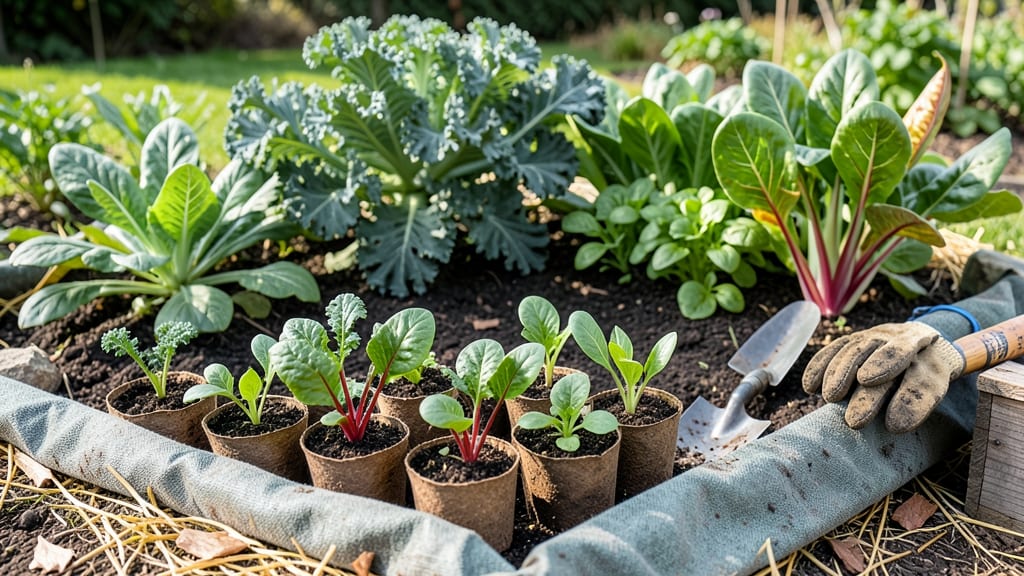
To plant a winter garden in Florida, aim for late September through November — when soil temps stay warm enough to kickstart growth but nights are cool enough to slow pests.
Here’s the catch: Florida’s 300+ frost-free days and microclimates mean your North Florida garden thrives on a different schedule than your South Florida plot. Plant too early, and you’ll battle heat stress; too late, and slugs move in before your 🥬 greens even sprout.
This guide breaks down the ideal planting windows by region, plus how to tweak timing based on elevation, urban heat, and soil prep — so you avoid the common mistakes that turn winter harvests into summer struggles.
You’ll learn exactly which crops to start in August (yes, really), how to use soil thermometers for precision, and the one trick that cuts slug damage by 70%. Ready to grow fresh greens through Florida’s mild winter?
Florida’s winter planting calendar by microclimate Zone
Florida’s winter garden success hinges on understanding your microclimate zone. While the state rarely sees frost, North Florida (Zones 8a-9a) faces cooler temps earlier than South Florida (Zones 10a-11). Central Florida (Zones 9a-9b) sits comfortably in between.
Let’s break down the ideal transplanting windows for your favorite cold-hardy crops like lettuce, broccoli, and carrots, tailored to each region.
For North Florida, where temperatures can dip below 40°F in December, start your cool-season crops in September for a fall harvest. By October-November, you’ll transplant heartier varieties like kale and broccoli to avoid winter stress.
In Central Florida, you’ve got flexibility—August-September is prime for sowing seeds, with October-November perfect for transplanting. Meanwhile, South Florida gardeners can plant almost year-round, but September-October ensures the best winter yields.
Here’s your microclimate-specific planting calendar, including frost-free guarantees and crop-specific timing to maximize your harvest.
In North Florida, prioritize fast-maturing varieties like baby leaf lettuce (30-40 days) to harvest before December’s chill. Use black plastic mulch to warm soil and extend the season.
For Central Florida, where nights dip to 50°F but rarely frost, focus on broccoli and cauliflower transplants in November. These crops thrive with consistent moisture and well-draining soil—critical to avoid rot in Florida’s humid winters.
South Florida gardeners enjoy the longest growing window, but even here, heat-sensitive crops like lettuce need afternoon shade in December-January. Take advantage of collard greens and mustard greens, which tolerate heat better and can be harvested year-round.
For all regions, soil temperature is your best guide—aim for 60-75°F for seed germination and 50-65°F for transplanting.
Pro tip: Use a soil thermometer to monitor conditions. If temps drop below 50°F, delay planting leafy greens like spinach, which bolt quickly in cool soil. Instead, opt for kale or Swiss chard, which handle mild frosts and sweeten with light chilling.
In South Florida, where frost is rare, focus on succession planting every 2-3 weeks to ensure a continuous harvest.
Don’t forget to mulch heavily (2-3 inches of straw or pine needles) to insulate roots and retain moisture. In North Florida, this is especially critical during December’s occasional cold snaps. For potted plants, move
How to adjust planting times for your specific microclimate
Florida’s microclimates can vary dramatically even within a 50-mile radius. A high-elevation spot in the Panhandle might experience cooler nights than a coastal Miami garden just 30 miles away. Understanding these variations lets you fine-tune your planting schedule for optimal growth.
Start by identifying your local microclimate—factors like elevation, proximity to water, and urban heat islands all play a role. For example, rural areas tend to stay cooler than city centers, while low-lying spots near lakes or oceans may have warmer soil year-round.
These nuances can shift your ideal planting window by 2-4 weeks.
Key Adjustments for Your Microclimate
- 📍 Elevation: Add 1 week later for every 1,000 feet above sea level (e.g., Apalachicola vs. Tallahassee).
- 💧 Water bodies: Plant 2 weeks earlier near coasts or lakes—soil stays warmer longer.
- 🏙️ Urban areas: Delay planting by 10-14 days—asphalt and concrete trap heat, mimicking Zone 9 conditions.
- 🌡️ Soil thermometers: Aim for 60°F+ for seeds, 65°F+ for transplants. Check morning temps (soil cools overnight).
- 🗺️ Heat maps: Use USDA Plant Hardiness or local extension service tools to overlay your address with microclimate data.
Use a soil thermometer to monitor temperatures—this is your most reliable tool for adjusting timing. For example, lettuce seeds need soil at 60°F+, while broccoli transplants thrive at 65°F+.
If your morning soil temp is 58°F, wait 5-7 days or use black plastic mulch to warm it faster.
Heat maps from the University of Florida IFAS Extension can reveal hidden patterns. For instance, a Gainesville garden might align with Zone 8b, but a neighborhood 5 miles east could feel like Zone 9a due to lake breezes.
Overlay these maps with your planting calendar to pinpoint the perfect window for your specific spot.
Don’t overlook urban heat islands. Concrete and pavement in cities like Orlando or Tampa can raise soil temps by 5-10°F, making late October feel like early November elsewhere.
If your garden is surrounded by buildings or pavement, consider shade cloth or drip irrigation to protect young plants from heat stress.
For precision planting, combine these tools: use a soil thermometer for daily checks, cross-reference with heat maps, and adjust your planting date by 3-5 days based on your microclimate. With these tweaks, your winter garden will thrive—no matter where you are in Florida. 🌱