
Planting
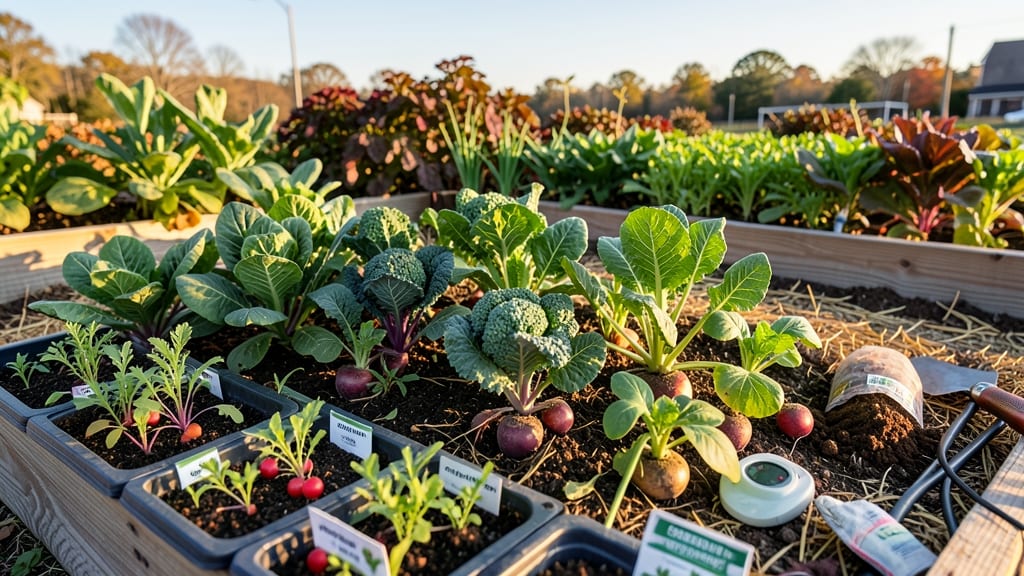
Planting a fall garden in Louisiana means starting between mid-August and early October to beat the heat and frost 🥕—but the real secret is choosing crops that love the late-summer sun.
Here’s the catch: too early, and your greens bolt into flowers before you can harvest. Too late, and a surprise frost wipes out your effort.
Louisiana’s humid subtropical climate gives you a narrow window to get it right, but with the right crops and timing, you can enjoy fresh collards, sweet potatoes, and turnips straight through December.
Most gardeners in 8a-9b zones swear by okra and southern peas for their heat tolerance, while leafy greens like kale and mustard thrive once temperatures dip. The key is soil prep—rich, well-draining earth holds moisture better in the heat—and a mulch layer to keep roots cool.
Below, I break down the exact planting dates by region, the top 5 heat-tolerant crops for Louisiana’s fall garden, and how to stretch your harvest until the first frost. Spoiler: it’s all about timing, shade cloth, and a little luck with the weather.
Louisiana fall planting calendar: best dates by region and heat-tolerant crops
Louisiana’s fall gardening season offers a second chance for harvests when summer crops fade—but the timing is critical. The state’s three distinct regions (North, Central, and South) experience varying frost dates, so planting too early risks heat stress, while late planting may mean frost damage before maturity.
Heat-tolerant crops like okra, sweet potatoes, and collards thrive in late summer’s lingering warmth, giving you a head start before cooler weather arrives.
To maximize your fall garden, start by identifying your USDA hardiness zone. Northern Louisiana (Zone 8a) faces earlier frosts, while Southern Louisiana (Zone 9b) enjoys extended growing seasons.
Central Louisiana (Zone 8b) falls in between. First frost dates typically range from mid-November in the north to late December in the south, so plan accordingly to harvest before the cold sets in.
Here’s your region-specific planting calendar, including ideal dates for direct sowing and transplanting heat-tolerant crops that will carry you through fall’s cooler months.
| Region | Direct Sow Start | Transplant Start | Heat-Tolerant Crops | First Frost Date |
|---|---|---|---|---|
| North Louisiana (Zone 8a) | Mid-August to Early September | Late July to Mid-August | Okra, Southern Peas, Sweet Potatoes, Collards, Turnips | Mid-November |
| Central Louisiana (Zone 8b) | Late August to Mid-September | Early August to Late August | Okra, Sweet Potatoes, Kale, Mustard Greens, Black-Eyed Peas | Late November |
| South Louisiana (Zone 9b) | Early September to Late September | Late August to Early September | Okra, Sweet Potatoes, Collards, Spinach, Carrots | Late December |
For direct sowing, start with fast-maturing crops like okra and southern peas in mid-August for North Louisiana, as they can handle the residual heat.
In Central and South Louisiana, extend this window until late September to take advantage of warmer soils. Transplanting should begin earlier—late July for North Louisiana—to give seedlings time to establish roots before the heat peaks.
Heat-tolerant crops are your best bet for a successful fall garden. Okra and sweet potatoes thrive in temperatures up to 95°F and can even be planted in early August in South Louisiana. Collards and turnips tolerate mild heat but prefer cooler fall temperatures, so plant them in late August to early September for a harvest before frost. Southern peas, like purple hulls and crowders, are another excellent choice—they fix nitrogen in the soil and produce well in warm conditions.
Adjust your planting schedule based on microclimates. Urban areas may experience earlier frosts than rural regions, while gardens near large bodies of water (like Lake Pontchartrain) can enjoy warmer microclimates that delay frost.
Monitor local weather forecasts and use frost-free date calculators from the Louisiana State University AgCenter to fine-tune your timeline.
If you’re planting leafy greens like kale or spinach, wait until late September to avoid bolting in the heat. These crops prefer cooler temperatures and will thrive as fall progresses.
For root vegetables, such as carrots and beets, direct sow in early September to allow enough time for harvest before the ground hardens in winter.
Pro tip: Use shade cloth or row covers to protect young seedlings from intense afternoon sun during late summer. This simple step can mean the difference between wilting plants and a thriving garden.
Mulch with straw or wood chips to retain soil moisture and regulate temperature, especially in sandy soils common across Louisiana.
Remember, the key to a successful Louisiana fall garden is balance. Plant heat-loving crops early and cool-season crops later to stagger your harvest. With the right timing and crop selection, you’ll enjoy a bountiful fall harvest that lasts well into winter—even if frost arrives early. Happy planting! 🌱
How to extend your Louisiana fall garden season: soil prep, mulching, and frost protection
Louisiana’s fall garden thrives when you prepare your soil to retain heat longer while gradually cooling as winter approaches. The key is balancing soil warmth for early planting with frost protection as temperatures drop.
Start by testing your soil’s organic matter content—aim for at least 3-5% to improve heat retention and moisture retention. In USDA zones 8a-9b, your soil should stay warm enough for heat-tolerant crops like collards and turnips until mid-October.
Mulching is your secret weapon for extending the season. Organic mulches like straw or shredded leaves insulate soil, keeping roots warm in early fall while gradually cooling as winter nears. Apply a 3-inch layer after planting to lock in moisture and regulate temperature swings.
For urban gardens with limited space, use black plastic mulch to absorb heat during the day and radiate warmth at night—ideal for southern Louisiana’s longer growing season.
🌱 5 Steps to Extend Your Louisiana Fall Garden
- 🌡️ Test soil temperature before planting—ideal range is 60-85°F for fall crops. Use a soil thermometer to avoid bolting.
- 🌿 Amend soil with compost (2-3 inches) to improve heat retention. Mix in aged manure for nitrogen-loving crops like kale.
- 🛡️ Choose frost-tolerant varieties like 'Southern Comfort' collards or 'Georgia Southern' turnips for Louisiana’s unpredictable frosts.
- 🌬️ Use row covers (floating fabric) when temps dip below 35°F. Secure edges with bricks or soil to prevent wind damage.
- ☀️ Plant in raised beds for better drainage and 10°F warmer soil than in-ground plots. Fill with 50% compost for heat retention.
For frost protection, start with low-tech solutions like cloche covers or old plastic milk jugs over tender plants. When a hard freeze (below 28°Frow fabric or blankets and weigh down edges with rocks or soil.
In northern Louisiana, where frosts arrive earlier, opt for cold frames to extend harvests into December.
Don’t overlook microclimates—your garden’s location matters. South-facing beds stay warmer longer, while shaded areas near trees may need extra mulch or row covers. If you’re in urban Louisiana, use containers with heat-absorbing black fabric to protect root zones.
Monitor local frost dates (typically December 1 in most areas) and adjust planting schedules accordingly.
Finally, harvest strategically to avoid waste. Pick leafy greens like spinach and kale before hard frosts, but leave root vegetables in the ground—they’ll sweeten with light frost exposure. Store extras in cool, dark places (like a garage) to enjoy homegrown produce through winter.
With these techniques, your Louisiana fall garden can stay productive 30-60 days longer than average!
🌱