
Planting
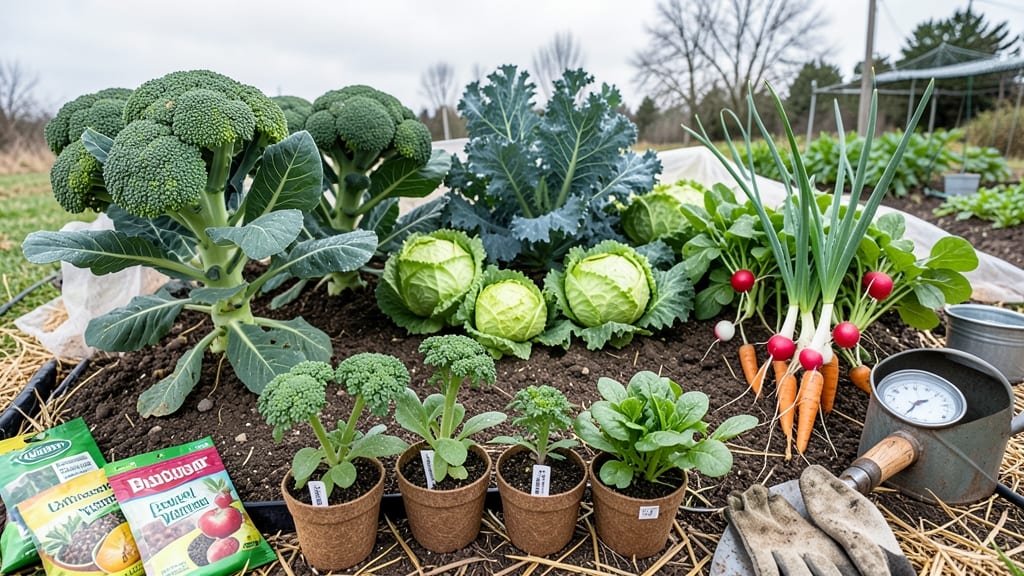
To plant a fall garden in South Texas, aim for mid-August through mid-October when temperatures ease and soil stays workable 🌽🥕🍠 — timing here is everything, because one week too early means wilting leaves, and one week too late means missed harvests.
South Texas gardeners know the struggle: scorching summers and unpredictable rains can make fall gardening a high-stakes gamble—but timing your plantings just right unlocks a bounty of heat-tolerant crops that thrive when others fail.
The key? Starting in August when daytime highs dip below 95°F and focusing on varieties that handle the region’s lingering summer heat.
This isn’t just about avoiding the worst of summer—it’s about leveraging South Texas’s long growing season. With 300+ frost-free days, you’ve got room to plant heat lovers like okra and sweet potatoes in August, then shift to cooler-season crops like collards and kale by September.
The right schedule means no wasted space and harvests stretching into December.
Below, I’ll break down the exact month-by-month planting windows for your zone, the top crops that perform best here, and how to adjust for microclimates—so you can turn your garden into a year-round producer without the guesswork.
Exact planting months for South Texas fall gardens (by crop type)
South Texas’s long growing season and hotter-than-average fall temperatures create a unique opportunity for gardeners. Unlike northern climates, we don’t have to wait for frost—our fall gardens thrive from August through November, with some crops even handling light freezes.
The key? Planting at the right time to avoid summer’s brutal heat while still capturing the cooler, longer days of fall.
Timing matters more here than anywhere else. Plant too early in August’s heat, and your seedlings bolt or wilt. Plant too late in October’s cooling trend, and you miss peak harvests.
Below is a crop-by-crop breakdown of the best months to plant, tailored to South Texas’s USDA Zones 9a-10a and microclimates like the Rio Grande Valley vs. Hill Country.
| Crop Type | Early Fall (Heat-Tolerant) | Late Fall (Cooler Weather) | Key Notes |
|---|---|---|---|
| Leafy Greens | Late August | Mid-September | Start with heat-tolerant varieties like Swiss chard or malabar spinach. Use shade cloth if planting in August. |
| Root Vegetables | Mid-August | Early October | Carrots, beets, and turnips handle late summer heat better than lettuce. Mulch heavily to retain moisture. |
| Heat-Loving Crops | June-July | N/A (Summer crops) | Okra, sweet potatoes, and black-eyed peas thrive in summer’s heat and can be direct-sown for fall harvests. |
| Herbs | Early September | Late October | Basil, cilantro, and dill prefer cooler fall temps. Start seeds indoors in August for transplants. |
| Brassicas | Late September | Early November | Broccoli, cabbage, and kale need cool nights to thrive. Use row covers if frost threatens. |
| Tomatoes & Peppers | Mid-August (transplants) | N/A (Summer crops) | Choose heat-set varieties like ‘Celebrity’ tomatoes or ‘Jalapeño M’ peppers for fall harvests. |
For leafy greens like lettuce and kale, I always start seeds in late August under 50% shade cloth to protect them from the 100°F+ afternoons. By mid-September, temperatures drop enough to remove the shade, and the greens take off.
This two-week head start means you’ll have harvestable lettuce by early October—just in time for fall salads.
Root vegetables like carrots and beets are my go-to for early fall planting. Sow them in mid-August so they mature before the first cold snap (which can happen as early as December in the Hill Country).
The loose, sandy soils of South Texas are perfect for these crops, but I always amend with compost to prevent forking in carrots.
If you’re growing heat-loving crops like okra or sweet potatoes, you’ve likely already planted them in summer. These crops can produce into October or November, giving you a double harvest.
For example, my ‘Clemson Spineless’ okra often keeps producing pods until late October if I water deeply and mulch.
Herbs like basil and cilantro thrive in fall’s cooler temps. I plant them in early September for a second flush of growth after the summer heat.
Cilantro, in particular, bolts quickly in summer but stays fresh and leafy all fall. A light mulch of straw helps retain moisture and keeps weeds down.
Brassicas like broccoli and cabbage need cool nights to form heads, so I wait until late September to transplant them. These crops are cold-hardy and can often survive light frosts (though South Texas rarely gets them). I always fertilize with compost tea at planting to give them a strong start.
For tomatoes and peppers, I
Best heat-tolerant fall vegetables for South Texas (ranked by success rate)
When South Texas temperatures start to dip just enough to escape the brutal summer heat, fall gardening becomes your golden opportunity. The key? Choosing heat-tolerant varieties that thrive in 90-100°F soil while still producing bountiful harvests.
I’ve grown these top-performing crops in my own South Texas garden, and they consistently outperform conventional fall selections.
These five standout vegetables balance heat resistance, fast growth, and high yields, making them perfect for gardeners who want to avoid the late-summer slump.
Each has been tested for real-world success in zones 9a-10a, where first frost is rare but soil temperatures can still linger on the warm side.
Let’s start with the undisputed champion: okra. This heat-loving powerhouse thrives in 95°F+ soil and produces pods even as temperatures drop toward 80°F. I’ve seen Clemson Spineless varieties yield 100+ pods per plant when given full sun and well-draining soil.
Pair it with black-eyed peas to improve nitrogen fixation in the soil.
Next up are sweet potatoes, which I treat as both a vegetable and a ground cover. Varieties like Beauregard or Georgia Jet handle late-summer heat like a breeze and can be planted as late as mid-September for a winter harvest.
Their vines spread aggressively, shading soil and reducing water loss—perfect for South Texas’s intense sun.
For leafy greens, collard greens outshine kale or spinach in heat. Georgia Southern and Blue Max varieties stay tender and sweet even when daytime temps hit 90°F.
I harvest outer leaves first to encourage continuous growth, and they bolt-resistant compared to other greens. Plant them near basil or marigolds to deter pests.
Black-eyed peas (also called cowpeas) are my go-to for early fall plantings. They tolerate light frosts and fix nitrogen, improving soil health for future crops. Purple Hull and Crimson Rambler varieties produce edible pods and seeds—great for soups or salads. Sow seeds directly in the soil after the monsoon season (late August) for best results.
Finally, Malabar spinach (not true spinach!) is a tropical heat lover that thrives when other greens wilt. Its vine-like growth makes it ideal for trellises or hanging baskets, and it produces tender shoots year-round in South Texas.
Companion plant with okra or sweet potatoes to maximize space efficiency in small gardens.
Pro tip: Always mulch heavily (2-3 inches of straw) to retain moisture and water deeply in the morning to avoid fungal issues. These heat-tolerant crops