
Planting
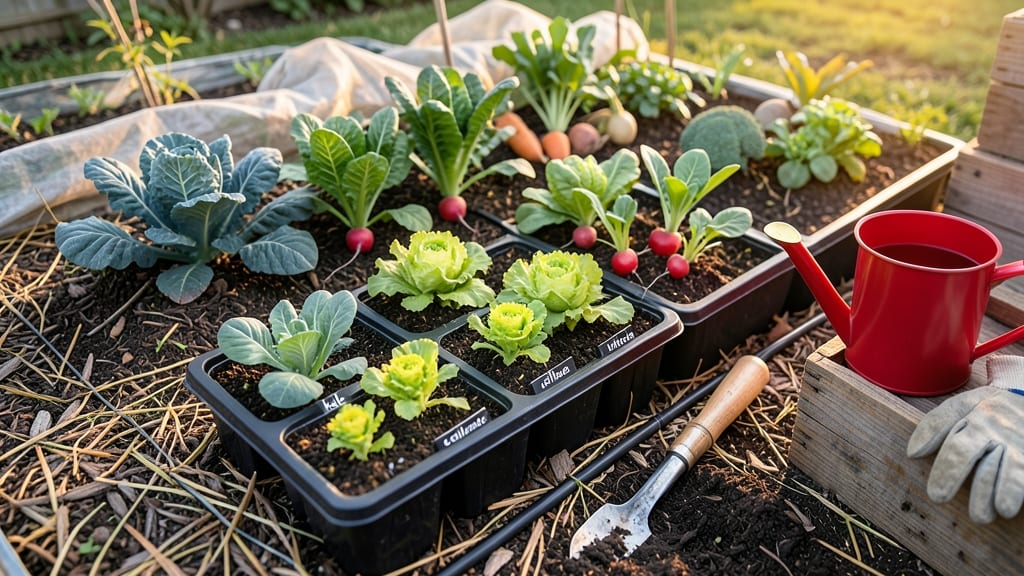
Planting a fall garden in South Texas starts 6 to 8 weeks before your first frost, which means timing your seeds and transplants between mid-August and early September for most of the region.
South Texas gardeners know the difference between a thriving fall harvest and a failed attempt often comes down to timing—plant too early, and the heat zaps your seedlings; too late, and frost steals your reward.
This isn’t just about avoiding the first frost—it’s about working with the unique microclimates of South Texas, where coastal areas stay warmer longer than the Hill Country or Rio Grande Valley.
Below, I break down the exact planting windows for heat-sensitive crops like kale and spinach, plus heat-tolerant radishes and turnips, so you can maximize your garden’s potential without guessing.
South Texas fall planting deadlines by crop heat tolerance zones
Timing your fall garden in South Texas isn't one-size-fits-all—it's about understanding your microclimate and matching crops to heat tolerance zones. The Rio Grande Valley stays toasty longer than the Hill Country, while Coastal areas face humidity challenges.
Get this wrong, and you'll either bake your seedlings or lose them to early frost. Let's break down the critical planting windows for your region.
First, know your average first frost dates: Mid-November in the Hill Country, Late November along the Coast, and December in the Valley. But don't just count backward—heat-sensitive crops like lettuce and spinach need cooler soil, while heat-tolerant varieties like collards and mustard greens can handle lingering warmth.
Plant too early, and your seedlings will bolt or wilt.
Here's your microclimate breakdown with last-planting deadlines for key crops, organized by heat tolerance. Use this as your fall planting calendar to maximize your harvest before winter sets in.
| Microclimate | Crop Type | Heat Tolerance | Last Planting Deadline | Soil Temp Threshold (°F) | Notes |
|---|---|---|---|---|---|
| Coastal (e.g., Corpus Christi) | Leafy Greens (Lettuce, Spinach) | Low | September 15 | 75°F (max) | Use shade cloth if temps exceed 85°F |
| Coastal | Broccoli, Cauliflower | Medium | September 30 | 80°F (max) | Transplant seedlings for faster growth |
| Hill Country (e.g., Austin) | Carrots, Radishes | Medium-Low | October 1 | 70°F (ideal) | Loosen soil to prevent forking |
| Hill Country | Collards, Mustard Greens | High | October 15 | 85°F (tolerates) | Direct sow after soil cools |
| Rio Grande Valley (e.g., Brownsville) | Green Beans, Peas | Medium | October 31 | 78°F (max) | Use trellises to save space |
| Rio Grande Valley | Turnips, Beets | High | November 15 | 82°F (tolerates) | Harvest before hard frost |
Notice how the Rio Grande Valley has later deadlines? That's because its warmer microclimate delays frost. Meanwhile, the Hill Country cools faster, giving you just a few weeks to plant cool-season crops like broccoli before temperatures drop. Coastal areas face humidity challenges, so focus on well-ventilated varieties
How to adjust planting dates for South Texas microclimates: Coastal vs. Hill Country vs. Valley
South Texas isn't one-size-fits-all when it comes to fall gardening. The Coastal Bend bakes under humidity, the Hill Country swings from scorching days to chilly nights, and the Rio Grande Valley holds heat like an oven.
Each microclimate demands different timing for soil prep, irrigation, and shade planning to avoid heat stress or frost damage. Let's break down the adjustments you need to make for each region.
In Coastal areas like Corpus Christi and Victoria, the real challenge is humidity and heat retention. Your soil stays warm longer, but the air feels like a sauna. This means you can plant heat-tolerant crops like sweet potatoes and malabar spinach slightly later than other regions.
However, for heat-sensitive greens like lettuce and kale, you must start seeds indoors or use shade cloth by early August to prevent bolting.
Hill Country gardeners face a different battle: temperature swings of 20°F between day and night. The key here is to prep your soil earlier—by late July—to take advantage of the cooler September nights. Use mulch heavily to stabilize soil temps, and prioritize drought-resistant varieties like Texas bluebonnet spinach or arugula that can handle the dry air.
The Rio Grande Valley presents the toughest challenge because it retains heat longer than any other South Texas region. Here, even October can feel like summer to plants. Start your cool-season crops like broccoli and cabbage in early August and use afternoon shade cloth to prevent heat stress.
For extreme heat zones, consider raised beds with black plastic mulch to warm soil faster and cool it quicker at night.
Regardless of your microclimate, soil temperature is your best guide. Use a soil thermometer to confirm when temps drop below 85°F—this is your cue to plant. In the Coastal Bend, this might be mid-August; in the Hill Country, early September; and in the Valley, late August.
Always harden off seedlings for 7-10 days before transplanting to avoid shock from temperature shifts.
Pro tip: Succession planting is your secret weapon. In the Hill Country, sow radishes every 2 weeks from August through October—they mature fast and tolerate cooler temps.
Meanwhile, in the Coastal areas, focus on heat-loving greens like Swiss chard or collards, which thrive in the lingering summer heat but still produce into winter.
By tailoring your approach to your local microclimate, you'll beat the heat and extend your harvest well into December. The key is observation—watch your plants, adjust your schedule, and don't be afraid to experiment with unconventional timing for South Texas favorites. 🌱