
Planting
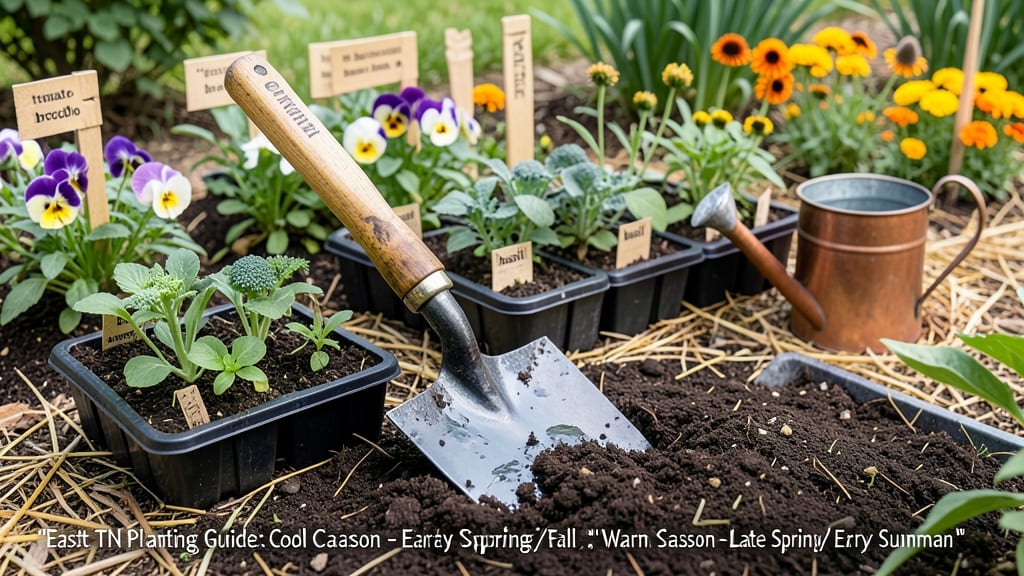
Planting your garden in East Tennessee at the right time means the difference between a bountiful harvest and a sad pile of frost-bitten seedlings.
East Tennessee’s diverse microclimates—from the Smoky Mountain foothills to the Ridge-and-Valley region—mean your garden’s success hinges on planting at the perfect time. Get the exact zero-frost planting windows for your zone to avoid late-spring freezes and maximize yields.
Whether you’re growing tomatoes, peppers, or cool-season greens, timing is everything. The average last frost date hovers around mid-April, but elevation and microclimates can shift that window by weeks.
In this guide, I’ll break down the best planting months for your East Tennessee garden, including adjustments for high-altitude areas and how to extend your growing season with smart strategies.
East Tennessee planting zones & last frost dates by microclimate
East Tennessee spans USDA Hardiness Zones 6a through 7b, but don’t let the numbers fool you—your exact last frost date can shift by 2–4 weeks depending on elevation and location.
Knoxville’s urban heat island often warms up faster than the Smoky Mountain foothills, while Johnson City’s higher elevation delays spring planting by nearly a month. Understanding these microclimates is key to avoiding frost damage to tender seedlings.
Most of East Tennessee experiences its average last frost between March 15 and April 15, but high-altitude areas (like 1,500+ feet elevation) can see frost lingering until May 1. Meanwhile, valley regions (like Chattanooga’s outskirts) may hit zero-frost conditions by early April.
Always check local weather forecasts in late March for real-time updates—this small adjustment can mean the difference between thriving tomatoes and a sad, wilted disappointment.
Why elevation matters: For every 1,000 feet gained, temperatures drop 3–5°F, delaying spring planting. A garden at 2,000 feet (like parts of Sevier County) might not be frost-free until May 10, while a lowland garden in Blount County could start planting 3 weeks earlier. Use this rule to time your warm-season crops like peppers and cucumbers.
Microclimate planting windows:
- Lowland valleys (e.g., Knoxville, Maryville): Plant cool-season crops (spinach, peas) by February 20; warm-season crops after April 1.
- Mid-elevation (e.g., Sevierville, Gatlinburg): Wait until March 15 for cool crops; April 15 for warm crops.
- High-altitude (e.g., Cosby, Wears Valley): Start cool crops March 1; warm crops after May 1.
🌱Pro Tip: Use row covers or cold frames to extend your planting window by 2–3 weeks in colder microclimates. These tools create a 5–10°F warmer micro-environment, letting you sow tomato and pepper seeds indoors by March 1 even in Zone 6a.
First frost dates also vary wildly—expect mid-October in valleys but late October in highland areas. This means your fall planting window (for crops like kale and radishes) closes 3 weeks earlier at higher elevations. Plan accordingly to avoid early frost damage to your late-season harvests.
Here’s how to adjust your planting calendar based on your specific microclimate:
| Microclimate | USDA Zone | Avg. Last Frost | Cool-Season Planting | Warm-Season Planting |
|---|---|---|---|---|
| Lowland Valleys (Knoxville, Blount Co.) | Zone 7a | March 25–April 5 | Feb 20–March 15 | April 10–April 20 |
| Mid-Elevation (Sevierville, Pigeon Forge) | Zone 6b | April 1–April 15 | March 1–March 15 | April 15–April 30 |
| Highland (Cosby, Wears Valley) | Zone 6a | April 15–May 1 | March 15–March 30 | May 1–May 10 |
🌿Key takeaway: If you’re in Zone 6a, wait until after May 1 to plant tomatoes and peppers—earlier plantings risk frost damage. Meanwhile, Zone 7a gardeners can start warm-season seeds indoors by March 15 for a head start.
Always monitor local frost forecasts (like those from the National Weather Service) for real-time adjustments.
For fall planting, aim to sow cool-season crops (like broccoli and carrots) by August 15 in lowlands or September 1 in highlands. This ensures they mature before the first frost. Use black plastic mulch to warm soil faster in spring or straw
Zero-frost crops: best planting timing for East Tennessee’s top vegetables
Timing is everything in East Tennessee’s gardens, where late-spring frosts can still strike after April 15 in higher elevations. For zero-frost crops—those that won’t survive even light freezes—you’ll want to align your planting with soil temperatures and local microclimates.
The key is knowing when to start seeds indoors, transplant seedlings, or sow directly into warmed soil to ensure your tomatoes, peppers, and cucumbers thrive without frost damage.
In USDA zones 6b-7a, most gardeners aim to plant warm-season crops 2-4 weeks after the last frost, but East Tennessee’s varied elevations complicate this. Valley areas like Knoxville may warm faster than mountain foothills near Gatlinburg, shifting planting windows by 10-14 days.
Using row covers or cold frames can help you plant earlier for heat-loving crops like peppers, which need soil temps of 70°F+ to germinate.
- 🌱 Tomatoes: Start seeds indoors 8-10 weeks before last frost (mid-February). Transplant seedlings 2-3 weeks after last frost (early May in valleys, late May in mountains). Use black plastic mulch to warm soil faster.
- 🌶️ Peppers: Sow seeds indoors 10-12 weeks before last frost (late February). Transplant after soil reaches 70°F+ (mid-May in Knoxville, June in higher elevations). Protect with row covers if late frosts linger.
- 🥒 Cucumbers: Direct-sow 1-2 weeks after last frost (early May) or start seeds indoors 3-4 weeks before transplanting. Choose bush varieties for smaller spaces; trellis vines to save room.
- 🌱 Green Beans: Sow directly 1-2 weeks after last frost (early May) or use cold frames for a 2-week head start. Succession plant every 2-3 weeks for continuous harvests until September 15.
- 🥬 Leafy Greens (Lettuce, Spinach, Kale): For fall harvests, sow seeds 8-10 weeks before first frost (late July). Use shade cloth in summer to prevent bolting. Spring plantings go in 4-6 weeks before last frost (early March).
For tomatoes, I’ve found that indeterminate varieties like ‘Celebrity’ or ‘Better Boy’ reward patience with longer harvests, but they need sturdy cages or trellises to support their weight.
In my Zone 7a garden near Chattanooga, I start seeds in late February under grow lights, then harden them off before transplanting in early May. If you’re in a cooler microclimate, like Johnson City, delay transplanting until mid-May to avoid frost damage.
Peppers are the most temperature-sensitive of the zero-frost crops. My jalapeños and bell peppers always struggle if I transplant too early. I wait until the soil thermometer reads 75°F+—usually late May in my yard—and use black plastic mulch to keep roots warm.
For extra protection, I drape floating row covers over seedlings until nighttime temps stay above 50°F. This trick has extended my pepper season by 2-3 weeks.
Don’t overlook cucumbers and green beans for quick, high-yield crops. Cucumbers thrive in warm, humid conditions, so I plant them near drip irrigation to prevent powdery mildew. For green beans, I’ve had the most success with bush varieties like ‘Blue Lake’, which mature faster than pole beans.
In East Tennessee’s short growing season, succession planting every 2 weeks ensures a steady supply until late September.
Leafy greens like kale and spinach are my go-to for fall harvests. I sow seeds in late July for a September-October crop, using shade cloth to protect seedlings from summer heat stress.
For spring plantings, I start seeds indoors in early March and transplant after the soil warms to 50°F+. A light frost actually sweetens spinach, so I often leave it in the ground until December if temps stay mild.