
Planting
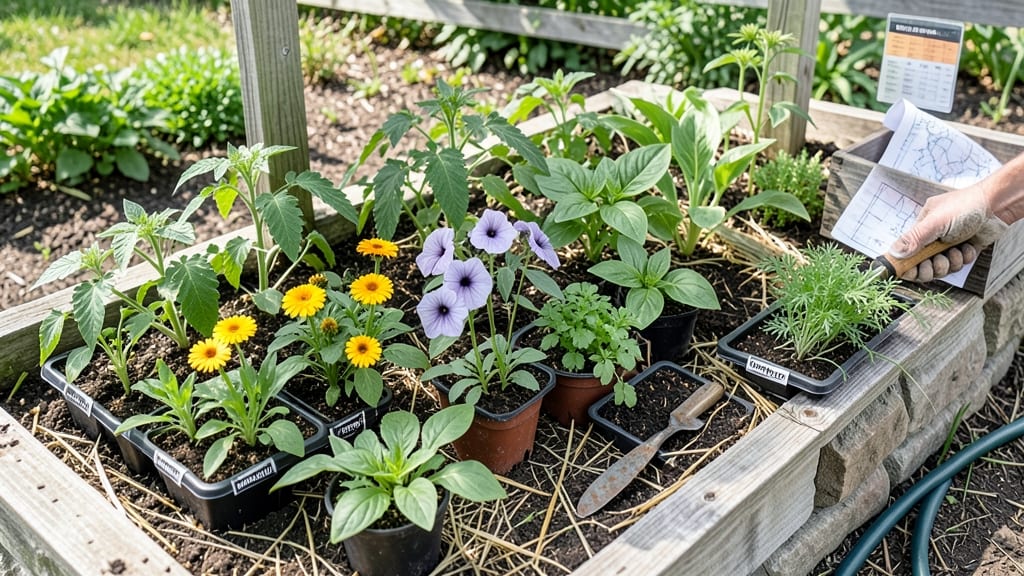
Planting a garden in Indiana at the right time means the difference between a bountiful harvest and a sad pile of frost-nipped seedlings.
Indiana’s unpredictable spring weather can turn a gardener’s excitement into frustration—planting too early risks frost damage, while waiting too long shortens the growing season. Mastering soil temperature rules ensures your garden thrives from seed to harvest.
Most Indiana gardeners aim for mid-April to mid-May for spring planting, but the key is soil temperature—not just the calendar. Cold soil slows germination, and warm soil speeds it up, so checking with a simple thermometer can shave weeks off your wait time.
In this guide, I’ll break down the best planting windows for your zone, how to test soil temperature like a pro, and which fast-growing crops can stretch your season when timing isn’t perfect.
Indiana’s ideal planting windows by soil temperature zones
Indiana’s USDA Hardiness Zones 5b-6b create a unique challenge for gardeners, where soil temperature dictates planting success more than calendar dates. Unlike frost dates, soil warmth determines seed germination and root development—critical for fast-growing vegetables and tender perennials.
Northern Indiana’s cooler microclimates (like Lake County) often lag 1-2 weeks behind Southern Indiana (like Clark County), where urban heat islands accelerate warming.
For cool-season crops like lettuce and peas, soil temperatures between 40°F and 50°F trigger germination, while warm-season plants such as tomatoes and basil need 60°F+ soil to thrive.
Using a soil thermometer (just $15 at garden centers) removes guesswork—plant when conditions align with your crop’s needs, not just the last frost date.
Here’s how Indiana’s regions differ:
| Region | Avg. Last Frost | Soil Temp. Thresholds | Best Planting Window | Example Crops |
|---|---|---|---|---|
| Northern Indiana (Zones 5b) | April 20–May 5 | 40°F (cool crops) 60°F (warm crops) |
April 15–May 10 (cool) May 20–June 5 (warm) |
Peas, spinach, kale Tomatoes, peppers, basil |
| Central Indiana (Zones 5b-6a) | April 10–April 25 | 45°F (cool crops) 55°F (warm crops) |
April 1–April 15 (cool) May 1–May 15 (warm) |
Lettuce, radishes, onions Cucumbers, beans, marigolds |
| Southern Indiana (Zones 6a-6b) | March 25–April 10 | 50°F (cool crops) 58°F (warm crops) |
March 15–April 1 (cool) April 15–May 1 (warm) |
Broccoli, carrots, parsley Squash, eggplant, lavender |
In Northern Indiana, gardeners often wait until May 10 to plant warm-season crops like tomatoes, as soil near 50°F can stunt growth. Meanwhile, Southern Indiana’s earlier warming lets gardeners start cucumbers and beans by April 15, shaving weeks off the season.
For herbs like basil, wait until soil hits 60°F—planting too early risks root rot from lingering cold.
Fall planting follows reverse rules: cool-season crops like kale and Brussels sprouts thrive when soil cools to 50°F–55°F after September 1. In Northern Indiana, aim for August 15–September 15, while Southern Indiana can extend planting to October 1.
Use row covers to protect tender seedlings from early October frosts, which can occur even after soil warms.
For perennials and shrubs, soil temperature matters less than air temperature—plant when roots can establish before winter. In Zone 5b, dig in daylilies or coneflowers by May 15; in Zone 6b, extend to June 1.
Mulch heavily (3–4 inches) to insulate roots from late-spring frosts or winter heaving.
Pro tip: Container gardens warm faster than in-ground soil. Fill pots with compost-rich mix and place them on black plastic mulch to raise soil temps by 5–10°F. This lets you plant warm-season crops 1–2 weeks earlier in Northern Indiana, extending your harvest window.
Track local variations with Indiana’s Purdue Extension frost maps or use a smart weather station to monitor soil temps in real time. Even a 5°F difference can mean the difference between germination success and wasted seeds.
Remember: Soil temperature > calendar dates. Test your garden beds with a thermometer before planting—your tomatoes and peppers will thank you with faster growth and bigger yields. Happy planting! 🌱
How to test soil temperature and adjust planting timing
Soil temperature is the secret weapon for Indiana gardeners—it determines whether your seeds will sprout or rot. Unlike air temperature, soil warms slowly and can stay 10–15°F colder than the thermometer outside.
For example, a 50°F soil might feel perfect for cool-season crops like peas, while 60°F is ideal for tomatoes and peppers. Testing it yourself removes guesswork and aligns your planting with nature’s pace.
Before grabbing a soil thermometer, know your Indiana planting zones. Northern Indiana (USDA Zone 5b) typically hits 50°F by mid-April, while Southern Indiana (Zone 6a) may reach it by late March. Cold-sensitive crops like cucumbers or beans need 60°F+ soil, so wait until late May in colder areas.
A thermometer costs $10–$20 and pays for itself in one season by preventing wasted seeds and stunted plants.
Many gardeners rely on air temperature or last frost dates, but soil temperature is the real indicator. For example, a 60°F air temp might feel warm, but if the soil is still 45°F, seeds like squash or corn will fail to germinate.
Always test soil 2–3 inches deep in the morning for accuracy.
To test soil temperature, insert a soil thermometer (digital or analog) into the ground where you plan to plant. Press it firmly into the soil to 2–3 inches deep—this mimics the depth where most seeds germinate.
Wait 5–10 minutes for the reading to stabilize, then record the temperature. Repeat this daily for 3–5 days to account for fluctuations, especially during Indiana’s unpredictable spring weather swings.
Once you have your soil temperature data, compare it to your plants’ needs. Cool-season crops like lettuce, spinach, and peas thrive in 40–50°F soil, while warm-season crops such as tomatoes, peppers, and basil require 60–70°F.
For example, if your soil hits 55°F in early April, it’s safe to plant radishes or carrots, but wait for 65°F+ to sow tomatoes. Pro tip: Use a seedling heat mat ($20–$30) to warm soil 5–10°F faster if you’re eager to get started.
Extend your Indiana growing season with row covers or cold frames. These tools can add 2–4 weeks of warmth to your soil, letting you plant earlier in spring or later in fall.
For instance, a floating row cover (like Reemay fabric) can raise soil temps by 5–8°F, while a cold frame (a mini greenhouse) can create 10–15°F warmer conditions. Just remove covers when temps exceed 80°F to avoid overheating.
Avoid these 3 critical mistakes when adjusting planting timing: 1) Ignoring soil moisture—dry soil heats up faster than wet soil, skewing your thermometer readings. 2) Planting too deep when soil is cold—seeds need consistent warmth to germinate, so stick to the recommended depth. 3) Over-relying on last frost dates—soil temperature is more reliable than calendar dates, especially in Indiana’s variable climate.
By mastering these steps, you’ll turn Indiana’s short growing season into a high-yielding garden.