
Planting
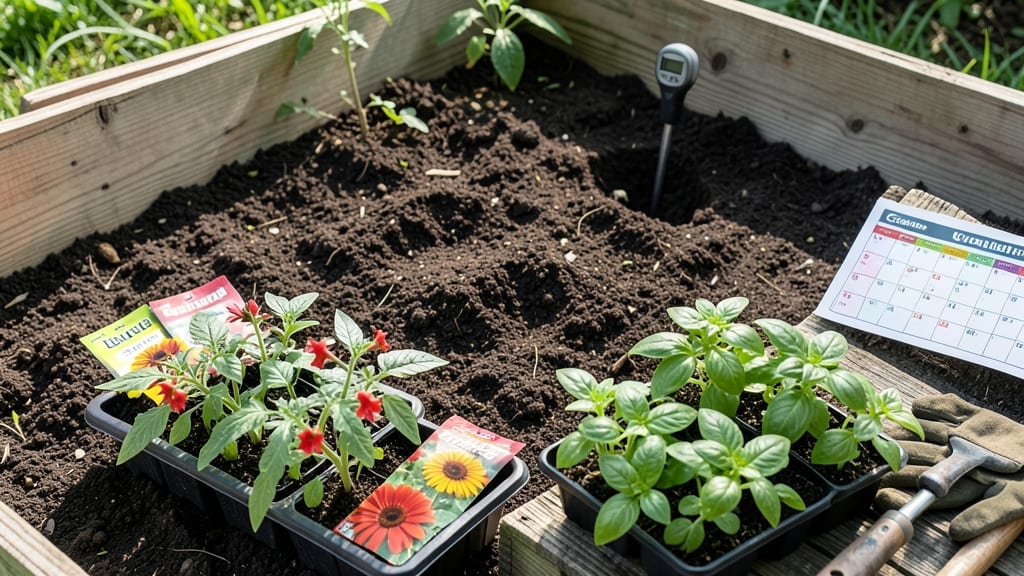
To plant a garden in Indiana, aim for late March through mid-May in spring and August through early September in fall—timing that aligns with your USDA 5b-6b zone and avoids frost damage.
Indiana’s unpredictable frost dates can make or break your garden—plant too early, and you risk losing your hard work to late frosts; too late, and you’ll miss peak harvest seasons.
Timing is everything, and this guide breaks down the exact frost-free windows for Indiana’s 7 growing zones and the best planting times for every crop type.
Cool-season crops like lettuce and peas thrive when soil temperatures hit 50°F, while warm-season favorites such as tomatoes and peppers need to wait until after the last frost, usually around April 15.
Fall planting offers a second chance for greens and root vegetables before the first frost in mid-October.
Here, you’ll discover how to adjust your schedule for Indiana’s unique climate, including soil prep tips, microclimate tricks, and a zone-specific planting calendar to maximize your harvest from April through October.
Indiana’s frost dates by growing zone: your planting timeline for spring & fall
Indiana spans USDA hardiness zones 5a through 6b, meaning frost dates can vary by 10-14 days between northern and southern regions. Understanding these zone-specific frost windows is key to avoiding late-season damage or missing peak harvest times.
The 10-day rule is your best friend here—wait at least 10 days after the average last frost before planting warm-season crops like tomatoes or peppers.
Northern Indiana (zones 5a-5b) typically sees its last frost around April 15, while southern Indiana (zones 6a-6b) warms up 2 weeks earlier. First frosts return in mid-October in the north and late October in the south.
These dates create a 165-day growing season in most zones, but microclimates (like urban heat islands) can extend it by 1-2 weeks.
Here’s the zone-by-zone breakdown you need to plan your spring and fall planting with confidence:
| Zone | Avg. Last Frost | Avg. First Frost | Spring Planting Window | Fall Planting Window | Frost-Free Days |
|---|---|---|---|---|---|
| 5a (Northern IN) | April 25 | October 10 | May 10–June 1 | August 1–September 1 | 150–160 |
| 5b (Northeast IN) | April 15 | October 15 | April 25–May 15 | August 15–September 10 | 160–170 |
| 6a (Central IN) | April 5 | October 20 | April 15–May 1 | August 20–September 15 | 170–180 |
| 6b (Southern IN) | March 25 | October 25 | March 25–April 15 | August 25–September 20 | 180–190 |
*Dates are averages—always monitor local forecasts for adjustments.
For cool-season crops like lettuce, spinach, and peas, you can plant 4-6 weeks before the last frost. These hardy veggies thrive in 50–60°F soil and can even survive light frosts.
In contrast, warm-season crops (tomatoes, peppers, cucumbers) need soil temperatures above 60°F and shouldn’t go in until 2 weeks after the last frost.
Use the 10-day rule as a buffer: If your zone’s last frost is April 15, wait until May 5 to plant heat-loving crops. This accounts for unpredictable late frosts that can wipe out seedlings overnight.
Pro tip: Check soil temperature with a thermometer—warm-season crops need 60°F+, while cool-season crops do well in 45–55°F.
Fall planting follows the reverse logic. Start cool-season crops like kale or carrots 8–10 weeks before your first frost.
For zone 5b, that’s mid-August, while zone 6b can wait until early September. Broad beans and spinach are exceptions—they can handle light frosts and even taste sweeter after a touch of frost!
Extend your season with row covers or cold frames to push boundaries. These tools can add 2–4 weeks to your growing season, letting you plant earlier in spring or later in fall. Just remember: Remove covers during the day in warm weather to prevent overheating.
Keep a frost watch journal for 3–5 years to refine your local planting dates. Urban areas often have warmer microclimates, while rural spots may experience earlier frosts.
By aligning your planting with zone-specific frost dates and using the 10-day rule, you’ll maximize your garden’s potential and enjoy bountiful harvests all season long.
🌱
Best planting times for Indiana crops: cool-season vs. warm-season schedules
Indiana’s cool-season crops thrive when planted 4-6 weeks before the last average frost date (typically March 15-April 15), while warm-season crops need to wait until 2 weeks after the last frost (April 20-May 10).
The key is matching your plant’s temperature needs with Indiana’s 5b-6b USDA zones, where late frosts can still strike as late as May 10 in northern regions.
For cool-season vegetables like spinach, peas, and lettuce, start seeds indoors 6-8 weeks before the last frost or sow directly 2-4 weeks before. Warm-season stars such as tomatoes, peppers, and sweet corn must wait until soil temperatures hit 55-65°F, usually mid-May or later. Herbs like basil and flowers like marigolds also prefer warmth, so don’t rush them into cold soil.
- 1 Cool-Season Crops: Plant 4-6 weeks before last frost (e.g., broccoli, kale, onions). Use row covers to extend harvests into late fall.
- 2 Warm-Season Crops: Wait until soil is 60°F+ (mid-May). Tomatoes and peppers need 70-85°F for best growth.
- 3 Strawberries: Plant bare-root crowns in early spring (March-April) or potted plants in fall (August-September) for next year’s harvest.
- 4 Sweet Corn: Sow 1-2 weeks after last frost in blocks, not rows, for better pollination. Succession plant every 2 weeks for continuous harvests.
- 5 Fall Planting: Cool-season crops like radishes and spinach can be sown 8-10 weeks before first frost (early August) for fall harvests.
Indiana’s short growing season means succession planting is your best friend.
For example, bush beans can be sown every 2 weeks from May to July to stretch your harvest. Cold frames or low tunnels can push cool-season crops like carrots or lettuce into late October or November, while hoop houses let you grow warm-season crops like peppers until first frost.
Don’t overlook herbs and flowers—many thrive in Indiana’s climate. Cilantro and parsley love cool weather, so plant them in early spring or fall. Zinnias and sunflowers, however, bloom best when sown after May 15, as they need warmth to germinate. Perennials like lavender should be planted in spring or early fall to establish strong roots before winter.
Pro tip: Use a soil thermometer to confirm warm-season crops are planted in 55°F+ soil. Cold soil can stunt growth or delay germination by weeks. For cool-season crops, harden off seedlings 7-10 days before transplanting to avoid shock from temperature swings.
With Indiana’s variable frost dates, always have a backup plan. Keep seedlings indoors under grow lights until safe to transplant, and monitor weekly frost forecasts in late April and May.
A little preparation ensures your garden thrives year after year—no matter what Mother Nature throws your way. 🌱