
Planting
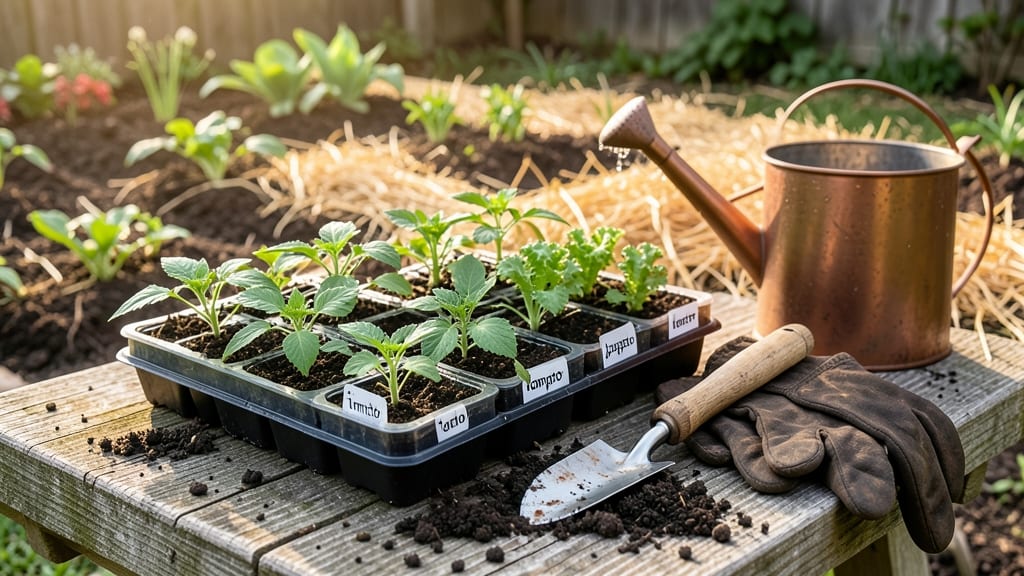
Planting your garden in Kentucky at the right time means the difference between a bountiful harvest and a sad pile of frost-bitten seedlings 🌱 — and the window opens sooner than you might think.
Kentucky’s unpredictable frost dates can make or break your garden—plant too early, and your seedlings will freeze; too late, and you’ll miss peak harvests. But with the right timing, you can grow a thriving garden year after year.
In USDA Zones 6a-7a, most gardeners can start cool-season crops like lettuce and spinach as early as mid-March, while warm-season favorites like tomatoes and peppers wait until after the last frost, usually around mid-April.
Below, I break down the exact planting schedule by month, regional tweaks for Bluegrass vs. Appalachian zones, and how to stretch your growing season with simple tricks like row covers.
Kentucky planting zones & frost dates: what you need to know
Kentucky spans USDA Hardiness Zones 5b through 7a, creating diverse planting opportunities across the state. Northern regions like Paducah (Zone 6b) experience earlier frosts, while southern areas like Bowling Green (Zone 7a) enjoy longer growing seasons.
Understanding these zones helps you select cold-hardy plants for spring and heat-tolerant varieties for summer.
Frost dates vary dramatically—northern Kentucky averages its last spring frost around April 15, while southern areas may see frost-free conditions by March 20. The first fall frost typically arrives between October 10 and October 25, depending on elevation and location.
These dates determine when to plant cool-season crops like lettuce and warm-season plants such as tomatoes.
Here’s how Kentucky’s zones break down by region and their average frost dates:
| Region | USDA Zone | Last Frost Date | First Frost Date | Frost-Free Days |
|---|---|---|---|---|
| Northern KY (e.g., Paducah) | 6b | April 15 | October 20 | 185-190 |
| Central KY (e.g., Louisville) | 7a | April 1 | October 15 | 200-210 |
| Southern KY (e.g., Bowling Green) | 7a | March 20 | October 10 | 220-230 |
| Eastern KY (Appalachian) | 5b-6a | April 30 | October 25 | 170-180 |
To safely plant after frost risk ends, gardeners use the 10-day rule. After your region’s average last frost date, wait 10 days before planting warm-season vegetables like peppers and cucumbers.
This buffer accounts for late frosts and ensures seedlings survive. For example, if your last frost is April 15, plant warm-season crops by May 5.
Cool-season crops like spinach and peas can handle light frosts, so plant them 4-6 weeks before your last frost date. In northern Kentucky, this means starting in early March, while southern regions can begin as early as mid-February.
Always check local weather forecasts for real-time adjustments, especially in microclimates like urban heat islands or high-elevation areas.
Kentucky’s humid subtropical climate also affects planting. High humidity can lead to soil-borne diseases, so improve drainage by amending soil with compost or sand. For container gardening, use well-draining pots and avoid overwatering, which is common in Kentucky’s rainy springs.
Mulching with straw or wood chips helps regulate soil temperature and retain moisture during dry spells.
If you’re unsure about your exact last frost date, use the Almanac’s Frost Calculator or track local data from Kentucky Mesonet. Many garden centers in your area also provide free frost date guides tailored to nearby towns.
For instance, Lexington’s last frost often aligns with April 10, while Frankfort’s may be April 15—just a few days can make a difference for heat-loving plants.
Pro tip: Start cool-season crops indoors 6-8 weeks before your last frost to get a head start. Use grow lights if natural light is limited, and harden off seedlings by gradually exposing them to outdoor conditions for 1-2 weeks before transplanting. This method extends your growing season and maximizes yields.
Remember, Kentucky’s frost dates shift yearly due to climate patterns. Keep a garden journal to note when your plants thrive and adjust future planting schedules accordingly. With the right timing and a little flexibility, you’ll enjoy a bountiful harvest from spring to fall! 🌱
Best monthly planting schedule for Kentucky gardens
Kentucky’s diverse climate—from the Bluegrass Region to the Appalachian foothills—means your planting schedule should adapt to microclimates and frost dates. While the average last frost hits around April 15, mountain areas may see frost as late as May 1.
Planning ahead ensures your cool-season crops thrive before summer heat arrives, and your warm-season plants get a strong start.
Start by preparing your soil in early spring with compost and a balanced 10-10-10 fertilizer. Kentucky’s humid subtropical climate also means mulching is key to retain moisture and suppress weeds.
For container gardens, use well-draining soil and water deeply in the morning to avoid fungal issues. Whether you’re growing heirloom tomatoes or native wildflowers, timing is everything.
- 1 March: Plant cool-season crops like spinach, kale, and peas 4-6 weeks before last frost. Start onion and leek seeds indoors.
- 2 April: Transplant broccoli, cauliflower, and cabbage after frost risk ends. Direct-sow radishes and carrots for quick harvests.
- 3 May: Plant warm-season staples like tomatoes, peppers, and beans after soil reaches 60°F. Add marigolds to deter pests.
- 4 June: Sow cucumbers, squash, and corn for summer harvests. Succession plant bush beans every 2 weeks.
- 5 September: Plant fall crops like spinach, lettuce, and garlic for winter harvests. Direct-sow radishes for quick fall greens.
- 6 October: Add cover crops like clover or rye to protect soil. Plant hardy perennials like asparagus crowns.
For warm-season crops, Kentucky gardeners swear by ‘Celebrity’ tomatoes and ‘Jalapeño M’ peppers, both of which thrive in the state’s heat.
If you’re in Zone 6b (common in Northern KY), wait until May 10 to plant tomatoes, while Zone 7a (Southern KY) can start as early as April 25. Use row covers for early plantings to protect against late frosts.
Don’t overlook fall planting—Kentucky’s mild winters allow for winter greens like kale and collards. These crops often sweeten after frost, making them a favorite for holiday harvests. Plant garlic in October for next year’s crop, and consider cover crops to improve soil health over winter.
Pro tip: Use Kentucky-specific varieties like ‘Blue Lake Bush’ beans or ‘Red Norland’ potatoes, which are bred to handle the state’s humidity and heat. Always water deeply in the morning to prevent fungal diseases, and mulch heavily to retain moisture during Kentucky’s summer droughts.
With this schedule, you’ll avoid the common pitfalls of planting too early or too late, ensuring a bountiful harvest from spring to fall. Happy gardening! 🌿