
Planting
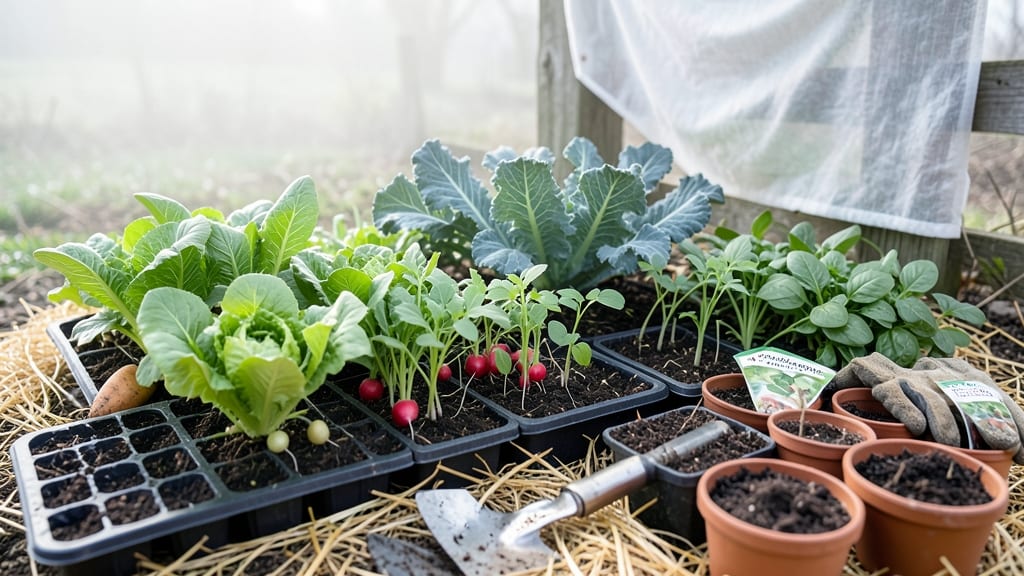
Planting your garden in Maine at the right time means the difference between a bountiful harvest and a wasted season—and those frost dates can shift faster than you think.
You’ve got 150 frost-free days to work with, but cool-season crops like kale and peas need to go in by mid-April, while tomatoes and peppers won’t tolerate a late freeze. Getting the timing wrong means either stunted growth or plants that bolt before they produce.
In this guide, I’ll break down the exact planting windows for every crop type in your USDA Zone 5b-6a garden, from early spring starts to late-summer succession plantings. No more guessing—just a clear, region-specific roadmap to maximize your 🌱 harvest potential.
You’ll also learn how to stretch your season with cold frames, choose the fastest-maturing varieties, and avoid the three biggest mistakes Maine gardeners make when planting. Ready to turn your garden into a productive powerhouse?
Maine’s frost dates by region: when to start planting each crop
Maine’s frost dates vary dramatically from Southern to Northern regions, making precise planting timing essential.
In the South (USDA Zone 5b), like York or Portland, the average last frost arrives around May 10, while Northern Maine (Zone 4a), including Bangor or Presque Isle, often waits until May 25 or later.
These differences mean your tomato plants in Kittery might thrive where pepper seedlings in Aroostook County could still face frost damage.
Understanding these regional shifts helps you plan cool-season crops like kale and spinach for early spring or fall, while warm-season crops such as cucumbers and peppers need to wait until after the last frost.
Even perennials like asparagus and rhubarb benefit from knowing when to plant crowns for optimal establishment before winter.
Microclimates add another layer—coastal areas (like Bar Harbor) often warm up faster than inland spots, while valleys can trap cold air longer. Adjust your planting by 1-2 weeks based on elevation and proximity to large bodies of water.
For example, blueberry bushes planted too early in Northern Maine may struggle, but Southern Maine’s longer growing season allows for second plantings of bush beans in July.
| Region | Avg. Last Frost | Avg. First Frost | Cool-Season Crops (Plant) | Warm-Season Crops (Plant) | Perennials (Plant) |
|---|---|---|---|---|---|
| Southern Maine (Zone 5b) | May 10 | October 15 | March 15–April 15 | May 15–June 1 | April 1–May 15 |
| Central Maine (Zone 5a) | May 15 | October 5 | April 1–April 30 | May 20–June 10 | April 15–May 1 |
| Northern Maine (Zone 4a) | May 25 | September 25 | April 15–May 10 | June 1–June 20 | May 1–May 15 |
*Adjust dates 1-2 weeks earlier for coastal areas or later for inland valleys.
For cool-season crops, start spinach and kale indoors 4-6 weeks before your region’s last frost date. In Southern Maine, this means sowing seeds by March 15, while Northern Maine gardeners should wait until April 15.
These crops tolerate light frosts, so you can even plant lettuce or peas as late as June 1 for a fall harvest.
Warm-season crops like tomatoes and peppers demand patience—wait until soil temperatures reach 55°F (13°C) and nighttime lows stay above 50°F (10°C). In Central Maine, this typically aligns with May 20, but Northern Maine may need to delay until June 1. Use black plastic mulch to warm soil faster if needed, especially for cucumbers or squash, which thrive in heat.
Perennials like asparagus and rhubarb have their own timing. Plant asparagus crowns in early spring (April–May) when soil is workable but before bud break. Rhubarb, a hardy perennial, can be planted in fall or early spring, but Northern Maine gardeners should prioritize spring to avoid winter heaving.
Mulch heavily after planting to protect roots from temperature swings.
Don’t overlook succession planting—Maine’s short season rewards quick replanting. After harvesting early peas in June, replace them with bush beans or carrots for a late-summer crop.
Similarly, Southern Maine can squeeze in a fall radish planting by August 1, while Northern regions might focus on cold-hardy greens like swiss chard for October harvests.
Use a frost calendar from your local Cooperative Extension office (like UMaine Extension) for year-to-year adjustments. Even a 5-year average can shift due to climate change, so stay flexible. For example, 2021’s early May frost in Portland caught many off guard—always have row covers ready for
How to extend your Maine gardening season with smart planting strategies
Maine’s short growing season doesn’t have to limit your harvest. By using smart planting strategies, you can push your garden’s boundaries and enjoy fresh produce well beyond the traditional frost dates. The key lies in combining season-extending tools with crop selection tailored to Maine’s climate quirks.
One of my favorite tricks is using cold frames to start cool-season crops like spinach and lettuce up to 4 weeks earlier than traditional outdoor planting.
These simple glass or plastic boxes trap heat from the sun, creating a microclimate that can raise soil temperatures by 10-15°F—perfect for jumpstarting your garden.
Another game-changer is row covers, which act like lightweight blankets for your plants. They protect against late frosts while still allowing sunlight and water to pass through.
For example, I’ve used floating row covers to extend the season for broccoli and cauliflower by 3-4 weeks in both spring and fall.
Here’s the trade-off between cold frames and row covers—both are powerful tools, but they serve different purposes in your Maine garden:
Cold Frames vs. Row Covers
Cold Frames
- ✅ Pros: Extends season by 4-6 weeks, works for direct sowing, protects from heavy frosts
- ✅ Ideal for: Early spring starts, hardy greens, root crops
- ❌ Cons: Expensive to build, limited mobility, can overheat in summer
- ❌ Requires: Regular ventilation, sturdy structure
Row Covers
- ✅ Pros: Affordable, portable, protects from light frosts and pests
- ✅ Ideal for: Late spring, fall harvests, delicate plants like lettuce
- ❌ Cons: Reduces sunlight by 10-30%, not for heavy frosts, can trap too much moisture
- ❌ Requires: Secure anchoring, removal in heat
Choose based on your crop needs and seasonal goals—both can double your harvest potential!
Don’t overlook the power of succession planting, which involves staggering your plantings to ensure a continuous harvest. For example, instead of planting all your bush beans at once, sow a new batch every 2 weeks until mid-July.
This strategy keeps your kitchen stocked with fresh beans while maximizing your garden’s productivity.
When selecting crops, prioritize fast-maturing varieties designed for short seasons. Look for labels like "Early Girl" tomatoes or "Early Wonder" peas—these varieties can go from seed to harvest in as little as 50-60 days, giving you a head start before Maine’s first frost.
Pair these with cold-hardy crops like kale, swiss chard, and radishes, which thrive in cooler temperatures and can often survive light frosts.
For heat-loving crops like peppers and eggplants, consider starting them indoors 8-10 weeks before your last frost date. Use grow lights to supplement natural light, and transplant them outdoors only after the soil has warmed to at least 60°F.
This approach ensures they have enough time to mature before Maine’s short summer wanes.
With these strategies—cold frames, row covers, succession planting, and fast-maturing varieties—you can transform Maine’s short growing season into a year-round gardening adventure. The key is to start early, stay flexible, and always keep an eye on the forecast! 🌱