
Planting
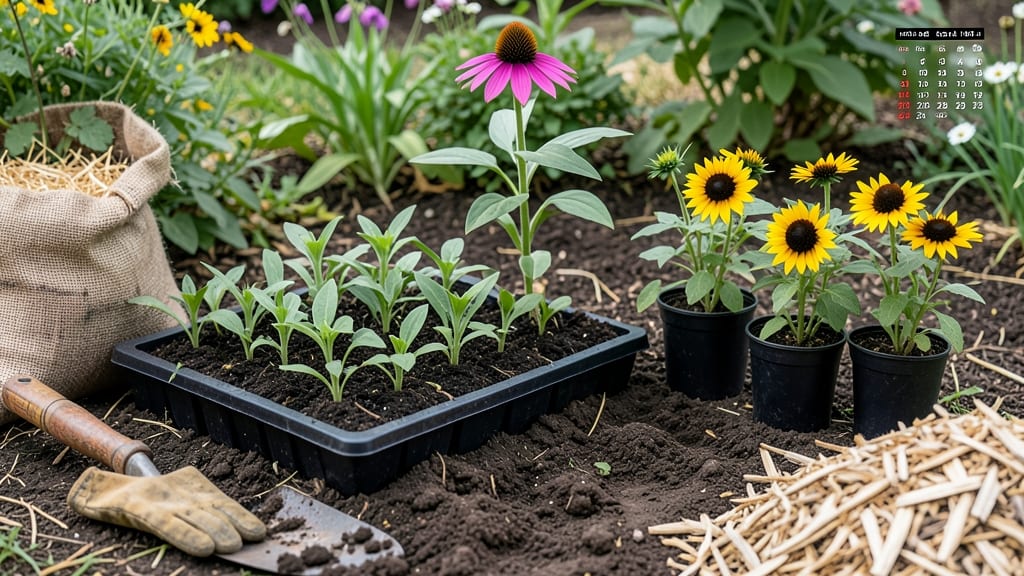
Planting a garden in Minnesota means timing your crops to the 14-day frost-free rule—because those late spring freezes can turn a promising plot into a sad memory.
If you’ve ever rushed seedlings into the ground only to watch them crisp under a surprise frost, you know the stakes.
Minnesota’s USDA Zones 3–5 demand precision: cool-season crops like peas and spinach can handle early soil, while tomatoes and peppers need to wait until the air stays reliably above 50°F.
This guide breaks down the exact windows for your region, from hardy greens in April to heat-lovers in June, plus how to stretch the season with row covers or cold frames.
You’ll learn the 3 key dates every Minnesota gardener needs, plus when to start seeds indoors and which crops thrive in the North’s short but sweet growing window.
Minnesota last frost dates by Zone: when to start planting cool-season crops
Minnesota’s cool-season crops like peas, spinach, and kale thrive when planted before the last frost, but timing varies dramatically across the state’s USDA zones 3–5.
Northern regions (Zone 3) face last frosts as late as May 20–June 1, while southern areas (Zone 5) typically see their final frost by May 10–15. Understanding these dates ensures your leafy greens and root vegetables get a head start without frost damage.
To pinpoint your local last frost date, use the Minnesota State Climatology Office’s frost calculator or check the 14-day frost-free rule: Wait until two weeks after your average last frost before planting heat-sensitive crops.
For example, if your last frost is May 15, aim to plant by May 30. Urban areas often experience earlier frosts than rural zones due to heat island effects, so adjust your timeline accordingly.
| USDA Zone | Avg. Last Frost | Cool-Season Planting Window | Best Crops |
|---|---|---|---|
| Zone 3 (North) | May 20–June 1 | April 15–May 10 | Peas, Spinach, Kale, Radishes |
| Zone 4 (Central) | May 10–15 | April 1–April 25 | Lettuce, Broccoli, Carrots, Beets |
| Zone 5 (South) | May 1–5 | March 15–April 10 | Arugula, Swiss Chard, Onions, Cabbage |
*Adjust dates 1–2 weeks earlier for urban areas or later for rural highlands.
For Zone 3 gardeners, start peas and spinach indoors by early April or direct-sow in late April under frost blankets.
In Zone 4, you can begin planting lettuce and broccoli as early as late March, while Zone 5 gardeners can push the envelope with cold-hardy arugula in late February. Always test soil temperatures—40–50°F is ideal for cool-season crops—and avoid planting when nighttime temps dip below 30°F.
Microclimates play a huge role in Minnesota gardening. South-facing slopes and urban heat islands warm up faster, allowing you to plant 2–3 weeks earlier than the average. Conversely, low-lying areas and northern exposures hold frost longer, so delay planting until you’ve confirmed the risk has passed.
Use a minimum thermometer to track nighttime lows—if temps drop below 28°F, protect tender seedlings with row covers or cloches.
Succession planting is key for extending your harvest. For example, sow radishes every 2 weeks from April to June to enjoy fresh harvests all season. Similarly, bush beans and turnips can be planted in late May for a summer crop, then again in early July for a fall harvest.
This strategy maximizes your garden’s productivity despite Minnesota’s short growing season.
Don’t rely solely on averages—local weather patterns can shift dramatically. Check the National Weather Service’s 10-day forecast and Almanac’s frost predictions for real-time adjustments.
If you’re unsure, opt for cold-tolerant varieties like ‘Winterbor’ kale or ‘Sugar Snap’ peas, which can handle light frosts and even improve flavor after a frost.
For urban gardeners, container gardening offers flexibility. Move pots to sheltered spots during cold snaps and use black plastic mulch to warm soil faster. Rural gardeners, meanwhile, benefit from raised beds, which thaw earlier in spring.
Whichever method you choose, soil preparation is critical—amend beds with compost in early spring to improve drainage and fertility for your cool-season crops.
Remember, late frosts can occur as late as Mother’s Day weekend in northern Minnesota. If frost is in the forecast, cover seedlings with old bedsheets or frost cloth and secure the edges with bricks or soil.
With these strategies, you’ll turn Minnesota’s unpredictable climate into an advantage for a bountiful harvest.
Start planning now! Mark your calendar with your zone’s last frost date, then work backward to schedule your cool-season plantings. The earlier you prepare, the more time you’ll have to enjoy fresh, homegrown greens straight from your garden. Happy planting! 🌱
Warm-season planting schedule: when to transplant tomatoes, peppers, and corn in Minnesota
Minnesota’s short growing season demands precision when transplanting warm-season crops. Tomatoes, peppers, and corn need consistent warmth to thrive, so timing is everything. The 14-day frost-free rule is your best friend—wait until after the average last frost date, then add two weeks to ensure soil warmth.
For most of Minnesota (USDA zones 3–5), this means transplanting in late May to early June, but always verify with local data.
Soil temperature is critical—tomatoes and peppers need soil at 60°F or warmer, while corn thrives at 50–60°F. Use a soil thermometer to confirm readiness. If your soil is still chilly, consider starting seeds indoors or using row covers to accelerate warming.
Cold frames can also buy you an extra week or two in northern regions.
🌱 Your Warm-Season Transplant Timeline
- Step 1: Calculate Your Last Frost Date Check the USDA Plant Hardiness Zone Map for your area. In Zone 3, last frost averages May 15–20; in Zone 5, it’s May 5–10. Add 14 days to this date for your transplant window.
- Step 2: Test Soil Temperature Use a soil thermometer to confirm 60°F+ for tomatoes/peppers or 50°F+ for corn. If soil is too cold, delay planting or use black plastic mulch to warm it faster.
- Step 3: Harden Off Seedlings If growing indoors, acclimate seedlings for 7–10 days by placing them outside during the day and bringing them in at night. This prevents shock when transplanting.
- Step 4: Transplant at the Right Time For tomatoes and peppers, aim for late May to early June in most of Minnesota. Corn can tolerate slightly cooler soil, so transplant 1–2 weeks earlier if needed.
- Step 5: Use Season Extenders In northern Minnesota (Zones 3–4), protect young plants with row covers or cold frames for an extra 2–3 weeks of growth before removing them.
Don’t rush—late May is ideal for most Minnesota gardeners.
If you’re in Zone 4 or 5, you can push it to early June for a second planting of peppers, which are more heat-tolerant. Corn, however, prefers to be planted as early as possible, so prioritize it in your schedule.
Pro tip: Plant early-maturing varieties (like ‘Early Girl’ tomatoes or ‘Sweet 100’ corn) to maximize your harvest before fall frosts arrive.
Watch for false springs—those warm spells in April that lull you into a false sense of security. A late frost can wipe out tender seedlings overnight.
If nighttime temperatures dip below 50°F, cover plants with frost cloth or move potted plants indoors temporarily. Corn is the most frost-sensitive of the three, so protect it until soil temperatures stabilize.
After transplanting, focus on consistent moisture and mulching to keep soil warm. Water deeply in the morning to reduce evaporation and fungal risks. In southern Minnesota (Zone 5), you might even squeeze in a second planting of bush beans or zucchini in early July for a late-summer harvest.
Just remember: the goal is to extend your growing season, not cut it short.
By following these steps, you’ll avoid the heartbreak of frost-nipped seedlings or stunted growth from cold soil. Minnesota’s warm-season crops reward patience—juicy tomatoes, spicy peppers, and sweet corn are worth the wait! 🌱☀️