
Planting
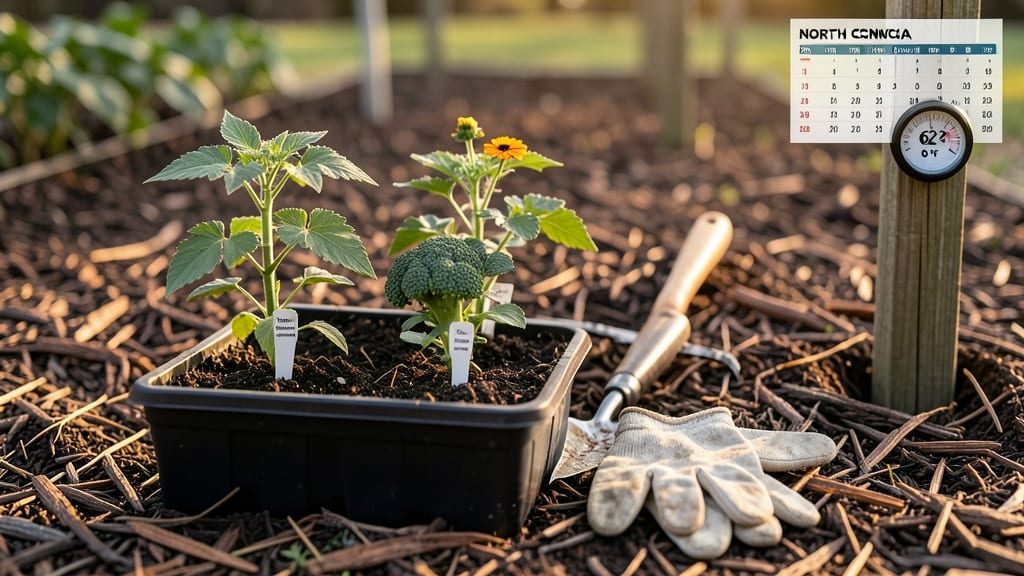
To plant a garden in North Carolina, timing is everything—especially with frost dates that shift from the coast to the mountains.
Picture this: you’ve prepped the soil, ordered seeds, and cleared your schedule for planting day—only to wake up to a surprise frost. North Carolina’s diverse climate means your 🌱 garden’s success hinges on knowing when to start, not just what to grow.
From the Coastal Plain’s early springs to the Mountains’ delayed warmth, each region has its own rhythm. Get the timing right, and you’ll enjoy a bountiful harvest; miss it, and you might be left with wilted seedlings or stunted plants.
Here’s how to align your planting schedule with NC’s frost-free windows, crop types, and even microclimates—so you can start confidently and harvest successfully all season long.
NC frost-free dates by planting Zone: when to start outdoor gardens
North Carolina spans 8 USDA planting zones (5a–8a), creating dramatic differences in frost timing from the coastal plains to the mountains. In Zone 5a (western mountains), gardeners face late springs and early frosts, while Zone 8a (coastal areas) enjoys extended growing seasons.
These variations mean your last frost date could differ by 6 weeks or more across the state.
For cool-season crops like kale and broccoli, timing is everything—plant too early, and frost will kill seedlings. For warm-season favorites like tomatoes and peppers, waiting until after the last frost ensures strong starts.
Below, I’ve broken down the average frost-free dates by zone, plus regional adjustments to help you plan with confidence.
Pro Tip: Check local weather patterns for the past 5 years—your microclimate (e.g., urban heat islands or sheltered valleys) can shift frost dates by 1–2 weeks. Tools like the NC State Climate Office provide hyper-local data.
| Zone/Region | Last Frost Date | First Frost Date | Growing Season Length | Cool-Season Planting Window | Warm-Season Planting Window |
|---|---|---|---|---|---|
| 5a (Mountains: Boone, Spruce Pine) | April 15–May 1 | October 15–November 1 | 180–200 days | March–April (cover seedlings) | May 15–June 1 (after soil warms) |
| 6a (Piedmont: Greensboro, Raleigh) | March 30–April 15 | November 1–November 15 | 200–220 days | February–March (hardy greens) | April 15–May 10 |
| 6b (Coastal Piedmont: Fayetteville) | March 15–March 30 | November 15–December 1 | 220–240 days | January–February (spinach, peas) | March 20–April 15 |
| 7a (Central: Charlotte, Durham) | March 1–March 15 | November 15–December 1 | 240–260 days | January–March (broccoli, carrots) | March 1–April 1 |
| 7b (Coastal: Wilmington, Jacksonville) | February 15–March 1 | December 1–December 15 | 260–280 days | December–February (cabbage, lettuce) | February 15–March 15 |
| 8a (Outer Banks, Eastern NC) | January 15–February 1 | December 15–January 1 | 280–300+ days | November–February (year-round greens) | January 15–February 15 |
| 8b (Coastal: Hatteras, Cape Fear) | January 1–January 15 | December 1–December 15 | 300+ days (tropical crops possible) | October–March (peppers, eggplant) | January 1–February 1 |
*Dates are averages—always verify with local sources like NC State Extension.
Notice how Zone 5a (mountains) has a shorter growing season than Zone 8a (coast)? This means mountain gardeners should focus on fast-maturing varieties (e.g., bush beans instead of pole beans) or use row covers to extend spring. Meanwhile, coastal gardeners can plant warm-season crops like okra or <
Best planting times for NC’s most popular vegetables and herbs
Timing is everything in North Carolina’s garden, where warm-season crops like tomatoes and peppers need heat to thrive, while cool-season greens bolt in summer’s humidity. The key?
Align your planting with soil temperatures and last frost dates, which vary from March in Zone 8a (coastal) to May in Zone 6a (mountains). I’ll break down the ideal windows for your top picks—plus how to stretch harvests with succession planting.
For tomatoes and peppers, wait until soil hits 60°F+—usually late April to early May in most of NC. Squash and cucumbers are equally heat-loving, but they tolerate slightly cooler starts.
Meanwhile, leafy greens like spinach and kale thrive in spring (March–April) and fall (August–September) when temps dip below 80°F. Herbs like basil and cilantro have their own sweet spots too.
🌱 NC Planting Timeline by Crop
- March–April: Plant cool-season crops (spinach, kale, lettuce) and herbs like parsley. Start indoor seedlings for tomatoes/peppers.
- April–May: Transplant tomatoes, peppers, squash after last frost. Direct-sow beans, corn, cucumbers.
- June–July: Succession plant greens for fall harvest. Watch for bolting in heat-sensitive herbs.
- August–September: Plant fall greens (mustard, arugula) and late tomatoes (heat-tolerant varieties).
- October: Harden off cool-season herbs (cilantro, dill) for late harvests.
Pro tip: Use succession planting to keep harvests rolling. For example, sow bush beans every 2–3 weeks from May to July for continuous pods.
With peppers, opt for early varieties like ‘Early Cal Wonder’ (60 days) or late varieties like ‘Jupiter’ (80 days) to extend your season. Squash and cucumbers thrive when planted after soil warms, but their vines sprawl—save space with trellises.
Herbs deserve special attention. Basil hates frost—plant it after Memorial Day—while cilantro bolts in heat, so sow it in fall or early spring. Rosemary and thyme are perennial powerhouses; plant them in spring or early fall for year-round use.
For greens, try ‘Flashy Trout Back’ kale, which handles light frosts, or ‘Black Seeded Simpson’ lettuce, which bolts slower in summer.
Adjust for your microclimate: Coastal NC’s warmer winters let you plant spinach in December, while mountain zones may need row covers to protect early crops. Always check soil temps with a probe—50°F+ for greens, 60°F+ for warm-season crops. And remember: overcrowding stunts growth, so thin seedlings early!
With these timelines, you’ll avoid the common NC pitfalls—frost-nipped tomatoes or heat-stressed herbs—and enjoy a garden that’s always productive. Happy planting! 🌿