
Planting
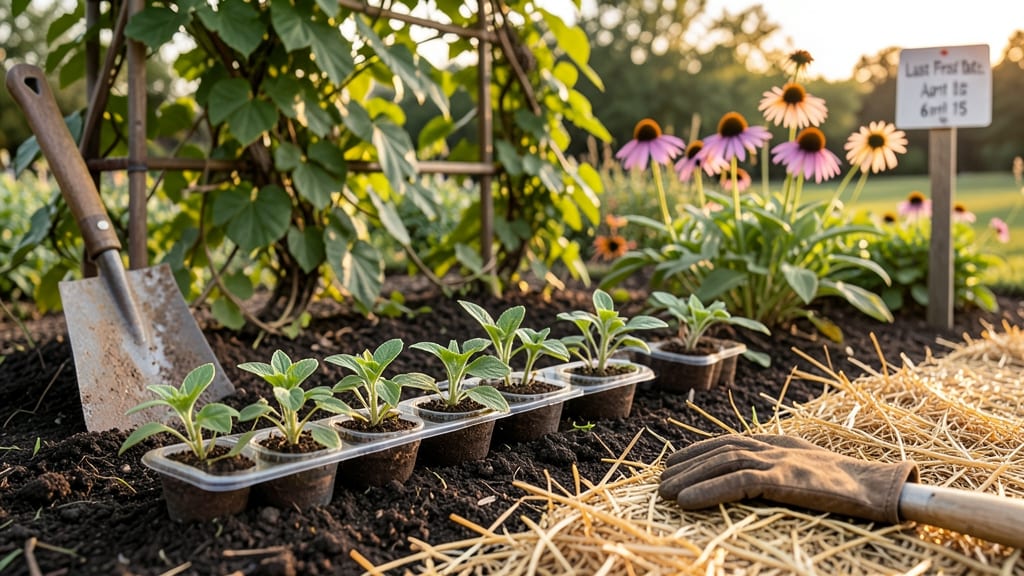
Planting a garden in Nebraska means timing your crops to dodge late frosts and early freezes—mid-April to mid-May is your sweet spot for most 🌱 vegetables and flowers, but the exact date depends on your zone.
Nebraska’s unpredictable frost dates can make or break your garden—plant too early, and your seedlings freeze; too late, and pests take over. But with the right timing, you can grow a thriving harvest year after year.
Whether you’re sowing cool-season crops like peas or waiting for warm-weather tomatoes, knowing your last frost date is the key. In zones 5a-6b, that’s typically around April 15, but microclimates can shift those dates by weeks.
Below, I break down the best planting schedule for Nebraska’s top crops, how to adjust for early or late years, and pro tips to extend your growing season—so you can enjoy fresh harvests from spring to fall.
Nebraska frost dates by region: when to Plant cool vs warm season crops
Nebraska’s USDA Hardiness Zones 5a-6b create a unique gardening challenge, where last frost dates can vary by 3-4 weeks from western plains to eastern valleys. Understanding these regional frost patterns helps you align your planting schedule with nature’s rhythm—avoiding those heartbreaking frost-killed seedlings while maximizing your harvest potential.
For example, Omaha (Zone 5b) typically sees its average last frost around April 15, while Lincoln (Zone 6a) holds off until May 1. Meanwhile, Panhandle regions (Zone 5a) might not be frost-free until mid-May.
These differences mean cool-season crops like spinach or peas can start 4-6 weeks earlier in eastern Nebraska compared to the west.
Here’s the golden rule for Nebraska gardeners: plant cool-season crops (like kale, carrots, or broccoli) 4-6 weeks before your last frost date, and warm-season crops (such as tomatoes, peppers, or corn) 2 weeks after.
This timing ensures your plants establish roots before summer heat or late frosts strike.
Use this interactive frost-date calculator from the Nebraska State Climate Office to pinpoint your exact planting windows: [Nebraska Frost Calculator](https://climate.unl.edu/). Simply input your zip code, and it’ll generate historical frost data for your specific area—saving you from guesswork.
🌱
For cool-season crops, think of March and early April as your prime planting window. These hardy plants—like spinach, radishes, and peas—thrive in cooler temperatures and can even handle light frosts.
In fact, some leafy greens (such as kale or Swiss chard) taste sweeter after a light frost! Start seeds indoors 6-8 weeks before your last frost date for a head start.
Warm-season crops, however, demand patience. Tomatoes, peppers, and squash need consistent soil temperatures above 60°F to germinate. That’s why I always wait until 2 weeks after the last frost date—usually mid-May in most of Nebraska—before transplanting seedlings.
For extra insurance, use row covers or a mini greenhouse to protect tender plants from late frosts
Best planting schedule for Nebraska’s top 10 vegetables (with adjustments for early/late years)
Nebraska’s variable climate means your planting schedule should be flexible—some years, you’ll plant tomatoes in late April, while others may require waiting until mid-May. The key is understanding your last frost date (typically April 15 in most zones) and adjusting for early vs late years.
For example, corn and beans thrive when soil temps hit 60°F, while lettuce can handle cooler 50°F soils.
Succession planting is your secret weapon for extended harvests. By staggering peas, radishes, and spinach every 2 weeks from April to June, you’ll enjoy fresh produce all summer long. Meanwhile, warm-season crops like squash and peppers need to wait until after Memorial Day to avoid frost damage.
Always check soil temperatures with a probe—50°F for cool crops, 60°F+ for warm ones.
For late years, focus on heat-tolerant varieties like Okra or Sweet Potatoes, which can handle Nebraska’s 90°F+ summers. If frost threatens early, use row covers to protect broccoli and cabbage planted in August. Always monitor weather forecasts—a