
Planting
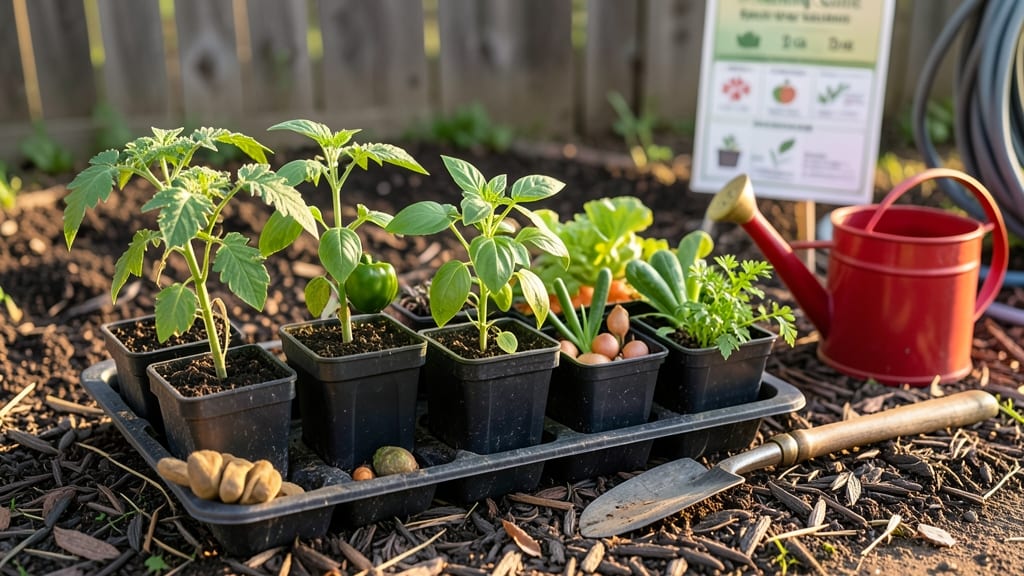
To plant a garden in Zone 7, timing it right means the difference between a bountiful harvest and a wasted season.
Zone 7 gardeners know timing is everything—plant too early and frost will strike, too late and your harvest suffers. But with the right frost-free schedule, you can maximize yields for tomatoes, herbs, and more.
Spring planting kicks off around March 15, when soil temperatures rise and the risk of frost drops. Cool-season crops like lettuce and peas can go in as early as February, while warm-season favorites like basil and cucumbers wait until after April 15.
Below, I’ll break down the exact planting windows for every crop, plus pro tips to stretch your growing season—so you can avoid the common mistakes that leave gardens half-empty.
Zone 7 planting timeline by last frost date (with exact months)
In USDA Zone 7, your last average frost date typically falls around April 15, while the first frost arrives around November 15.
This gives you a 180-day growing season—plenty of time for warm-season crops like tomatoes and peppers, but you’ll need to plan carefully for cool-season crops that can handle light frosts.
Microclimates (like urban heat islands or sheltered valleys) can shift these dates by 1-2 weeks, so always monitor local forecasts.
For spring planting, start cool-season crops like lettuce and peas 4-6 weeks before last frost (around March 1). Warm-season crops like cucumbers and beans should wait until 2 weeks after last frost (around May 1) to avoid frost damage.
In fall, you can extend your harvest by planting cold-hardy crops like kale and spinach 8-10 weeks before first frost (around September 15).
Here’s a quick reference for your Zone 7 planting timeline, including early, mid, and late-season varieties:
| Crop Type | Planting Window | Notes |
|---|---|---|
| Cool-Season Vegetables | March 1–April 15 September 15–October 31 |
Lettuce, spinach, peas, broccoli. Use row covers for early/late plantings. |
| Warm-Season Vegetables | May 1–June 15 | Tomatoes, peppers, cucumbers, beans. Wait until soil is 60°F+. |
| Herbs | March 15–May 1 August 1–September 15 |
Basil, cilantro (spring/fall); rosemary, thyme (spring only). |
| Flowers | April 1–May 15 July 1–August 15 |
Marigolds, zinnias, sunflowers. Deadhead for continuous blooms. |
| Perennials | March 15–April 30 | Daylilies, lavender, asparagus. Plant crowns 2 inches deep. |
For warm-season crops, timing is critical—plant tomatoes and peppers too early, and they’ll sulk in cold soil. Start seeds indoors 6-8 weeks before last frost (around February 28) for a head start.
If you’re growing short-season varieties like bush beans (50-60 days to harvest), you can squeeze in a second planting in mid-July for a fall crop.
In fall, focus on cold-hardy crops like kale and radishes, which can tolerate light frosts. Plant broccoli and cabbage by August 15 for a late-season harvest. Use black plastic mulch to warm soil for early spring plantings or straw mulch to protect fall crops from temperature swings.
Don’t forget herbs—many thrive in Zone 7’s mild winters. Plant parsley and cilantro in early spring (March) and again in late summer (August) for a double harvest. Basil, however, is a warm-season herb and should wait until after last frost (May 1).
If you’re in a microclimate (like a south-facing slope or urban heat island), you can push planting dates 1-2 weeks earlier in spring or 2 weeks later in fall.
For example, tomatoes might tolerate direct planting by April 22 in a sheltered spot. Always check your local frost-free date—it can vary by 10+ days even within Zone 7.
Pro tip: Use frost clocks or almanac apps to track your historical frost dates. In Zone 7, a late frost can hit as late as May 10, so keep row covers handy for early plantings.
For fall crops, a hard frost might arrive by November 1, so plan your last plantings accordingly.
With this Zone 7 planting timeline, you’ll avoid the common mistakes of planting too early or too late. Stick to these windows, and you’ll enjoy a bountiful harvest from spring greens to fall squash—without the stress of frost damage! 🌱
Best crops to plant in Zone 7 by season (and when to avoid them)
In Zone 7, your planting schedule hinges on understanding cool-season vs. warm-season crops. Cool-season plants like spinach and kale thrive in spring and fall, while warm-season favorites like tomatoes and peppers need after the last frost.
But timing isn’t just about the calendar—it’s about avoiding common mistakes like planting warm-season crops too early, which can stunt growth or invite disease.
For short-season varieties, like bush beans or radishes, you might need to start seeds indoors or use season extenders to squeeze in a harvest. Meanwhile, perennials like asparagus or rhubarb have their own ideal planting windows—often in early spring—to establish strong roots before summer heat sets in.
Here’s your seasonal planting breakdown, including what to plant, when to avoid certain crops, and alternative strategies for tricky varieties:
- 🌿 Early Spring (March–April): Cool-season crops like lettuce, peas, and onions. Avoid warm-season plants—they’ll rot in cool soil.
- ☀️ Late Spring (May–June): Warm-season crops like tomatoes, cucumbers, and squash after last frost (mid-April). Skip bolting greens like arugula—they’ll go to seed fast.
- 🍂 Fall (August–September): Cool-season crops again for fall harvests. Plant kale, carrots, and spinach 8–10 weeks before first frost (mid-November). Avoid warm-season transplants—they won’t recover.
- ❄️ Late Fall (October–November): Garlic and hardy perennials like asparagus. Skip tender annuals—they won’t survive freezing temps.
- 🌱 Short-Season Hacks: Use row covers to plant cold-sensitive crops 2–3 weeks earlier. For late harvests, try fast-maturing varieties like ‘Early Girl’ tomatoes (55 days).
One of the biggest mistakes I see in Zone 7 gardens is planting warm-season crops like peppers too early. Even if the soil feels warm, nighttime temps below 50°F can shock seedlings. Instead, wait until soil temps hit 60°F+ and use black plastic mulch to warm the ground faster.
For cool-season crops, the opposite is true—planting too late in summer means they’ll bolt before you get a harvest.
If you love herbs like basil, know it’s a warm-season annual that won’t survive frost. Start seeds indoors in March and transplant after last frost. For a second crop, try container gardening—move pots indoors before first frost to extend the season.
Similarly, green onions are cool-season tolerant and can handle light frosts, making them a great fall crop.
For perennials, timing matters too. Asparagus crowns should go in early spring (March) so they establish roots before summer heat. Rhubarb, another perennial, prefers cool climates and can be planted in fall or early spring.
The key is to avoid planting too late in summer, when roots struggle to establish before winter.
Pro tip: Use succession planting to keep your garden productive. After harvesting early radishes (30 days), replant with bush beans (50–60 days). This ensures you’re always harvesting something without overcrowding.
And if you’re tempted to plant fall crops too close to frost, opt for fast-maturing varieties or protect with row covers to buy extra weeks.