
Plants
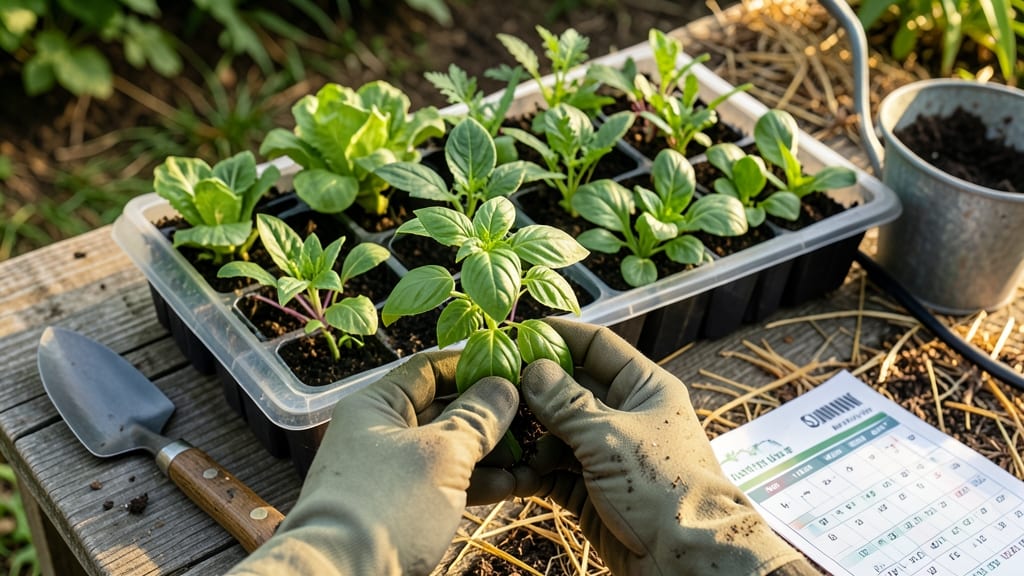
Planting garden plants at the right time means the difference between a lush harvest and wasted effort—especially when you’re working with 6a’s last frost date of April 15.
Ever stared at a seed packet wondering, "Is it too early to plant these tomatoes?" or "Did I miss the window for my herbs?" Timing isn’t just about guessing—it’s about matching your 🌱 garden plants to your region’s frost-free deadlines.
In Zone 6a, that means waiting until soil warms to 60°F and the air stays reliably above freezing.
This guide cuts through the confusion with exact planting windows for everything from cool-season veggies to heat-loving annuals. You’ll learn how to adjust for microclimates (like urban heat islands) and avoid the 3 most common mistakes that kill seedlings before they even sprout.
Ready to stop second-guessing? I’ll walk you through the ideal months for your zone, plus how to stretch your growing season with simple tricks—so you’re harvesting long after your neighbors’ gardens go quiet.
Frost-free planting deadlines by USDA hardiness zones: exact dates for success
Getting your planting timeline right is the foundation of a successful garden. Frost-free dates determine when to start seeds indoors, transplant seedlings, and sow directly in the soil. Missing these windows can leave your plants vulnerable to frost damage or stunted growth.
Each USDA hardiness zone has distinct deadlines—from the coldest Zone 3 to the warmest Zone 11—so knowing your local frost dates is non-negotiable.
For example, gardeners in Zone 5 (like Chicago or Denver) face a 120-day growing season, while those in Zone 9 (like Los Angeles) enjoy a 300-day frost-free period. These differences mean tomatoes can be direct-sown in March in Zone 9 but must wait until May in Zone 5.
Let’s break down the exact frost-free deadlines by zone and how they impact your planting schedule.
| USDA Zone | Avg. Last Frost | Avg. First Frost | Spring Planting Window | Fall Planting Window | Cold-Hardy Crops | Tender Plants |
|---|---|---|---|---|---|---|
| Zone 3 (-40°F to -30°F) | May 15 | September 15 | Late May to early June | July to early August | Kale, peas, potatoes | Tomatoes, basil (start indoors) |
| Zone 4 (-30°F to -20°F) | May 1 | October 1 | Early May to mid-May | June to July | Spinach, broccoli, carrots | Peppers, cucumbers (after frost) |
| Zone 5 (-20°F to -10°F) | April 15 | October 15 | Mid-April to early May | Late June to early July | Onions, lettuce, radishes | Zucchini, eggplant (late May) |
| Zone 6 (-10°F to 0°F) | March 31 | November 1 | Late March to April | Late July to August | Garlic, cabbage, peas | Melons, okra (after frost) |
| Zone 7 (0°F to 10°F) | March 15 | November 15 | Early March to mid-April | August to September | Brussels sprouts, kale | Sweet potatoes, peppers |
| Zone 8 (10°F to 20°F) | February 15 | December 15 | January to March | September to October | Asparagus, artichokes | Tropical plants (start early) |
| Zone 9 (20°F to 30°F) | January 15 | January 15 | December to February | October to November | Broccoli, cauliflower | Year-round tomatoes, peppers |
| Zone 10 (30°F to 40°F) | None (rare frost) | None (rare frost) | Year-round (seasonal crops) | Year-round (seasonal crops) | Citrus, olives | Tropical flowers, herbs |
How to adjust planting times for your local microclimate: beyond the Zone mapYour USDA hardiness zone gives you a starting point, but your local microclimate holds the key to perfect planting times. Even neighbors just a few miles apart may experience 1-2 week differences in frost dates due to elevation, urban heat, or coastal breezes. Ignoring these factors can mean stunted growth or wasted seeds—so let's fine-tune your schedule. Start by checking your last frost date and first frost date, but adjust these by 3-7 days based on your specific location. For example, a mountain valley often freezes earlier than surrounding hills, while urban areas can stay warmer due to concrete absorbing heat. Coastal regions may have milder winters but cooler summers—both affect when to plant heat-loving crops like tomatoes or cool-season veggies like lettuce.
Don’t rely solely on almanac frost dates—track your own local patterns for 2-3 years. Note when frost occurs, how soil warms, and which plants thrive in your spot. For example, if zucchini always bolts by July in your area, opt for bush varieties or start seeds 2 weeks later than recommended. Use historical weather data from your local agricultural extension office or NOAA climate tools to spot trends. If your area has unpredictable spring frosts, wait until mid-May to plant tender annuals like petunias, even if the zone map suggests earlier. For perennials, divide and transplant in early spring or fall, avoiding extreme heat or cold. Pro tip: Test your soil 2 weeks before planting to ensure it’s warm enough and moisture-retentive. Amend with compost if needed, and mulch after planting to lock in heat and prevent soil temperature swings. With these adjustments, you’ll maximize your garden’s potential—no more guessing, just thriving plants! 🌱 |