
Plants
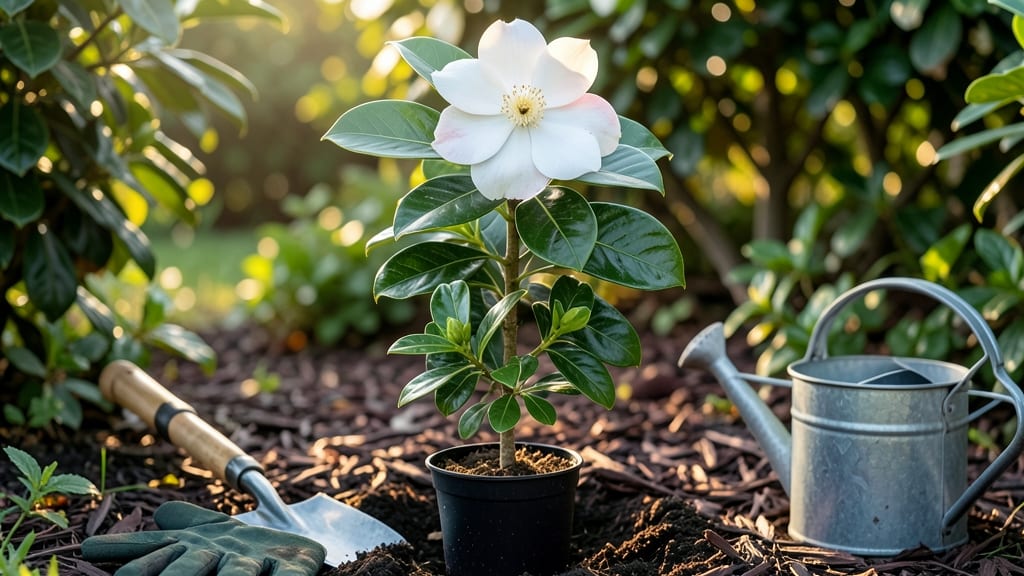
Plant gardenias in Texas between February and March — timing that lets their roots establish before summer’s brutal heat, not after.
Texas gardeners know the struggle—blistering summers can kill delicate plants, but gardenias thrive in heat if planted at the perfect time. Learn the exact window to plant these fragrant favorites for lush, year-round blooms without risking root shock or wilting.
In North Texas (Zone 8a), where frosts linger until mid-February, wait until after the last frost date—usually by early March. South Texas (Zones 9b-10a) can plant as early as late January, but avoid waterlogged soil in the clay-heavy regions.
Below, I’ll break down the best months by zone, how to prep soil for Texas’ extreme heat, and the three mistakes that kill gardenias before they even bloom.
Best planting months for gardenias in Texas zones (7-10)
Texas gardeners often ask: When to plant gardenias in our brutal heat? The answer depends on your USDA zone—whether you're in North Texas (7-8) or South Texas (9-10). Gardenias need time to establish roots before summer's scorching temperatures arrive, so timing is everything.
Plant too early, and frost can damage young plants; too late, and they'll struggle with heat stress.
My top recommendation is early spring (March-April) for most Texas zones, but late winter (February) works in Zone 10 where frost is rare. The key is avoiding soil temperatures above 75°F during root establishment, which can cause wilting.
Let's break down the perfect planting windows by zone to ensure your gardenias thrive.
Comparison Table of optimal planting months for gardenias across Texas zones:
For Zone 7 gardeners, I recommend waiting until after April 1st to plant gardenias, as late frosts can still occur. In Zone 10, you can even plant as late as early February, but be prepared for summer heat by providing afternoon shade during establishment.
The soil temperature is your best guide—use a soil thermometer to confirm it's below 75°F before planting.
An alternative strategy is fall planting (September-October) in Zones 8-10, which gives roots time to establish before summer. However, this requires extra mulching (3-4 inches of organic mulch) to protect roots from winter cold snaps.
I've had success with this method in San Antonio (Zone 8b), where the cooler winters allow for a second planting window.
One common mistake I see is planting gardenias in mid-summer, thinking they'll handle the heat. While gardenias are heat-tolerant once established, young plants need 6-8 weeks of cooler temperatures to develop strong root systems.
Planting in June or July often leads to wilting and root rot due to the stress of high soil temperatures combined with Texas' intense sun.
If you're planting container gardenias, timing becomes even more critical. Containers heat up 30-50% faster than garden beds, so aim for March-April planting regardless of zone. Use light-colored containers (to reflect heat) and self-watering pots to maintain consistent moisture during establishment.
I've had great success with 5-gallon fabric pots filled with 50% peat moss and 50% perlite for improved drainage.
Pro tip: If you must plant in late spring (May), choose shadier locations (like under mature oak trees) and water deeply every 2-3 days to help roots establish. I've revived several struggling gardenias by moving them to morning sun only positions during their first summer.
The key is patience—gardenias planted in May may not bloom until their second year.
Remember that gardenias need acidic soil (pH 5.0-6.5), so test your soil before planting. Texas' native clay soils are often alkaline (pH 7.5+), which can stunt growth. Amend with sulfur or peat moss to lower pH before planting.
I've seen gardenias planted in unamended Texas soil fail to bloom for years until the soil pH was corrected.
Finally, consider your gardenia's variety—some like 'Kleim's Hardy' tolerate heat better than 'Radicans'. For Zone 7 gardeners, hardy varieties give you a 10-14 day head start on establishment before summer heat arrives. Always check the USDA hardiness zone of your specific variety before planting.
How to prepare gardenias for Texas heat before and after planting
Texas summers can turn gardenias into a high-maintenance headache if you don’t prepare them properly. These fragrant shrubs love warmth but despise sudden heat shocks—especially when their roots are still establishing.
To ensure your gardenias thrive in 90°F+ temperatures, start with acclimation and soil protection before planting, then adjust your care routine once they’re in the ground.
Native Texas soils are often alkaline and clay-heavy, which gardenias hate. They need acidic, well-draining soil with a pH between 5.0–6.5—far from the typical Texas 7.5–8.5. Amending your soil with peat moss or pine bark before planting is non-negotiable.
If you’re planting in heavy clay, mix in sand or compost to improve drainage. Without these adjustments, your gardenias will struggle to establish roots, leaving them vulnerable to heat stress.
Step-by-Step Pre-Planting & Post-Planting Care for Texas Gardenias
- 🌱 Step 1: Harden Off Nursery Plants (2 Weeks Before Planting)
Move potted gardenias outdoors during the day (starting with 2–3 hours) and bring them back inside at night. Gradually increase exposure to full sun over 7–10 days to avoid transplant shock. - 🪴 Step 2: Amend Soil with Acidic Mix
Dig a hole twice as wide as the root ball. Mix equal parts native soil, peat moss, and compost (or 50% soil + 50% pine bark). Avoid fresh manure—it raises pH and burns roots. - ☀️ Step 3: Plant in Early Morning or Late Afternoon
Choose a partially shaded spot (morning sun only). Plant at the same depth as the nursery pot, firming soil gently to eliminate air pockets. Water immediately with 1 gallon of water per plant. - 💧 Step 4: Mulch Heavily (3–4 Inches)
Use pine straw or shredded bark (not dyed mulch—it’s alkaline). Keep mulch 2–3 inches away from the trunk to prevent rot. This mimics their native humid, shaded forest floors. - 📅 Step 5: Watering Schedule (First 30 Days)
Morning only: Water deeply every 2–3 days (1–2 gallons per plant). Avoid wetting leaves to prevent fungal diseases like powdery mildew. Use a soaker hose for targeted root hydration. - ✂️ Step 6: Prune After First Bloom Cycle
Trim dead or leggy branches in late summer (August–September). Never prune in spring—you’ll sacrifice blooms. Sterilize shears with rubbing alcohol to prevent bacterial spread.
Once your gardenias are planted, consistent moisture is key—especially during Texas’ brutal summer months. After the initial 30-day critical period, reduce watering to every 5–7 days but deep-soak each time. Let the top 1–2 inches of soil dry between waterings to prevent root rot.
If your gardenia’s leaves start yellowing or dropping, it’s often a sign of overwatering or poor drainage—not heat stress.
To boost heat tolerance, feed your gardenias with an acid-loving fertilizer (like azalea/camellia mix) in early spring and lightly in summer (June–July). Avoid high-nitrogen fertilizers—they promote leafy growth at the expense of fragrant blooms.
Prune spent flowers regularly to encourage more blooms and improve airflow, reducing humidity-related diseases. With these adjustments, your gardenias will reward you with year-round fragrance—even in the hottest Texas summers.
Pro tip: If you’re in North Texas (Zone 8), plant in late February–March to avoid late frosts. South Texas (Zone 10) gardeners can plant as early as January, but protect young plants with shade cloth until roots establish.
Patience is key—gardenias take 1–2 years to mature fully, but the effort pays off with glossy, fragrant blooms that perfume your yard for months.