
Planting
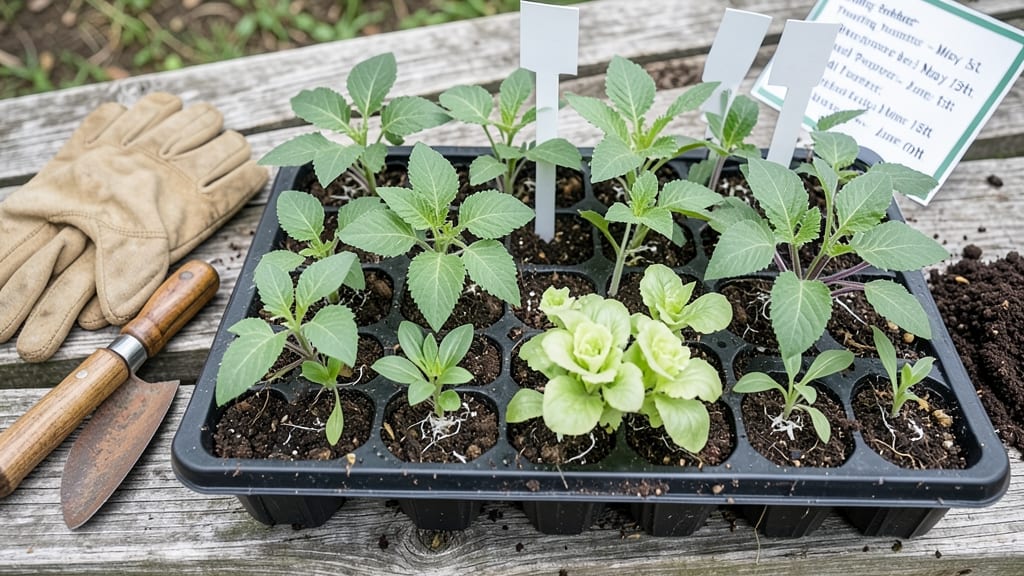
Planting a vegetable garden in Oklahoma depends on your exact microclimate, where last frost dates can shift by weeks from the Panhandle to the Arklatex region.
Most gardeners here still follow outdated national averages—like waiting until Memorial Day—only to watch their tomatoes bolt in the heat or their peas freeze overnight. That’s why Oklahoma State University Extension recommends zone-specific deadlines, not a one-size-fits-all calendar.
In this guide, I’ll break down the ideal planting windows for your corner of the state, from cool-season crops like broccoli (plant in March) to heat-lovers like okra (wait until May).
You’ll also learn how to stretch your season with row covers, soil warming tricks, and irrigation hacks for Oklahoma’s clay-heavy soils.
Skip the guesswork: by the end, you’ll know exactly when to put seeds in the ground for bigger harvests and fewer frost-related failures.
Oklahoma planting deadlines by microclimate: USDA Zones 6b-8a breakdown
Oklahoma’s USDA Zones 6b-8a create dramatic planting differences across just 200 miles. The Panhandle (6b-7a) faces earlier frosts than Arklatex (8a), where summer heat arrives weeks sooner. Knowing your last-frost dates and heat-tolerant windows determines whether your tomatoes thrive or bolt before fruiting.
I’ve broken down Oklahoma’s 5 key microclimates with precise planting deadlines, including soil-warming hacks for Zone 7b+ areas where summer arrives early. Whether you’re in clay-heavy North Central Oklahoma or humid Southeast Oklahoma, these schedules align with Oklahoma State University Extension data for maximum success.
For cool-season crops like lettuce and peas, timing is critical—plant too late and they’ll bolt in the heat. Warm-season crops like okra and sweet potatoes need soil temperatures above 60°F to germinate, which varies by region. Let’s dive into your specific zone’s deadlines.
| Region | USDA Zone | Last Frost Date | Cool-Season Planting (Mar-May) | Warm-Season Planting (Apr-Jun) | Soil-Warming Tip |
|---|---|---|---|---|---|
| Panhandle (Amarillo, Guymon) | 6b-7a | April 15-May 1 | Mar 15-Apr 15 (peas, spinach, broccoli) | May 15-Jun 15 (tomatoes, peppers, beans) | Black plastic mulch 2 weeks before planting |
| North Central (Oklahoma City, Stillwater) | 7a-7b | March 31-April 15 | Feb 28-Apr 1 (lettuce, kale, onions) | Apr 15-May 31 (cucumbers, squash, okra) | Clear plastic tunnels for early starts |
| Oklahoma City Metro | 7b | March 20-April 5 | Mar 1-Apr 10 (carrots, radishes, peas) | Apr 10-May 20 (peppers, eggplant, sweet potatoes) | Straw mulch to retain heat in raised beds |
| Southeast (Tulsa, McAlester) | 7b-8a | March 10-April 1 | Feb 15-Mar 31 (collards, turnips, cabbage) | Mar 20-Apr 30 (tomatoes, melons, peppers) | Drip irrigation + black landscape fabric |
| Arklatex (Fort Smith, Texarkana) | 8a | February 28-March 15 | Jan 15-Feb 28 (spinach, lettuce, peas) | Feb 20-Mar 31 (okra, sweet potatoes, black-eyed peas) | Row covers for early cool-season crops |
In Zone 7b+ areas like Oklahoma City and Southeast Oklahoma, summer heat arrives by mid-April, making soil warming essential. Use black plastic mulch or straw mulch to raise soil temperatures 5-10°F faster than uncovered beds.
This lets you plant warm-season crops like tomatoes 2-3 weeks earlier without risking frost damage.
For cool-season crops, the Panhandle’s later frost dates mean you must plant peas and spinach by April 15 to avoid bolting. Meanwhile, Arklatex gardeners can start lettuce in January thanks to milder winters. Always check 7-day forecasts before planting near your last-frost date.
Pro tip: Oklahoma’s clay soils retain moisture but heat up slowly. Amend with compost or aged manure before planting to improve drainage and warmth. In Zone 6b areas, consider cold frames to extend the season by 3-4 weeks for broccoli and cabbage.
Heat-tolerant crops like okra and sweet potatoes thrive in Oklahoma’s summer, but they need consistent moisture. In Zone 8a’s Arklatex region, plant okra after May 1 to avoid stunted growth from early heat waves.
For peppers and eggplant, wait until soil temps hit 70°F—usually mid-April in Southeast Oklahoma.
Remember: Oklahoma’s weather is unpredictable. Use row covers for early cool-season crops or shade cloth for summer plants to protect against sudden temperature swings
Heat-tolerant vs. cool-season crops: Oklahoma’s best planting pairings
Oklahoma’s summer heat can reach 100°F+, making heat-tolerant crops your best bet for June-August harvests. But don’t overlook cool-season crops—they thrive in spring/fall when temps dip below 85°F. The key is pairing them strategically to extend your harvest by 4-6 weeks using companion planting and staggered schedules.
For example, okra and sweet potatoes love Oklahoma’s heat, while broccoli and peas bolt in summer. By planting heat-lovers in late May and cool-season crops in early September, you’ll enjoy fresh produce year-round. This dual approach also maximizes your garden’s space and sunlight.
🌱 Heat-Tolerant Crops (Summer Planting)
| Crop | Planting Window | Pros | Cons |
|---|---|---|---|
| Okra | Late May–July | Thrives in 90°F+; drought-resistant | Slow to mature (50–60 days) |
| Sweet Potatoes | April–June | Loves hot, dry soil; stores well | Needs 100+ days to harvest |
| Black-Eyed Peas | March–June | Fixes nitrogen; heat-tolerant varieties | Susceptible to bean beetles |
🌿 Cool-Season Crops (Spring/Fall Planting)
| Crop | Planting Window | Pros | Cons |
|---|---|---|---|
| Broccoli | February–March or August–September | Loves cool, moist soil; nutrient-dense | Bolts in 80°F+ heat |
| Cabbage | February–April or August–September | Pests deterred by companion plants like thyme | Slow growth in hot weather |
| Peas | September–October | Ready in 60 days; great for succession planting | Needs cool nights to thrive |
To extend your harvest, pair heat-tolerant crops with shade-loving companions. For example, plant okra near basil to improve flavor and deter pests, while lettuce thrives under sweet potato vines, keeping it cool. This intercropping strategy also prevents soil erosion and retains moisture during Oklahoma’s dry spells.
For fall planting, start cool-season crops like kale and spinach in late July using row covers to protect them from early heat. By mid-August, temps drop enough for these crops to flourish. Similarly, transplant broccoli in early September for a November harvest before frost.
Pro tip: Use mulch (straw or black plastic) to regulate soil temperature. This keeps cool-season crops from overheating in spring and heat-tolerant crops from drying out in summer. In Oklahoma’s Zone 7b-8a, mulch can add 2–3°F to soil warmth, giving you an extra 2-week growing window.
Don’t forget to rotate crops yearly to prevent disease. For instance, if you grew