
Planting
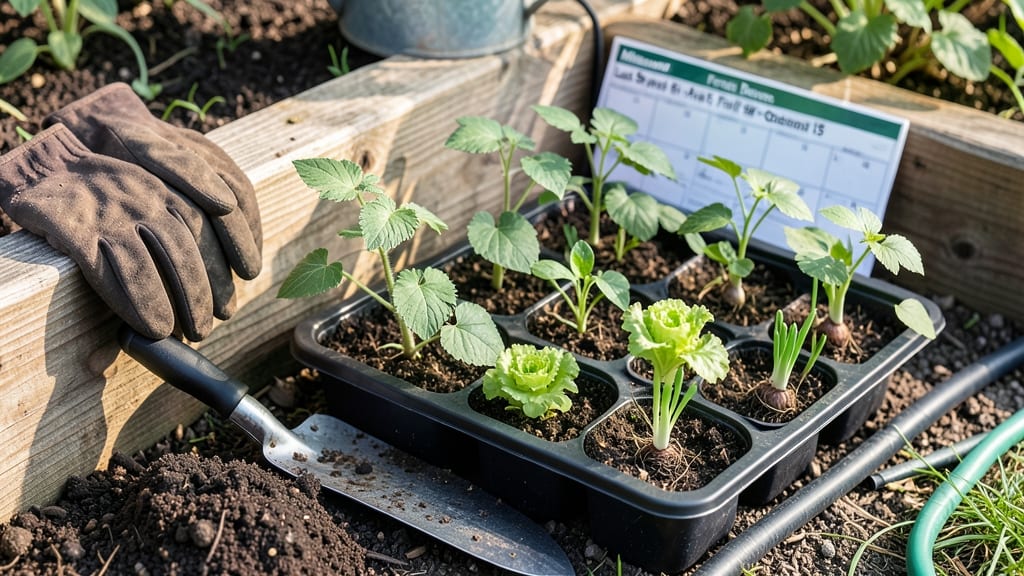
Planting a vegetable garden in Missouri requires timing it just right—spring planting should start 4 to 6 weeks before your last frost, typically between mid-March and early April, depending on your zone.
Missouri’s unpredictable climate can make timing your vegetable garden critical—plant too early and face frost, too late and miss the harvest window. Mastering zone-specific heat-tolerant start dates ensures your tomatoes, peppers, and greens thrive year after year.
From St. Louis’s USDA Zone 6a to Kansas City’s Zone 5b, each region has its own frost dates and ideal planting windows. Cool-season crops like lettuce and spinach can go in as early as February, while warm-season favorites like tomatoes need to wait until soil temperatures hit 60°F.
Below, I’ll break down the exact dates for your area, how to prep soil for Missouri’s clay-heavy conditions, and which vegetables to prioritize for a bountiful harvest—no matter where you garden in the Show-Me State.
Missouri planting zones: heat-tolerant vegetables by last frost dates
Missouri spans USDA Zones 5a-7a, creating dramatic differences in frost timing from northern St. Louis (Zone 6a) to southern Springfield (Zone 7a). Heat-loving vegetables like tomatoes and peppers need precise timing—plant too early and frost zaps seedlings; too late and summer heat stunts growth.
Urban areas often run 2-3°F warmer than rural zones, extending growing seasons by 1-2 weeks.
Your last average frost date determines when to start heat-tolerant crops. In northern Missouri (Zone 5a), expect frost until April 15-30, while southern Missouri (Zone 7a) sees frost risks only until March 15-25.
Always check local Missouri Climate Center data for your exact location—microclimates near rivers or hills can shift frost dates by 10+ days.
For heat-loving vegetables, timing is everything. Start tomatoes and peppers indoors 6-8 weeks before last frost (March 1 in Zone 7a, April 1 in Zone 5a).
Transplant outdoors only after soil reaches 60°F+—use a soil thermometer to avoid cold shock. Squash and okra can handle warmer soil, so wait until May 15+ in northern zones.
Urban gardens often face heat islands—concrete and pavement trap heat, making soil warm up 1-2 weeks earlier than rural areas. Adjust planting by 10-14 days earlier in cities like Kansas City or St. Louis compared to surrounding farmland.
Monitor nighttime temperatures—if they dip below 50°F, protect seedlings with row covers.
Adjust planting for urban vs. rural differences—city gardens often warm up 1-2 weeks faster due to heat island effect. In Zone 6a (St. Louis), start peppers indoors February 28 and transplant May 1, while rural areas near Hannibal may need to wait until May 15.
Use frost-free date calculators from the Missouri Botanical Garden for precise local data.
For tomatoes, choose heat-tolerant varieties like 'Celebrity' or 'Solar Fire'—they handle Missouri’s 90°F+ summers better than standard types. Plant after May 1 in northern zones to avoid blossom drop from late frosts. Peppers need 80°F+ soil—wait until late May in Zone 5a to ensure germination.
Extend your season with black plastic mulch—it warms soil by 5-10°F and suppresses weeds. In Zone 7a, you can even plant fall tomatoes as early as July 15 for a September-October harvest. Always monitor first frost dates—northern Missouri sees frost by October 15-30, while southern
How to adjust planting times for Missouri’s unpredictable weather patterns
Missouri’s unpredictable frost dates and sudden temperature swings can turn a perfect planting plan into a failed harvest overnight. I’ve learned the hard way—last year’s early May freeze wiped out my basil seedlings!
The key is flexibility, using tools like row covers and succession planting to stretch your growing season safely.
Start by monitoring your local USDA Zone 5-6 frost dates (typically April 15-May 15 for last frost, October 15-November 1 for first frost). But don’t rely solely on averages—use a soil thermometer to confirm when temperatures hit 50°F+ for cool crops or 70°F+ for heat-lovers like tomatoes.
This small step saved my pepper plants from a late April chill.
- Use floating row covers to protect seedlings from late frosts (remove when flowers appear to allow pollination).
- Plant cool-season crops like spinach and kale 8 weeks before last frost—they’ll survive light freezes.
- Try a cold frame for early spring starts—it can add 2-4 weeks to your planting window.
- Practice succession planting every 2 weeks for crops like lettuce or beans to ensure continuous harvests.
- For late summer heatwaves, use shade cloth (30-50%) to protect delicate greens like Swiss chard.
Don’t overlook microclimates—your south-facing slope might warm up 2 weeks earlier than your north-facing yard. I test mine by planting radishes (fast-growing indicators) in both spots. If they thrive in one area but bolt in another, adjust your tomato transplant dates accordingly.
For heat-sensitive crops like cucumbers, time planting to avoid July’s brutal 90°F+ days. Instead, opt for early June or late August starts when temperatures dip slightly. Pair this with drip irrigation to keep roots cool—my zucchini plants produced twice as much using this method last summer.
When unexpected freezes hit (like the 2022 Halloween frost that shocked many gardeners), act fast. Cover plants with burlap or cardboard and surround them with straw mulch to insulate roots. I’ve also had success with Christmas lights draped over tender plants—they add 10-15°F of protection.
Remember, Missouri’s short growing season demands creativity. By combining season extenders, succession planting, and microclimate awareness, you can turn even the most unpredictable weather into a gardening advantage.
Start small, observe your plot’s quirks, and don’t hesitate to adjust on the fly—that’s how I’ve gone from 50% harvest success to 90%+ in just 3 years. 🌱