
Planting
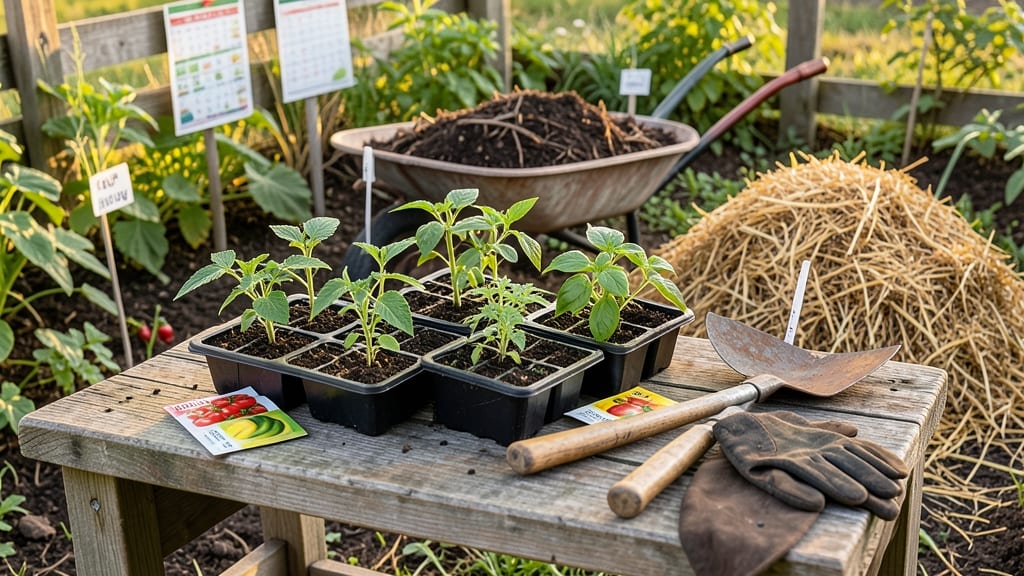
Planting your garden in Ohio after the last frost date — typically mid-April to mid-May — is the key to avoiding frost damage and maximizing your harvest.
Ohio’s unpredictable frost dates can make or break your garden—plant too early, and your seedlings become frost casualties; too late, and you miss peak harvests. But with precise timing, you can grow a thriving garden year after year.
This guide breaks down the exact planting windows for Ohio’s 5 climate zones, including cool-season crops like lettuce (plant in early spring or fall) and warm-season favorites like tomatoes (wait until soil warms to 60°F).
Discover how to adjust for late frosts, succession plant for continuous harvests, and use Ohio-specific resources to keep your 🌱 General Garden thriving from spring through fall.
Ohio’s frost dates by region: when to start planting for maximum success
Ohio’s diverse climate means frost dates vary dramatically across its five regions, from the warm Southwest to the cooler Northeast. Understanding these differences is key to avoiding frost damage while maximizing your garden’s potential.
The last spring frost typically arrives in mid-April in southern Ohio but can linger until early May in northern areas. Similarly, the first fall frost hits late September in the north but may not arrive until mid-October in the south.
For warm-season crops like tomatoes and peppers, timing is everything—plant too early, and a late frost will kill your seedlings. Cool-season crops like spinach and kale, however, thrive in Ohio’s spring and fall windows.
My experience shows that aligning your planting schedule with your region’s frost dates can double your harvest success. Let’s break down the specifics by Ohio’s five climate zones so you can plan with confidence.
| Region | Last Spring Frost | First Fall Frost | Warm-Season Planting Window | Cool-Season Planting Window | Key Crops to Plant |
|---|---|---|---|---|---|
| Southwest Ohio (e.g., Cincinnati, Dayton) | April 15-22 | October 10-17 | April 25 - May 10 | March 15-April 10 & Sept 15-Oct 5 | Tomatoes, Peppers, Corn, Lettuce, Spinach |
| Southeast Ohio (e.g., Athens, Cambridge) | April 10-18 | October 5-12 | April 20 - May 5 | March 10-April 5 & Sept 10-Oct 1 | Peppers, Cucumbers, Radishes, Kale, Broccoli |
| Central Ohio (e.g., Columbus, Cleveland) | April 20-28 | October 15-22 | May 1-10 | March 20-April 15 & Sept 20-Sept 30 | Tomatoes, Green Beans, Carrots, Onions, Swiss Chard |
| Northwest Ohio (e.g., Toledo, Lima) | April 25-May 2 | October 8-15 | May 5-15 | March 25-April 20 & Sept 5-Oct 1 | Peppers, Eggplant, Lettuce, Spinach, Radishes |
| Northeast Ohio (e.g., Akron, Youngstown) | May 1-8 | October 5-12 | May 10-20 | April 1-April 25 & Sept 1-Sept 25 | Tomatoes, Cucumbers, Beets, Cabbage, Peas |
In Southwest Ohio, where the climate is warmer, you can start warm-season crops like tomatoes as early as late April. I’ve found that using row covers or a mini greenhouse can extend this window even further for heat-loving plants.
Meanwhile, Northeast Ohio gardeners should wait until mid-May to plant warm-season crops, as late frosts are more common there.
Cool-season crops like spinach and broccoli can handle Ohio’s early spring and fall temperatures. In fact, some varieties like kale actually sweeten after a light frost. For these crops, I recommend planting 6-8 weeks before the last frost in spring and 8-10 weeks before the first frost in fall.
This timing ensures a long harvest window before the cold sets in.
One of my biggest lessons learned is that microclimates within Ohio can create significant variations. For example, a south-facing slope in Central Ohio might warm up faster than a low-lying area, allowing you to plant 1-2 weeks earlier.
Pay attention to your specific location’s sun exposure and wind patterns, as these factors can shift frost dates by up to 10 days.
For warm-season crops, I always recommend waiting until the soil temperature reaches at least 60°F (15°C). You can check this with a soil thermometer, which is a small investment that pays off in healthier plants.
Cold soil can stunt growth and make seedlings more vulnerable to disease. In Northeast Ohio, where soils stay cooler longer, I’ve had success using black plastic mulch to warm the soil faster.
If you’re planting cool-season crops in late summer for a fall harvest, consider using slow-bolting varieties like ‘Winter Density’ kale or ‘Winterbor’ lettuce. These varieties are bred to handle Ohio’s fall temperature fluctuations better than standard types. I’ve also found that succession planting every 2-
Best planting schedule for Ohio’s most popular vegetables and herbs
Ohio gardeners know timing is everything—plant your tomatoes too early, and a late frost will kill them; wait too long, and you’ll miss the summer harvest window. The key is understanding each crop’s ideal planting window and using succession planting to stretch your growing season.
Below is my foolproof month-by-month schedule for Ohio’s most beloved vegetables and herbs, tailored to Ohio’s USDA Zones 6a-6b.
For warm-season crops like peppers and beans, wait until after your last frost date (typically mid-April in southern Ohio, early May in northern regions).
Cool-season crops like lettuce and carrots can handle cooler temps, so they get a head start in early spring or late summer for a fall harvest. I’ve also included succession planting tips to keep your kitchen garden producing all season long.
🌱
My biggest mistake early on was planting tomatoes too soon, only to lose them to a late frost. Now I wait until soil temperatures hit 60°F (use a soil thermometer!) and always have backup seedlings ready.
For lettuce and cilantro, I’ve learned to embrace succession planting—sowing new seeds every 2-3 weeks ensures fresh greens all season, even when the first batch bolts in the heat.
Don’t overlook herbs like basil and cilantro—they’re easy to grow but need precise timing. Basil thrives in warm soil and wilts if planted too early, while cilantro bolts quickly in summer heat.
I plant cilantro in early spring and late summer for two harvest windows, and I always keep a few pots on my patio for fresh basil all season.
Pro tip: Mark your calendar for Ohio’s average first frost date (mid-October) and plan your fall crops accordingly. For example, carrots and spinach can handle cooler temps, so I sow them in late summer for a fall harvest.
And if you’re new to gardening, start with beans and lettuce—they’re forgiving and perfect for beginners!
🌿