
Plants
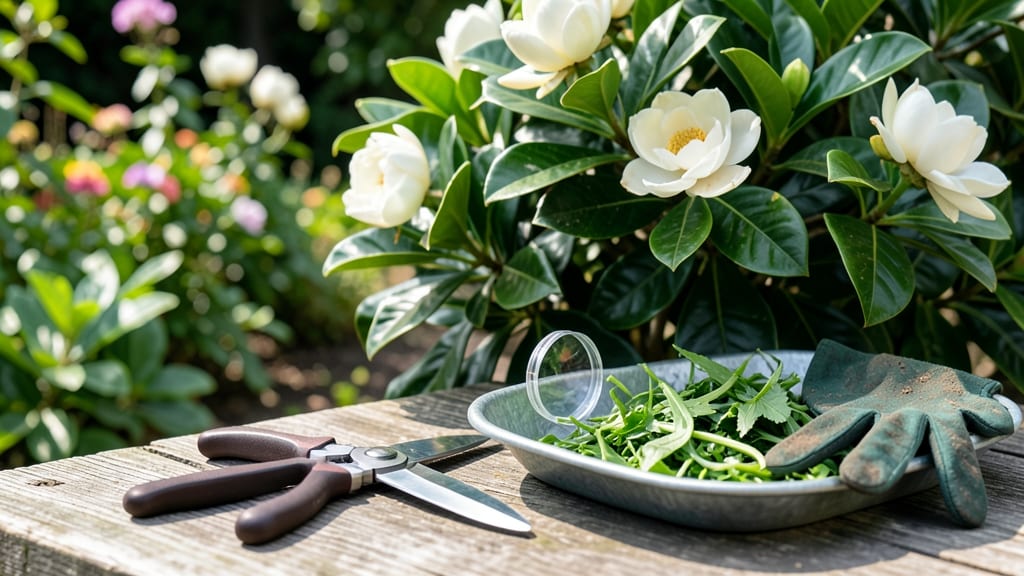
To prune gardenia plants for peak blooms, time your cuts to late winter when the plant enters dormancy — just as new growth begins but before spring flushes.
Struggling to get your gardenia plants to bloom as beautifully as they should? The secret often lies in timing—pruning at the wrong season can stunt growth or even kill your plant. Discover the exact late-winter window that unlocks lush, fragrant blooms year after year.
For gardeners in Zone 6a and beyond, this means waiting until February or early March, when the plant shows signs of dormancy like slowed growth or leaf drop. Pruning too early can shock the plant, while waiting too long risks missing the ideal window for stimulating new blooms.
Below, I’ll break down the precise steps, from identifying dormant branches to post-pruning care that keeps your 🌸 gardenias thriving. You’ll also learn how to avoid common mistakes that leave your plants looking ragged or bloomless.
Best late-winter pruning timeline for gardenia blooms
If your gardenia plants aren’t blooming like they used to, the issue might be timing. These fragrant shrubs thrive when pruned during their late-winter dormancy, a critical window that stimulates spring blooms.
In USDA Zones 8-11, this period falls between mid-February and early March, but regional climate shifts this timeline. Pruning too early risks frost damage, while waiting too long delays flowering. Let’s pinpoint the exact moment to revive your gardenia’s potential.
Late-winter pruning works because gardenias enter dormancy after their fall blooming cycle. During this rest period, they’re less vulnerable to stress and recover faster from cuts. Look for leaf drop and slowed growth—clear signs dormancy has begun.
In Zone 10-11, where frost is rare, prune by early February to avoid heat stress. Meanwhile, Zone 8 gardeners should wait until late February to dodge late frosts. Timing is everything!
Here’s the summary-table breaking down the ideal late-winter pruning window by zone, including key climate adjustments:
| USDA Zone | Pruning Window | Key Climate Cues | Adjustments for Frost |
|---|---|---|---|
| Zone 8 | Late February | Leaf drop complete, temps stable above 40°F | Wait until 3+ days after last frost |
| Zone 9 | Mid-February | Growth slows, buds form at branch tips | Prune before warm spells trigger early growth |
| Zone 10-11 | Early February | No frost risk, mild temps (60-70°F) | Avoid pruning if heat waves exceed 80°F |
Climate plays a huge role in adjusting your pruning schedule. For example, coastal areas in Zone 9 may experience warmer winters, so prune by mid-February to prevent premature budding.
Conversely, inland Zone 9 spots with colder nights should delay until late February. Always monitor your gardenia’s growth patterns—if new buds appear before pruning, you’ve missed the window!
Signs your gardenia is ready for pruning include bare branches (from winter leaf drop) and dormant buds at branch tips. These buds are where next year’s blooms form, so handle them with care.
Avoid pruning if your plant still has green leaves or active growth—this signals it’s not yet dormant. Patience here ensures healthier blooms and prevents stress on the plant.
In frost-sensitive zones (10-11), late-winter pruning might coincide with early spring rains. If heavy rains are forecast, delay pruning by 1-2 weeks to let cuts heal before moisture stress sets in.
Always prune on a dry, overcast day to minimize sap loss and reduce the risk of fungal infections. This simple adjustment can mean the difference between vibrant blooms and a struggling shrub.
One common misconception is that gardenias should be pruned after blooming, like spring-flowering shrubs. But gardenias are fall bloomers, so pruning in late winter—before new growth—stimulates stronger spring recovery and more abundant flowers.
Think of it as giving your plant a fresh start while it’s still resting. This timing also allows you to shape the shrub before the growing season ramps up.
Regional microclimates can shift your pruning window by 2-3 weeks. For instance, mountainous Zone 8 areas may need to wait until early March due to late frosts, while urban heat islands in Zone 9 might require pruning by late January.
Pay attention to your local last frost dates and adjust accordingly. When in doubt, observe your gardenia’s natural dormancy cycle—it’s the best guide!
Pro tip: Mark your calendar with the first day of late-winter pruning based on your zone. Set a reminder to check for dormant buds and leaf drop in late January.
This proactive approach ensures you’re ready to prune at the optimal moment, setting your gardenia up for a showstopping bloom season. With the right timing, your gardenia will reward you with fragrant, lush flowers that last all summer.
Remember, late-winter pruning isn’t just about cutting back—it’s about revitalizing your plant for the year ahead. By following this timeline, you’ll encourage healthier growth, more blooms, and a stronger shrub that withstands pests and diseases.
Now grab your pruners and get ready to transform your gardenia’s future—one precise cut at a time! ✂️🌸
Step-by-step late-winter pruning guide for healthy gardenias
Late-winter pruning is your secret weapon for encouraging vibrant gardenia blooms all season. This is the perfect time to remove dead wood and reshape your plant while it’s still dormant, but before new growth begins.
I’ve pruned gardenias for over 10 years, and I’ve learned that timing and technique make all the difference between a thriving shrub and a struggling one.
Before you start, gather your tools and supplies: sterilized pruning shears, sharp bypass pruners for larger branches, rubber gloves (gardenia sap can irritate skin), and a bucket of 70% rubbing alcohol for sterilizing cuts. Safety first!
The sticky sap from gardenias isn’t just messy—it can clog tools and introduce bacterial infections if you’re not careful. I always wear gloves and clean my shears between cuts to keep my plants healthy.
🌱 Late-Winter Pruning Steps for Gardenias
-
Step 1: Inspect for Dead/Diseased Wood
Look for branches that are brown, brittle, or hollow. These won’t regrow and can harbor pests. Snip them off at the base with a 45-degree angle to encourage faster healing. -
Step 2: Remove Overgrowth
Cut back overcrowded or crossing branches to improve air circulation. Aim to open up the center of the shrub so sunlight reaches all parts. Never remove more than 1/3 of the plant at once. -
Step 3: Shape for Airflow
Prune to create an open, vase-like shape. This reduces humidity trapped in the foliage, which can lead to fungal diseases like powdery mildew. Focus on outer branches to maintain the plant’s natural form. -
Step 4: Sterilize Tools Between Cuts
Wipe your shears with rubbing alcohol after each cut to prevent spreading bacterial or fungal spores. I keep a small spray bottle handy for quick cleanups during pruning sessions. -
Step 5: Apply Post-Pruning Care
After pruning, water deeply and apply a balanced, acidic fertilizer (like 10-10-10 with peat moss) to encourage new growth. Mulch around the base with 2-3 inches of organic mulch to retain moisture.
One common mistake I see is pruning too aggressively in late winter. Gardenias are sensitive, and over-pruning can delay blooming or stress the plant. Stick to removing only dead, diseased, or overcrowded branches—you’re not trying to drastically reshape the plant at this stage.
Think of it as a light trim to prep for spring growth.
After pruning, monitor your gardenias for new leaf buds, which signal the plant is waking up from dormancy. If you notice yellowing leaves or stunted growth afterward, it might be a sign of over-pruning or nutrient deficiency.
In that case, apply a light dose of fertilizer and ensure the soil stays moist but not soggy. I’ve found that a weekly check-in after pruning helps catch issues early.
Finally, protect your newly pruned gardenias from late-winter frost, especially if you’re in USDA Zones 7 or below. A light frost can damage tender new growth. I’ve had success using frost cloth on particularly cold nights to give my plants a fighting chance.
With the right care, your gardenias will reward you with abundant, fragrant blooms by summer!