
Pruning
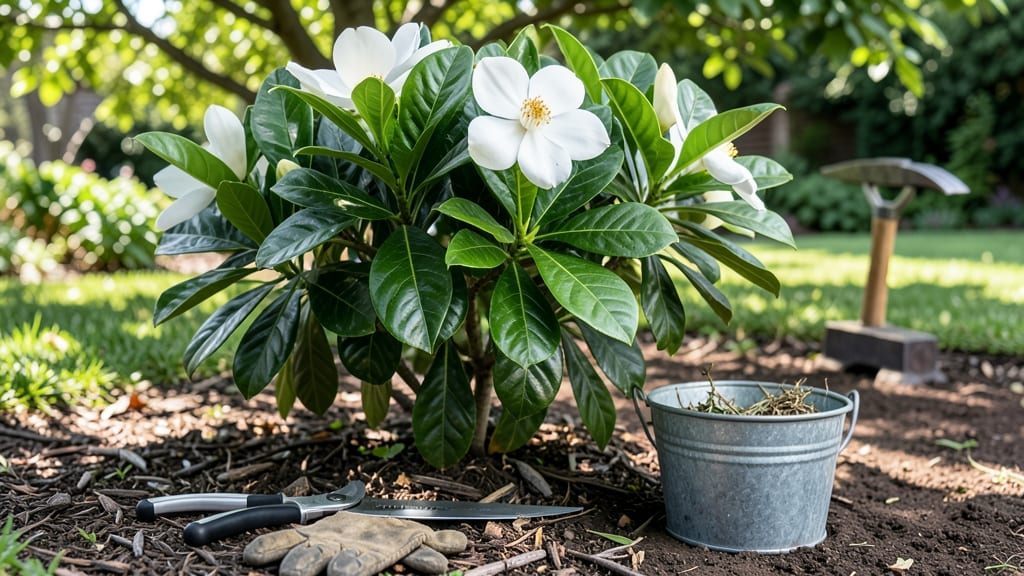
Pruning gardenias in Georgia at the right time ensures fragrant blooms all season long—late winter is the sweet spot before new growth starts.
Picture this: You’ve waited all year for those creamy-white 🌸 blossoms, only to prune too early and watch your gardenia struggle with weak stems or no flowers. Georgia’s humid climate makes timing even trickier, but a 4-week window in late winter holds the key to success.
Why does this matter? Pruning at the wrong time can stress your plant, inviting pests or fungal issues that thrive in Georgia’s damp air. But when you time it just right—before buds form but after the coldest snaps—you’re setting up your gardenia for healthier growth and more blooms next year.
In this guide, I’ll walk you through the exact steps to prune your gardenia in Georgia, from choosing the right tools to avoiding common mistakes that kill blooms. Let’s get those shears ready!
Best late winter pruning window for Georgia gardenias (and why timing matters)
Georgia’s humid subtropical climate creates a delicate balance when pruning gardenias. The 4-week window between mid-February and early March is your sweet spot—just after the winter chill but before spring growth kicks in.
This timing aligns with gardenias’ natural dormancy period, giving you the best chance to shape without shock.
Pruning too early—before late winter’s last frost—can stunt new growth and leave your shrubs vulnerable to cold damage. Georgia’s USDA zones 7b-8b typically see last frost dates around March 15, but microclimates (like mountain regions) may delay frost until April.
Timing matters because gardenias set flower buds in late winter, and aggressive cuts now can sacrifice next year’s blooms.
Key factors for Georgia gardeners include: - Bud formation (buds form in late winter for spring blooms) - Frost risk (avoid pruning 2 weeks before last frost) - Humidity levels (high moisture = higher fungal risk post-pruning)
| Pruning Window | Georgia Microclimate | Bud Stage | Risk Level | Action |
|---|---|---|---|---|
| Mid-February | Coastal (Zone 8b) | Dormant (no buds) | Low | ✅ Safe to prune |
| Late February | Piedmont (Zone 7b-8a) | Early bud swell | Medium | ⚠️ Light pruning only |
| Early March | Mountain (Zone 7a) | Bud formation | High | ❌ Avoid heavy cuts |
| Mid-March | All regions | Active growth | Critical | ❌ Too late—wait until next year |
In coastal Georgia (like Savannah or Tybee Island), where winters are milder, you can start pruning as early as mid-February. These areas rarely see frost after January, so gardenias remain dormant longer.
In contrast, northern Georgia (e.g., Dahlonega or Blue Ridge) requires waiting until early March to avoid late frost damage.
Your pruning goal is to remove dead or crossing branches while preserving next year’s blooms. Gardenias bloom on new wood, so focus on shaping rather than shearing.
Cut just above a leaf node or outward-facing bud to encourage airflow and sunlight penetration, which is critical in Georgia’s humidity to prevent powdery mildew.
Pro tip: Check for bud swell before pruning. If you see tiny green bumps on stems, those are future blooms—avoid cutting there. Use a sharp, sterilized bypass pruner to make clean cuts at a 45-degree angle.
Dull tools crush stems, inviting disease in Georgia’s damp air.
After pruning, apply a 2-inch layer of mulch around the base to retain moisture and regulate soil temperature. Gardenias thrive in acidic, well-draining soil (pH 5.0-6.5), so add pine bark mulch or composted leaves to maintain ideal conditions.
Water deeply but infrequently—1-2 gallons per plant—to encourage deep root growth before spring’s heat arrives.
If you miss this window, don’t panic. Light pruning can still be done in late spring (after blooms fade), but you’ll sacrifice some flowers that season. The late winter window is your best shot for maximizing blooms while keeping your gardenias healthy and stress-free.
Remember: Patience is key. Gardenias reward gentle care with abundant, fragrant blooms—just don’t rush the process. With the right timing, your Georgia gardenias will thrive for years to come. 🌸✂️
Step-by-step late winter pruning guide: tools, cuts, and aftercare for Georgia’s heat
Late winter is the perfect time to prune your Georgia gardenias—just before new growth begins but after frost risks pass. This 4-week window (mid-February to early March) aligns with your plant’s natural cycle, ensuring vibrant blooms without stress.
The key? Precision cuts and post-pruning care tailored to Georgia’s humid heat. Let’s break it down step by step.
Start by gathering the right tools: bypass pruners for clean cuts, sterilized shears to prevent disease, and sharp loppers for thicker branches. Avoid dull tools, which crush stems and invite fungal infections.
Georgia’s humidity means cleanliness is critical—wipe blades with rubbing alcohol before and after pruning. Pro tip: Wear gloves—gardenias have sap that can irritate skin.
Scan your gardenia for brown, brittle branches or crossing stems. These compete for nutrients and reduce airflow, inviting pests. Mark them with a flagging tape for easy removal.
Make cuts 45 degrees above a bud or leaf node, slanting away from the bud. This directs water runoff and prevents rot. For thick branches, cut in two stages to avoid tearing.
Open the center of the plant to improve circulation. Aim for a rounded, vase-like shape—this reduces humidity buildup and prevents fungal diseases like powdery mildew, common in Georgia’s climate.
Wipe blades with 70% isopropyl alcohol after every 3–4 cuts. This stops spread of pathogens like anthracnose, which thrives in Georgia’s damp springs. Keep a small bottle handy!
Water deeply but lightly for 2 weeks post-pruning to reduce stress. Avoid heavy mulch near stems—use 2–3 inches of pine bark around the base to retain moisture without suffocating roots.
After pruning, monitor for stress signs like yellowing leaves or drooping branches. If you see these, reduce watering slightly and apply a balanced fertilizer (10-10-10) in 4–6 weeks to support new growth. Georgia’s spring heat can be brutal, so provide afternoon shade with a lightweight shade cloth if needed.
Remember: Never deadhead gardenias—this removes next year’s flower buds! Instead, wait until after blooms fade naturally to trim spent flowers. This one simple rule keeps your gardenias bursting with fragrance year after year.
With the right cuts and care, your gardenias will thank you with lush, fragrant blooms by summer.