
Tools
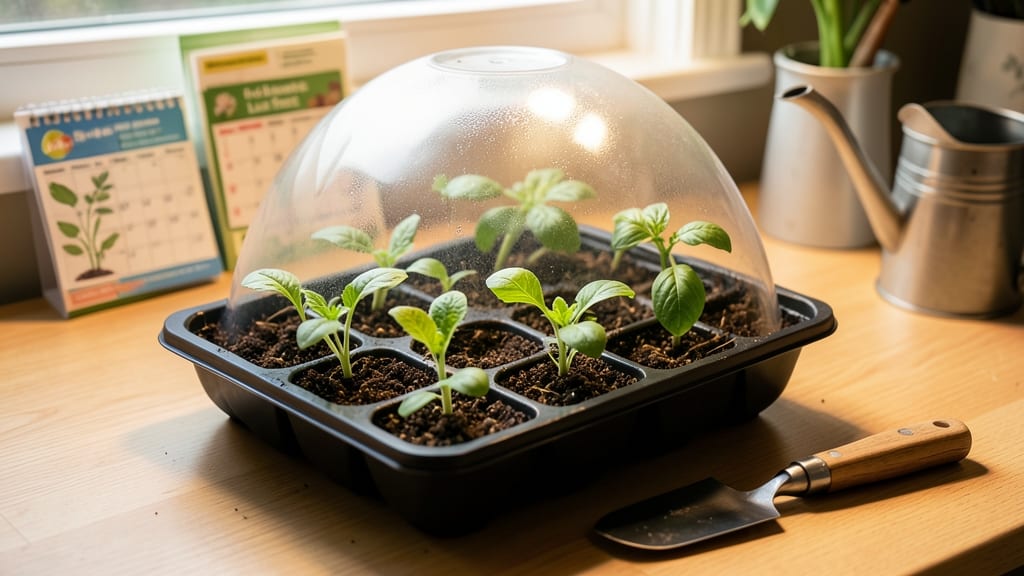
Starting garden seeds at the wrong time can turn your green thumb into a wasted effort—whether you end up with leggy seedlings or bolted greens before they mature.
Timing your 🌱 General Garden Seeds depends on more than just the calendar; it’s about reading your local last frost date, the plant’s days-to-maturity, and even the quirks of your microclimate.
For example, in USDA Zone 6a, a March start might be perfect for lettuce but a death sentence for tomatoes.
This guide breaks down the exact windows for each crop, from cool-season favorites to heat-lovers, so you can avoid the 5 biggest timing mistakes that sabotage seedlings before they even reach the garden.
You’ll learn how to calculate your frost-free days, adjust for early starts or succession planting, and even salvage late begins—because sometimes, life (and weather) throws curveballs.
How to calculate your last frost date and seed starting timeline
Getting your seed starting timeline right means the difference between a lush garden and wasted effort. The first step is pinpointing your last frost date, which tells you when it's safe to move seedlings outdoors. Without this, even the hardiest plants can suffer from unexpected cold snaps.
Your last frost date varies by region—some areas in Zone 10 might never experience frost, while Zone 3 gardeners could face late frosts into June. Start by checking your USDA Hardiness Zone (find yours via the [USDA Plant Hardiness Zone Map](https://planthardiness.ars.usda.gov/) for precise data.
Once you know your zone, adjust for microclimates—areas near water, hills, or urban heat islands can have earlier last frosts or later first frosts than official records. For example, a valley might frost 2 weeks earlier than the surrounding plains.
Next, use a seed-starting timeline calculator (like the one from Johnny’s Selected Seeds or Burpee) to input your last frost date. These tools account for each plant’s days to maturity and transplant shock period, giving you exact start dates for indoor seeds.
For cool-season crops like kale or spinach, you can sow directly after your last frost. But warm-season crops like tomatoes or peppers need 6-8 weeks of indoor growing time before transplanting after frost risk passes.
Pro tip: Add a 1-2 week buffer to your timeline for unexpected delays—seedlings can languish if temperatures drop unexpectedly. Use row covers or cold frames to extend your growing season if needed.
Here’s a quick reference for common seed-starting windows based on frost dates:
For example, if your last frost date is May 1, start tomatoes indoors on March 1 (12 weeks before frost) to transplant seedlings by May 15. Adjust for slow growers like eggplants by starting them 2 weeks earlier.
Don’t forget to account for succession planting—fast-growing crops like bush beans can be sown every 2 weeks for a continuous harvest. Use a garden journal to track your frost dates and seed-starting success each year.
Finally, monitor local weather forecasts in early spring. A late frost can delay planting by 2-3 weeks, so stay flexible. With the right timeline, you’ll avoid the heartbreak of seedlings killed by cold—or worse, plants that bolt before you can harvest.
Seed starting times by crop type: fast vs. slow-growing plants
Not all garden seeds need the same starting window—some like lettuce and radishes grow so fast you can sow them directly after your last frost, while others like tomatoes and peppers require an early indoor head start.
The key is matching your days-to-maturity with your local frost-free timeline. For example, in Zone 5, I start tomatoes indoors 8 weeks before the last frost, but bush beans wait until 2 weeks after.
Your last frost date is the foundation, but plant hardiness and seed packet instructions are just as critical. Cool-season crops like kale or spinach can handle light frosts, while cucumbers and eggplants bolt if exposed to chilly nights.
Even within the same category, fast-maturing varieties (like cherry tomatoes) can be started later than their slower-growing cousins.
Indoor vs. outdoor starting also shifts based on crop type. Delicate seedlings like basil or petunias need indoor protection until soil warms to 60°F+, while carrots or peas thrive when sown directly into cool, moist soil. My rule of thumb? Start heat-loving plants indoors 6-10 weeks before frost, and cool-season crops 4-6 weeks before—or directly outdoors after frost.
| Crop Type | Days to Maturity | Indoor Start (Weeks Before Last Frost) | Outdoor Start (After Last Frost) | Notes |
|---|---|---|---|---|
| Fast-Growing (30-60 days) | 30-60 days | 0-2 weeks (direct sow after frost) | 2-4 weeks after last frost | Examples: radishes, lettuce, spinach, bush beans |
| Medium-Growing (60-90 days) | 60-90 days | 4-6 weeks before last frost | 4-6 weeks after last frost | Examples: carrots, peas, kale, broccoli |
| Slow-Growing (90+ days) | 90+ days | 6-10 weeks before last frost | Not recommended (too slow for outdoor start) | Examples: tomatoes, peppers, eggplants, cucumbers |
| Herbs (Varies) | 30-120 days | 4-8 weeks before last frost (indoors) | After frost (hardy herbs) or 60°F+ soil (tender herbs) | Examples: basil (indoors), parsley (outdoors), cilantro (cool weather) |
| Flowers (Varies) | 45-120 days | 6-10 weeks before last frost (tender) | After frost (hardy annuals) | Examples: petunias (indoors), marigolds (outdoors), pansies (cool weather) |
Adjust timelines 1-2 weeks earlier for early spring starts or later for late frost zones.
Regional adjustments matter—if you’re in a late-spring frost zone (like Zone 3), I recommend starting slow-growing plants like tomatoes indoors by March 1st to ensure they’re ready by Memorial Day.
Conversely, in Zone 10, you might direct-sow warm-season crops as early as February since frost is rare. Always check your local frost dates and cross-reference with seed packet recommendations.
For succession planting, fast growers like radishes or lettuce can be sown every 2-3 weeks all season long, while slow growers like cabbage or brussels sprouts benefit from a single early start.
Pro tip: Use a seed-starting calendar to track your planting windows—I mark mine with colored flags for cool crops (blue), warm crops (red), and herbs (green).
Remember, soil temperature is just as important as air temperature. Use a soil thermometer to confirm 50°F+ for cool crops and 60°F+ for warm crops before planting outdoors.
For container gardening, I add a heat mat to speed up germination for slow starters like peppers or eggplants—this shaves off critical 1-2 weeks of waiting.