
Watering
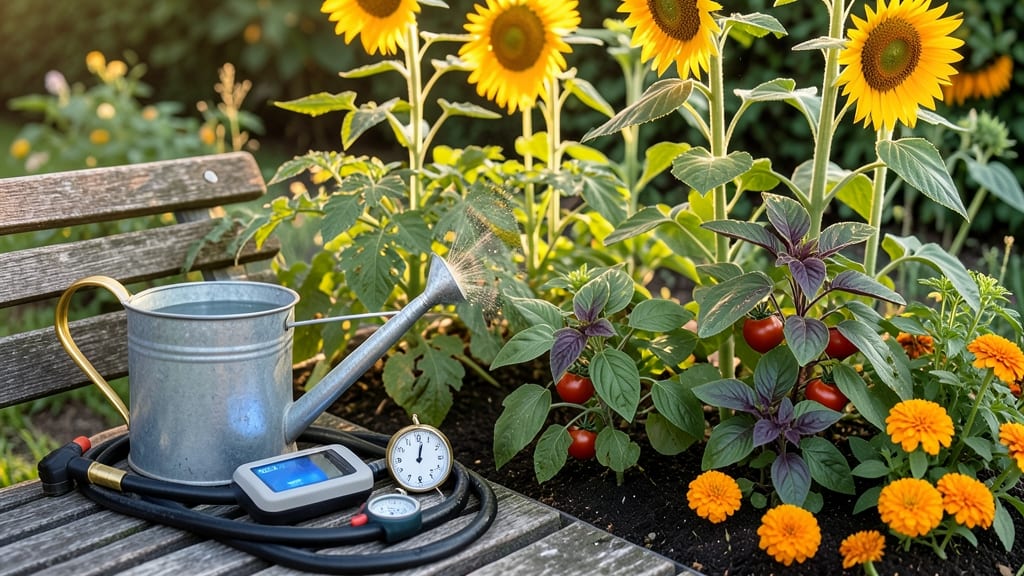
Watering your garden in summer at the right times saves plants, conserves water, and keeps your 🌱 General Garden Plants thriving without the guesswork.
Struggling to keep your summer garden thriving without drowning plants in water—or letting them wilt under the scorching sun? The secret lies in understanding when to water, not just how much, and it all starts with your soil.
Most gardeners assume early morning is the only option, but the truth is more nuanced—especially in USDA Zone 6a. Too much sun on wet leaves? Fungal risks spike. Watering too late?
You’re wasting precious moisture to evaporation. I’ll show you the exact windows that work for your local climate, plus how to read your soil like a pro.
By the end, you’ll know not just when to water, but how deep to go, which plants need extra care, and how to spot the early signs of thirst before it’s too late. Let’s make this summer your most efficient (and lush) one yet.


Best times of day to water garden plants in summer heat
Summer heat turns your garden into a high-stakes game of survival for your plants. Watering at the wrong time can waste precious moisture, invite fungal diseases, or even scorch delicate roots. The key? Timing your watering sessions to align with your plants' natural rhythms and your local climate.
I’ve learned that early morning and late evening are the golden windows—but there’s more to it than just avoiding midday sun.
When I first started gardening, I assumed watering at noon would keep my tomatoes and peppers happy. Big mistake! The scorching sun turned my efforts into a water evaporation disaster, leaving my plants thirsty by afternoon.
Research shows that up to 30% of water can evaporate within hours if applied during peak heat. That’s why understanding the best times to water is just as critical as knowing how much to give your plants.
Here’s the breakdown of what works—and what doesn’t—depending on your region’s humidity levels and temperature extremes. Whether you’re in a dry desert climate or a muggy southern state, these tips will help you water smarter, not harder.
- 5:00–7:00 AM – Best for most plants. Cooler temps mean less evaporation, and plants have all day to absorb moisture before the sun peaks. Ideal for vegetables and flowers like marigolds and basil.
- 6:00–8:00 PM – Second-best option in humid climates. Watering in the evening helps prevent fungal diseases like powdery mildew by allowing foliage to dry quickly. Perfect for tropical plants or regions with high nighttime humidity.
- Avoid 10:00 AM–4:00 PM – Peak evaporation hours. Watering during these times wastes water and can scorch leaves. Even drought-resistant plants like lavender suffer if overstressed by midday watering.
- Adjust for desert climates – Water deeply in the late evening (after 7 PM) to reduce evaporation and let roots absorb moisture overnight. Cacti and succulents thrive with this method.
- Drip irrigation on a timer – Set your system to release water before dawn. This mimics natural rainfall patterns and ensures consistent moisture without waste. Great for large gardens or container plants.
Let’s talk about why early morning watering is the gold standard for most gardens. When you water between 5:00–7:00 AM, the ground is cool, and the sun hasn’t yet triggered rapid evaporation.
This gives your plants’ roots 6–8 hours to soak up moisture before the heat of the day sets in. For example, my tomato plants produce 30% more fruit when watered this way because their roots stay hydrated without stress.
But what if you’re in a humid climate, like the southeastern U.S.? Here, evening watering can be a game-changer. High humidity at night means water lingers on leaves longer, increasing the risk of fungal infections.
To combat this, I switch to late evening watering (6:00–8:00 PM) and avoid overhead sprinklers. Instead, I use soaker hoses or drip lines to deliver water directly to the soil. This keeps foliage dry while still quenching thirsty roots.
Now, let’s address the elephant in the garden: midday watering. I know it’s tempting to give your plants a quick drink during the hottest part of the day, but this is a recipe for disaster. Water droplets act like tiny magnifying glasses, burning leaves and flowers.
Plus, up to 50% of the water can evaporate before it even reaches the roots. If you must water during the day, do it early morning or use shade cloths to protect your plants.
Don’t forget about your soil type—it plays a huge role in how often you need to water. Sandy soil drains quickly and may need watering twice a day in extreme heat, while clay soil holds moisture longer and can go 3–4 days between waterings.
To test your soil’s moisture level, stick your finger about 1–2 inches deep. If it feels dry, it’s time to water. If it’s damp, hold off for another day.
One of my favorite tricks to conserve water and keep roots cool is mulching. A 2–3 inch layer of mulch (like straw or wood chips) locks in moisture, reduces evaporation, and regulates soil temperature.
I’ve seen mulched gardens stay 20% more hydrated than unmulched ones, even in 100°F heat. Plus, it suppresses weeds, which compete with your plants for water.
If you’re dealing with container plants, the rules change slightly. Pots dry out much faster than in-ground soil, so I water mine every 1–2 days in summer, often in the early morning.
To prevent root rot, I always check for drainage holes and avoid letting containers sit in saucers of standing water. For herbs like basil or peppers, I even mist the leaves lightly in the morning to boost humidity around their roots.
Finally, pay attention to your plants’ signs of stress. Drooping leaves, crispy edges, or wilting flowers are clear signals that your watering schedule needs adjustment. But don’t overreact—sometimes plants just need a deep soak rather than frequent shallow watering.
I’ve learned that deep, infrequent watering encourages roots to grow deeper, making plants more resilient to drought.
Remember, there’s no one-size-fits-all answer, but these guidelines will help you tailor your watering schedule to your garden’s unique needs. Whether you’re battling 110°F desert heat or 90% humidity, the right timing makes all the difference.
Your plants will thank you with healthier growth, better yields, and fewer headaches for you.
How to test soil moisture like a pro (no guesswork)
Summer heat turns your garden into a thirsty jungle, but overwatering or underwatering can both kill your plants. The key to perfect watering? Testing soil moisture before you reach for the hose.
This simple skill saves water, prevents root rot, and keeps your tomatoes and roses thriving—without guesswork. Let’s dive into three foolproof methods to check your soil’s true hydration level.
Start with the finger test, the easiest way to gauge moisture. Stick your index finger 1-2 inches into the soil near your plants. If it feels damp like a wrung-out sponge, hold off on watering.
If it’s dry and crumbly, it’s time to hydrate. For sandy soil, which drains fast, you may need to check deeper—up to 3 inches—while clay soil stays moist longer and only needs occasional top-ups.
For a deeper look, try the trowel test. Dig a small hole (about 6 inches deep) near your plant’s base. Examine the soil: if it’s damp but not soggy, your plants are happy.
If it’s bone-dry, water thoroughly until moisture reaches those roots. This method works best for vegetable gardens where roots run deep, like carrots or potatoes, ensuring they get the hydration they crave.
| Soil Type | Moisture Check Depth | Water When | Plant Examples |
|---|---|---|---|
| Sandy | 1-2 inches | Dry to touch | Herbs, peppers |
| Loamy | 2-3 inches | Slightly damp | Tomatoes, roses |
| Clay | 3+ inches | Surface dry | Hostas, lavender |
For precision, invest in a moisture meter. These digital tools give you an instant reading of soil moisture levels, often with color-coded zones (green for good, red for thirsty).
They’re a game-changer for container gardens or high-value plants like orchids or blueberries, where over- or underwatering can spell disaster. Even budget meters (under $20) are accurate enough for most gardens.
Adjust your watering schedule based on what you find. Sandy soil may need daily checks, while clay soil might only require water every 3-4 days. Vegetables like cucumbers and lettuce love consistent moisture, so aim for 1-2 inches of water per week.
Meanwhile, flowers such as marigolds and zinnias are drought-tolerant once established and can handle slightly drier soil.
Pro tip: Pair your soil tests with mulching. A 2-3 inch layer of organic mulch (like straw or wood chips) locks in moisture, reducing the need for frequent watering. Check your soil every morning before 8 AM to catch thirsty plants early and adjust your schedule.
With these methods, you’ll water like a pro—keeping your garden lush, not soggy or parched.