
Watering
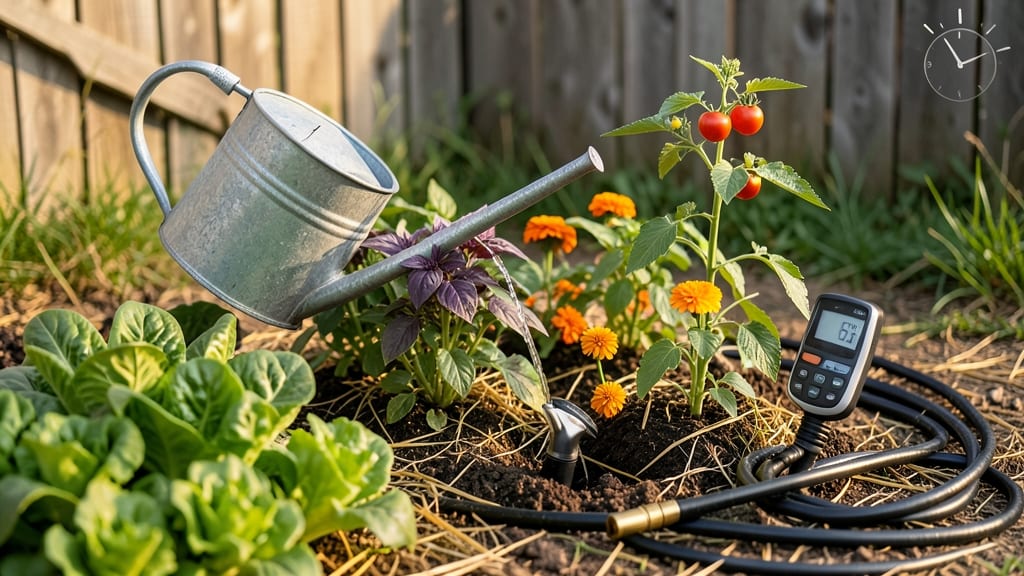
The best time to water your garden is early morning, when cooler temperatures and still air help roots absorb moisture efficiently.
Picture this: you’re out at dawn, the air crisp and quiet, and your garden is soaking up water just as the sun begins to rise. This isn’t just luck—it’s science.
Watering then slashes evaporation by up to 30%, keeps fungal diseases at bay, and ensures your plants grow stronger, not just survive.
But timing isn’t the only factor. Soil type, plant needs, and even your local climate play a role. Sandy soil drains fast, while clay holds moisture longer—so your watering schedule should adapt.
And let’s be honest: no one wants to waste gallons of water because they watered at the wrong hour.
In this guide, I’ll break down the exact morning window that works for your garden, how to adjust for heatwaves or rain, and the one mistake even experienced gardeners make.
By the end, you’ll know precisely when to turn that hose on for a garden that thrives without a drop of waste.
Why morning watering boosts root growth and cuts water waste
If you've ever wondered why your tomatoes or herbs struggle despite regular watering, the answer might be as simple as when you water them. Morning watering isn't just a gardening myth—it's a science-backed strategy that maximizes plant health while minimizing waste.
Studies show plants absorb 30% more water in the morning due to cooler temperatures and lower evaporation rates.
When you water in the early hours, you're essentially giving your plants a head start for the day. The soil stays moist longer, roots grow deeper in search of water, and your garden thrives with less effort.
Plus, you'll save gallons of water that would otherwise evaporate under the midday sun or pool on leaves overnight.
But here's the catch: not all watering times are equal. While morning watering offers clear advantages, evening or midday watering can actually harm your plants by promoting fungal diseases or wasting precious resources. Let's break down why morning watering works—and how to make the most of it.
| Watering Time | Evaporation Rate | Root Penetration | Disease Risk | Water Waste |
|---|---|---|---|---|
| Early Morning (5-9 AM) | Low (cooler temps) | Deep (encourages growth) | Low (leaves dry quickly) | Minimal (soil retains moisture) |
| Midday (10 AM-3 PM) | High (heat + wind) | Shallow (surface watering) | Moderate (wet leaves) | High (evaporates quickly) |
| Evening (6-9 PM) | Moderate (cooler but humid) | Moderate (roots active) | High (wet leaves overnight) | Moderate (depends on humidity) |
| Best Choice: Early Morning | ||||
The comparison table above reveals why morning watering stands out. With low evaporation and deep root penetration, your plants get the hydration they need without wasting a drop. Plus, the disease risk drops significantly because leaves have time to dry before nightfall, preventing fungal spores from taking hold.
One of the biggest myths in gardening is that watering at night is better because it keeps the soil cool. But here's the truth: wet leaves overnight create the perfect environment for powdery mildew and other fungal infections.
Morning watering gives foliage time to dry, keeping your garden healthy and vibrant.
For container gardens or potted plants, morning watering is even more critical. Smaller pots dry out faster, and watering in the morning ensures roots get consistent moisture without the risk of overwatering. I've seen basil and peppers thrive in containers simply by sticking to a morning routine.
If you're in a hot, dry climate, morning watering becomes even more essential. The USDA suggests watering before 10 AM in arid regions to prevent up to 40% less water loss compared to midday watering.
Even a small change like watering at 6 AM instead of noon can make a huge difference in your water bill and plant health.
Don't forget about mulch—it works hand-in-hand with morning watering. A 2-3 inch layer of mulch helps retain moisture, reducing the need for frequent watering. Together, these two practices create an efficient watering system that saves time, money, and resources while keeping your garden lush.
Start your watering routine before sunrise, and you'll notice a visible difference in just a few weeks. Your plants will grow taller, produce more, and require less maintenance. It's a simple habit that pays off in a thriving garden with minimal effort.
The ideal morning watering schedule by plant type and climate
Timing your morning watering routine isn't just about convenience—it's a game-changer for plant health and water efficiency. Vegetables like tomatoes and peppers thrive with deep watering before 9 AM, while flowers such as roses benefit from early hydration to prevent fungal diseases.
Your climate zone also dictates the perfect schedule: arid regions need pre-dawn watering to minimize evaporation, while humid areas can stretch to 10 AM safely.
Adjusting for drought conditions means watering deeper but less frequently—aim for 1-2 inches per week—while coastal gardens may need shorter, more frequent sessions. Lawns respond best to early morning watering, but avoid over-saturating shallow-rooted plants like lettuce.
Let's break down the ideal routine by plant type and climate to maximize growth while conserving water.
| Plant Type | Climate Zone | Best Watering Time | Frequency | Notes |
|---|---|---|---|---|
| Vegetables (tomatoes, peppers) | Arid (Zone 7-9) | 5-7 AM | Every 2-3 days | Deep watering |
| Flowers (roses, hydrangeas) | Temperate (Zone 4-6) | 6-8 AM | Every 3-4 days | Avoid wetting foliage |
| Lawns (cool-season grasses) | Humid (Zone 8-10) | 7-9 AM | Daily (0.5 inch) | Early morning runoff |
| Herbs (basil, cilantro) | Drought-prone (Zone 5-7) | 4-6 AM | Every 1-2 days | Keep soil moist |
| Trees (fruit, shade) | All climates | 6-8 AM | Weekly (deep soak) | Water at root zone |
For arid climates, focus on deep, infrequent watering early in the morning to encourage deep root growth.
In temperate zones, a 6-8 AM schedule prevents fungal spores from thriving overnight. Humid regions can extend to 10 AM, but avoid watering when rain is forecasted—soil moisture sensors help here. Drought adjustments include mulching to retain moisture and watering only when the top 2 inches of soil feel dry.
Your lawn benefits from early morning watering too, but avoid overwatering—cool-season grasses need 0.5-1 inch per week, while warm-season grasses prefer 1-1.5 inches.
Use a rain gauge to track usage and adjust for heatwaves by watering before 6 AM to reduce evaporation. Container plants dry out faster, so water them daily in summer but reduce to every 2-3 days in cooler months.
Pro tip: Group plants with similar water needs together to streamline your routine. Drip irrigation is ideal for deep watering, while soaker hoses work well for shallow-rooted plants. Always water at the base of plants to avoid wetting leaves, which can lead to powdery mildew.
By tailoring your schedule to plant type and climate, you'll see healthier growth and