
Tools
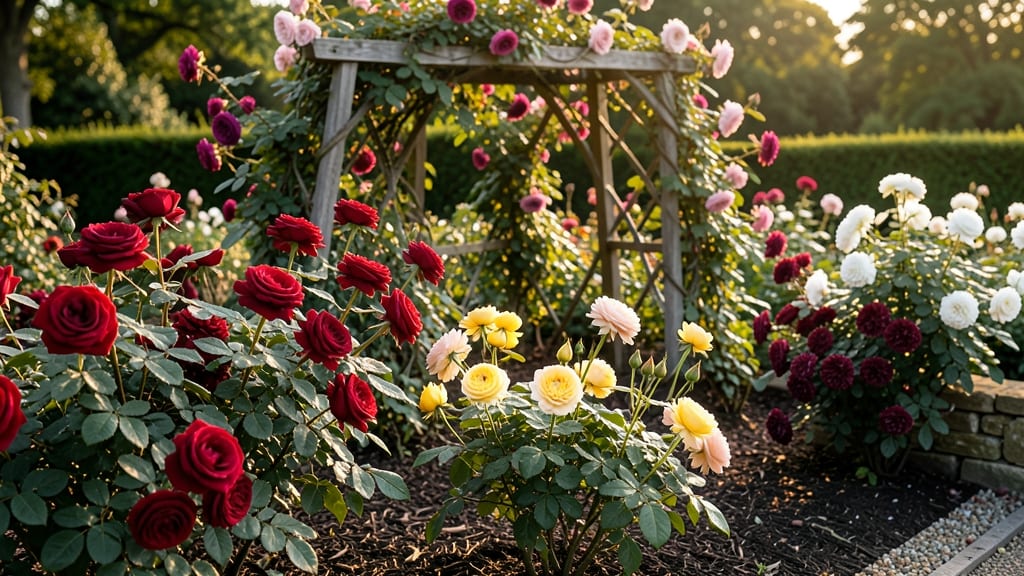
Jacqueline Kennedy created the Rose Garden at the White House in 1961, reviving a long-neglected area into a stunning floral display featuring over 1,000 roses and intricate landscaping designed by Rachel Lambert Mellon and horticulturist Henry Winand.
The Rose Garden's transformation wasn't just about beauty—it was a statement. 🌹 Kennedy wanted to restore the White House's historic charm while making it a symbol of American elegance during the Cold War era. The garden's design drew inspiration from French formal gardens, creating a structured yet inviting space.
Rachel Lambert Mellon, a renowned horticulturist and Kennedy's close friend, selected rare rose varieties that thrived in Washington's climate, while Henry Winand's soil expertise ensured the garden could flourish year-round. This collaboration between art and science turned a simple lawn into one of the most photographed gardens in the world.
The project's success also reflected Kennedy's personal passion for horticulture. She famously said, "Gardens are not made by singing to roses. They are made by working in the soil, by getting our hands dirty, and by sweating for our joy."
This hands-on approach became the hallmark of the Rose Garden's creation, blending political symbolism with personal dedication.
💡 In This Article
- Jacqueline Kennedy’s Vision for the White House Rose Garden
- Key Designers: Rachel Lambert Mellon and Henry Winand’s Contributions
Jacqueline Kennedy’s vision for the White House rose garden
The Rose Garden’s creation was more than a floral upgrade—it was a deliberate cultural and political statement.
Kennedy, an avid gardener, saw the neglected lawn as a symbol of America’s potential for renewal during the early 1960s. She wanted to restore the White House’s historic elegance while creating a space that reflected modern American sophistication. 🌹 The garden’s design drew direct inspiration from French formal gardens, particularly the structured layouts of Versailles, but adapted them to Washington’s climate and the White House’s practical needs.
Kennedy’s vision extended beyond aesthetics. She believed the garden could serve as a backdrop for international diplomacy, hosting state dinners and press conferences that showcased America’s refined culture.
The project became a personal mission—she famously rolled up her sleeves to dig in the soil alongside her team, embodying her philosophy that "gardens are made by getting our hands dirty."
This hands-on approach was unusual for a First Lady at the time and set a precedent for future White House gardening initiatives.
The timing of the garden’s creation was strategic. In 1961, as the Cold War intensified, Kennedy sought to project an image of American grace and stability.
The Rose Garden, with its meticulously pruned roses and symmetrical design, became a visual counterpoint to the political tensions of the era. 🌿 The garden’s opening in 1962 coincided with the White House’s centennial celebrations, further cementing its place in American history as both a horticultural achievement and a political statement.
What made Kennedy’s approach unique was her insistence on blending historical restoration with modern techniques. She worked closely with Rachel Lambert Mellon and Henry Winand to select rose varieties that could thrive in Washington’s unpredictable climate.
Unlike traditional White House gardens that relied on seasonal flowers, Kennedy’s design incorporated evergreen shrubs and hardy roses to ensure year-round visual appeal—a radical departure from previous landscaping efforts.
The garden’s layout wasn’t arbitrary either. Mellon and Winand positioned the roses in concentric circles, creating a sense of depth and movement that guided visitors’ eyes toward the center.
This French-inspired geometry was balanced with native American plants, like viburnum and hydrangeas, to create a harmonious blend of old-world elegance and local character. 🌸 The result was a space that felt both timeless and distinctly American—a testament to Kennedy’s ability to merge personal passion with national symbolism.
Perhaps most surprisingly, Kennedy’s involvement extended to the garden’s maintenance. She insisted on regular pruning and seasonal rotations to keep the roses in peak condition, a level of detail rarely seen in presidential gardens. This meticulous care ensured the garden remained a vibrant centerpiece throughout her husband’s presidency and beyond.