
Tools
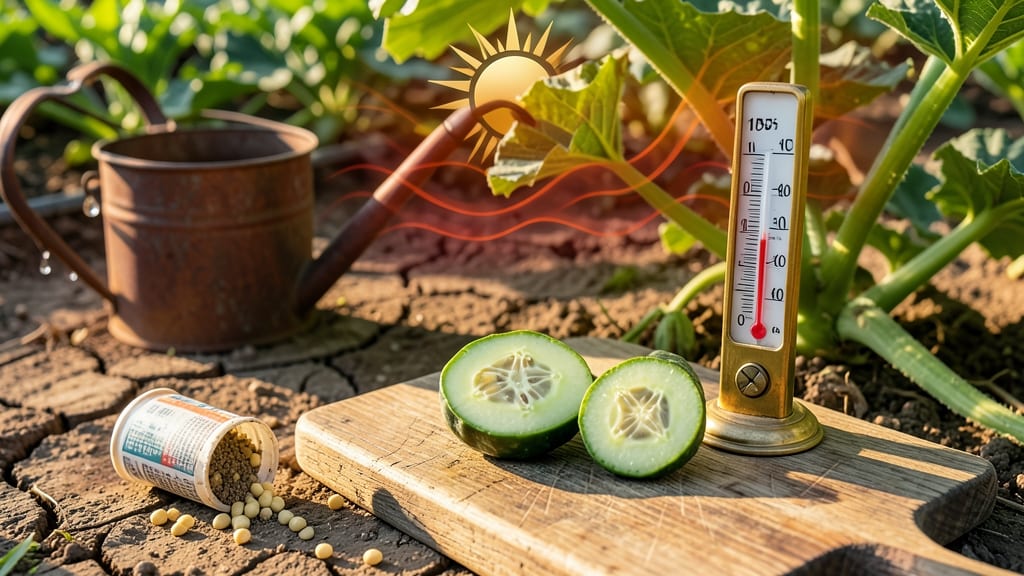
Your garden cucumbers taste bitter because they’re overripe, stressed from heat or drought, or starving for nutrients—three fixable problems that turn a disappointing harvest into sweet, crisp rewards.
Picture this: you’ve been waiting all summer for that first crunch of a homegrown 🥒, only to bite into a mouthful of bitterness that ruins the whole meal.
It’s frustrating, but the good news? The solution is faster than you’d expect—often just a matter of adjusting when you pick them or how often you water.
Overripe cucumbers develop harsh flavors as they convert sugars into starches, while extreme heat or inconsistent watering triggers stress compounds. Even nutrient imbalances in the soil can shift the flavor profile. The key is catching these issues early and making small, targeted changes to restore that garden-fresh sweetness.
In this guide, you’ll learn the three fastest fixes—harvesting at the perfect stage, optimizing watering schedules, and tweaking soil nutrients—to turn your bitter cucumbers into the crisp, mild treats you planted for. Let’s get started.
3 Common reasons your garden cucumbers taste bitter (and how to fix them)
There's nothing worse than slicing into a cucumber you grew yourself, only to find it packed with bitterness instead of crisp sweetness. The good news? This common issue almost always stems from a few key problems you can fix quickly.
From overripe cucumbers to stress signals like uneven watering or nutrient deficiencies, I've helped countless gardeners turn their bitter harvests into flavorful successes. Let's break down the top causes and actionable solutions to restore that garden-fresh taste you love.
First, let's address the most common culprit: overripe cucumbers. When cucumbers stay on the vine too long, they develop cucurbitacin—a natural compound that creates that unpleasant bitter flavor. This happens when plants aren't harvested frequently enough or when they're allowed to mature past their prime.
The fix is simple but requires consistency: check your plants every 2-3 days and harvest when cucumbers reach 6-8 inches in length, before they develop that yellowing or softening that signals overripeness.
🌱
Harvest at 6-8 inches when skin resists thumb pressure. Check plants daily during peak season.
Provide consistent moisture (1-2 inches/week) and use mulch to retain soil temperature. Avoid watering at night.
Test soil pH (6.0-6.8) and add compost or balanced fertilizer (10-10-10). Avoid excess nitrogen.
Another major trigger for bitterness is environmental stress, particularly from inconsistent watering or extreme heat. Cucumbers are 95% water, so fluctuations in moisture send them into survival mode, producing more of that bitter cucurbitacin.
I've seen this happen most often in summer when temperatures climb above 90°F (32°C). The solution involves both watering adjustments and plant protection.
Water deeply once daily in the morning to keep soil consistently moist, and consider using shade cloth during peak heat hours if your area experiences frequent heatwaves.
Don't overlook the role of soil health in cucumber flavor. Poor nutrient balance—especially deficiencies in magnesium, calcium, or potassium—can lead to bitter-tasting fruits. I recommend starting with a soil test to check pH levels (ideal range: 6.0-6.8) and nutrient availability.
If your soil tests show deficiencies, amend it with compost or a balanced organic fertilizer. For an immediate fix, you can also use Epsom salt (magnesium sulfate) at a rate of 1 tablespoon per plant dissolved in water, applied every 2 weeks during the growing season.
For vining cucumber varieties, proper pruning and training can also prevent bitterness by improving air circulation and reducing stress. Remove any yellow or diseased leaves immediately, and prune back overcrowded vines to allow sunlight to reach the center of the plant.
This not only improves flavor but also reduces the risk of powdery mildew, another common issue that can contribute to bitter-tasting cucumbers. Aim to keep your plants well-aerated while maintaining their natural shape to encourage healthy growth.
One often-overlooked factor is the variety of cucumber you're growing. Some types, like bitter melon varieties or heirloom cucumbers, naturally contain more cucurbitacin. If you're growing these types intentionally, expect a more pronounced bitter flavor and plan to harvest them earlier and more frequently than standard slicing cucumbers.
For the sweetest results, stick with slicing varieties like 'Straight Eight' or 'Marketmore' which are bred for milder flavors when harvested at the right stage.
Let's talk about fertilization mistakes that can sneakily cause bitterness. Too much nitrogen might give you lush green leaves, but it can actually delay fruiting and lead to smaller, more bitter cucumbers. Instead, focus on a balanced fertilizer with equal parts nitrogen, phosphorus, and potassium (like 10-10-10).
Apply it every 4-6 weeks starting when flowers appear, and always water it in thoroughly to prevent root burn. For organic gardeners, fish emulsion or compost tea work wonders for providing a gentle nutrient boost without the risk of over-fertilization.
If you've tried all these fixes and your cucumbers are still bitter, consider whether they're getting enough sunlight. While cucumbers thrive in full sun (6-8+ hours daily), they can develop bitter flavors if they're suddenly shaded or receive inconsistent sunlight.
Pay attention to any nearby structures that might be casting new shadows as your plants grow. If you notice leaves turning yellow or stems becoming weak, it's a sign your cucumbers aren't getting enough light to produce sweet, flavorful fruits.
Remember that prevention is key when it comes to sweet cucumbers. By establishing good habits now—like daily harvesting, consistent watering, and regular soil testing
The first harvest might not be perfect, but with each passing week, your cucumbers will improve in both quantity and quality. Before you know it, you'll be enjoying the sweet, crisp cucumbers you dreamed of growing from your own garden. 🥒
How to harvest cucumbers at the perfect stage for maximum sweetness
Timing your cucumber harvest is the #1 way to avoid that dreaded bitter taste. Cucumbers develop bitterness when left on the vine too long, as they convert sugars into harsh compounds. The key is picking them at the ideal maturity stage—when they're sweet, crisp, and packed with flavor.
This isn't just about size; color, texture, and even the stem's condition all play crucial roles in determining peak harvest time.
Different cucumber varieties also have unique harvesting windows. A slicing cucumber like 'Straight Eight' tastes best at 6-8 inches long, while pickling cucumbers like 'Boston Pickling' should be harvested at 2-3 inches to prevent bitterness.
Understanding these variety-specific cues ensures you're always picking at the perfect moment for maximum sweetness and crunch.
For slicing cucumbers, I always check three things before harvesting: length, color consistency, and skin firmness. A cucumber should be at least 6 inches long and have a deep, even green color.
Gently press the skin—if it gives slightly but doesn't feel mushy, it's ready. The stem end should also turn yellow when you twist it off, signaling maturity.
One trick I swear by is the "thumb test". Run your thumb along the cucumber's length—if the skin resists slightly but doesn't feel rock-hard, it's perfect. Overripe cucumbers will feel soft or spongy, and their seeds will be visible through the skin.
Harvesting at this stage is a surefire way to avoid bitterness and enjoy that crisp, sweet flavor we all love.
Don't forget that frequency matters too. Cucumbers produce continuously, so I harvest every 2-3 days during peak season. This not only prevents bitterness but also encourages your plants to keep producing.
Think of it like pruning—regular harvesting keeps the plant focused on growing new fruit instead of letting old ones overripe.
If you're growing heirloom varieties, pay extra attention to their unique characteristics. Some, like 'Lemon Cucumber,' develop a yellow hue when ripe, while others, like 'Armenian,' grow long and straight. Always check the seed packet for variety-specific harvesting tips to ensure you're picking at the absolute peak of flavor.