
Container Gardens
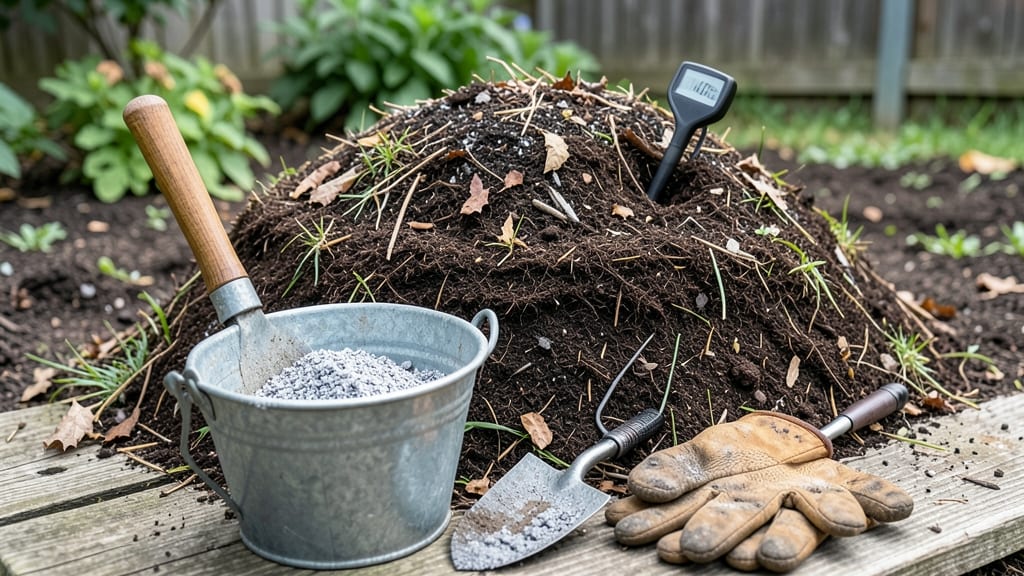
Wood ash in the garden boosts soil pH naturally by introducing alkaline minerals, perfect for acid-loving plants like blueberries and azaleas while supplying potassium for vibrant foliage. Use sparingly—overapplication can throw off nutrient balance or damage sensitive plants.
Wood ash works like a natural soil amendment because it contains calcium carbonate and potassium, both of which help neutralize acidic soil. 🌱 When sprinkled lightly over garden beds, it slowly raises pH levels over time, creating an ideal growing environment for plants that prefer slightly alkaline conditions.
I’ve seen firsthand how a thin layer around blueberry bushes can transform their growth—healthier leaves and bigger harvests come from that simple adjustment.
What’s crucial is understanding the right amount. A general rule is about 1 pound of wood ash per 100 square feet for most gardens, but acid-loving plants may need less. Too much ash can make soil overly alkaline, harming plants that prefer acidic conditions.
Always test your soil first—many local extension offices offer free soil pH testing kits to help you dial in the perfect balance.
💡 In This Article
- How Wood Ash Alters Soil Chemistry and Plant Nutrition
- Best Practices for Applying Wood Ash in Your Garden
How wood ash alters soil chemistry and plant nutrition
Wood ash works its magic through a chemical reaction called neutralization. When burned, wood releases calcium carbonate (limestone) and potassium oxide, both alkaline compounds that react with acidic hydrogen ions in the soil.
This chemical exchange gradually raises the pH level, transforming acidic soil (pH < 6.5) into a more neutral or slightly alkaline environment (pH 6.5-7.5).
For example, blueberry bushes thrive at pH 4.5-5.5, but adding wood ash can push the soil closer to their ideal range when mixed with other amendments like peat moss.
The potassium content in wood ash (typically 1-5% by weight) becomes available to plants over time as it dissolves in soil moisture. This nutrient is crucial for plant energy transfer and water regulation—think of it as the plant's electrical system.
A 1-pound application per 100 square feet can provide about 0.5-1 ounce of potassium oxide, enough to support healthy foliage growth in most garden plants. The calcium from wood ash also strengthens cell walls, improving plant resilience against diseases like blossom end rot in tomatoes.
What's fascinating is how wood ash affects soil structure over time. The fine, gritty particles improve drainage in heavy clay soils while adding organic matter as they decompose. This creates tiny air pockets that help roots breathe better.
I've noticed in my own raised beds that wood ash applications make the soil feel lighter and fluffier after a few weeks—almost like adding a touch of volcanic ash to your garden mix. The long-term benefits include better water retention and microbial activity, which breaks down organic matter more efficiently.
However, the effects aren't instant. Wood ash releases its alkalinity slowly, typically over 3-6 months, depending on rainfall and soil type. Sandy soils show changes faster because water moves through them quickly, while clay soils take longer to adjust.
This gradual process is why gardeners often apply wood ash in early spring or fall, giving it time to integrate before planting season. The key is patience—rushing the application can lead to uneven pH distribution in the root zone.
One common misconception is that all wood ash is created equal. Hardwoods like oak and maple produce ash with higher calcium content, while softwoods like pine contain more potassium. This variation means the exact chemical makeup of your wood ash depends on what you burn.
Always use ash from untreated wood—never pressure-treated lumber, which contains toxic chemicals that can harm plants and soil microbes. The safest option is ash from seasonal hardwood burning, collected in a metal container for easy application.
For container gardeners, wood ash can be particularly valuable. Mixing 1-2 tablespoons per gallon of potting mix helps maintain proper pH levels in acidic soils like those found in many tropical plant mixes. The fine particles distribute evenly, making it easier to control the dosage.
Just remember: containers dry out faster, so wood ash may need to be reapplied more frequently than in ground soil. This precision makes it ideal for microgreens or herb gardens where pH control is critical for optimal growth.