
Tools
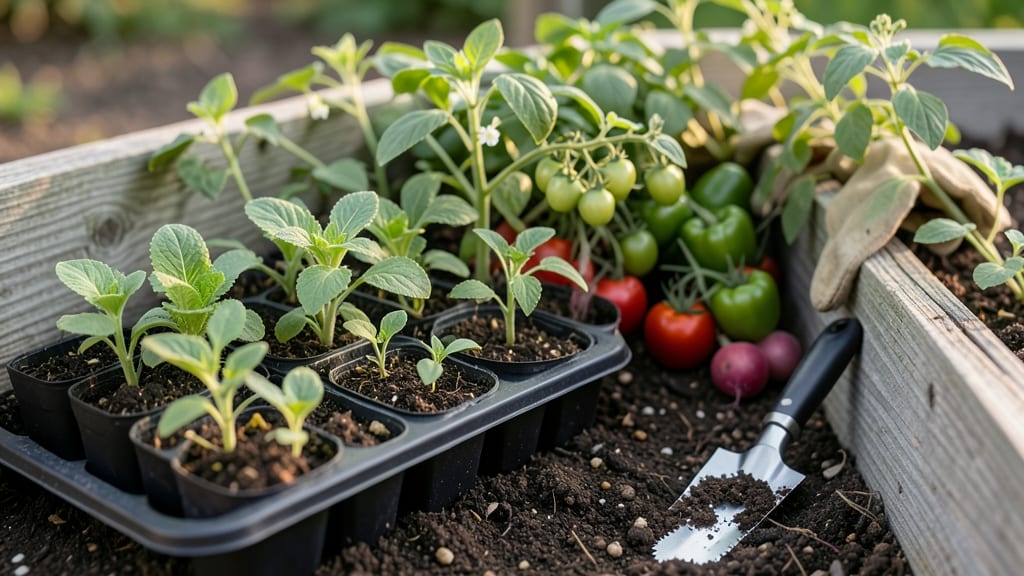
An 8×8 raised garden can pack more productivity into 64 square feet than you’d expect—if you plan it right for your space and goals.
Picture this: a tiny backyard or balcony bursting with fresh herbs, crisp lettuce, and even a few tomato vines—all without sacrificing your patio for a sprawling plot. The secret? Smart spacing, companion planting, and knowing which crops play well together in a compact bed.
Whether you’re a first-time gardener or a space-saving pro, this layout guide will help you maximize every inch of your 8×8 raised garden—from seasonal crop rotations to avoiding common mistakes that waste precious real estate.
By the end, you’ll have a clear plan for organizing your bed, choosing the best plants for your zone, and keeping maintenance simple so you can enjoy the harvest instead of fighting the weeds.
Optimal 8x8 raised garden layouts for high-yield planting
An 8x8 raised garden gives you 64 square feet of prime growing space—perfect for maximizing vegetables, herbs, and flowers in small areas. With the right layout, you can grow 30-50% more than traditional in-ground beds while keeping maintenance simple.
The key? Square-foot gardening and companion planting to pair plants that thrive together.
I’ve designed three high-yield layouts below, each tailored to different gardening goals: maximum vegetables, herb and flower diversity, or a balanced mix. All plans account for plant spacing, sunlight needs, and companion benefits to ensure your garden flourishes without overcrowding.
Let’s dive into the best options for your 8x8 space!
| Layout Type | Primary Focus | Key Crops | Sunlight Needs | Companion Pairings | Yield Potential |
|---|---|---|---|---|---|
| Vegetable Powerhouse | High-calorie veggies | Tomatoes, Peppers, Carrots, Beans, Lettuce | Full sun (6+ hrs) | Basil + Tomatoes, Carrots + Onions | 30-40 lbs/season |
| Herb & Flower Haven | Aromatic & pollinator-friendly | Basil, Cilantro, Marigolds, Nasturtiums, Thyme | Partial sun (4-6 hrs) | Marigolds + Tomatoes, Cilantro + Lettuce | 20+ herb bundles/season |
| Balanced Mix | Year-round harvests | Spinach, Radishes, Strawberries, Green Onions, Chives | Full to partial sun | Strawberries + Borage, Radishes + Carrots | 25+ lbs mixed produce |
For the Vegetable Powerhouse layout, I recommend starting with tomatoes in the center (they need support and space) and surrounding them with basil—a classic companion that repels pests and boosts flavor. In the corners, plant carrots and onions together; they deter each other’s pests naturally.
Leave the edges for lettuce or spinach, which thrive in cooler temperatures and can be harvested early in the season.
If you prefer a herb and flower garden, dedicate one side to perennial herbs like thyme and oregano (they spread slowly and need less maintenance).
Place annual herbs like basil and cilantro near the center where they’ll get morning sun. Marigolds and nasturtiums along the edges act as pest deterrents and add vibrant color—plus, their flowers attract pollinators to boost your veggie yields if you switch layouts later.
The Balanced Mix layout is ideal for succession planting. Start with radishes (they mature in 30 days) in one corner, followed by green onions and spinach in the opposite corner. Plant strawberries along the back edge—they’ll spill slightly but stay contained.
Add chives between rows; they’re hardy, pest-resistant, and add a mild onion flavor to dishes. This setup ensures you’re always harvesting something from spring to fall.
Pro tip: Use stakes or trellises for climbing plants like beans or cucumbers to save ground space. If your bed gets afternoon shade, swap sun-loving peppers for shade-tolerant greens like Swiss chard or kale. Always rotate crops yearly to prevent soil depletion and disease buildup.
To maximize your 8x8 raised garden, group plants by their watering needs too. For example, tomatoes and peppers need deep, infrequent watering, while lettuce and herbs prefer consistent moisture. Consider installing a drip irrigation system to automate this—it saves time and ensures even water distribution.
Finally, don’t forget to leave 2-3 inches of space between rows for easy weeding and harvesting. Mulch with straw or wood chips to retain moisture and suppress weeds. With these layouts, your 8x8 raised garden
Best crops for an 8x8 raised garden by season
A 64-square-foot raised bed is perfect for growing a variety of seasonal crops that thrive in compact spaces. In spring and fall, focus on cool-season vegetables like lettuce and spinach, while summer calls for sun-loving tomatoes and peppers.
Perennial herbs like basil and thyme add year-round interest with minimal space.
Succession planting is key to maximizing your harvest. By staggering plantings every 2-3 weeks, you ensure a continuous supply of fresh produce. For example, sow radishes every 10 days for a steady harvest, while tomatoes and peppers can be transplanted in late spring after the last frost.
Here’s a breakdown of the best crops for each season, including spacing requirements and harvest times to fit your 8x8 raised bed:
For warm-season crops, prioritize tomatoes and peppers in the center of your bed where they’ll receive the most sunlight. Place bush beans or carrots along the edges to maximize space efficiency. Succession plant radishes or lettuce in the spaces left after harvesting early crops like spinach.
Incorporate companion planting to deter pests naturally. For example, basil near tomatoes improves flavor and repels mosquitoes, while carrots and onions planted together reduce aphid infestations. This strategy also creates a diverse and resilient ecosystem in your compact garden.
Plan for fall harvests by sowing cold-hardy crops like kale and spinach in late summer. These plants thrive in cooler temperatures and can often be harvested well into autumn or early winter before the first frost. Mulch heavily to protect roots and extend the growing season.
🌱